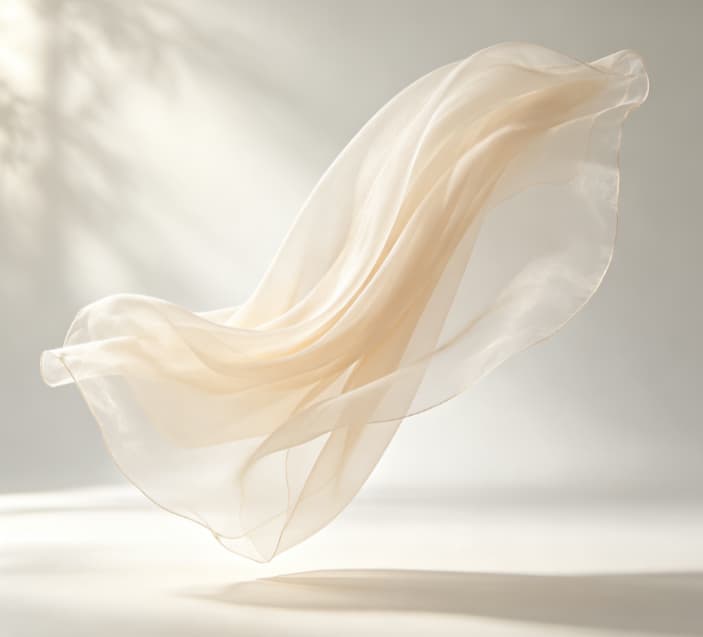
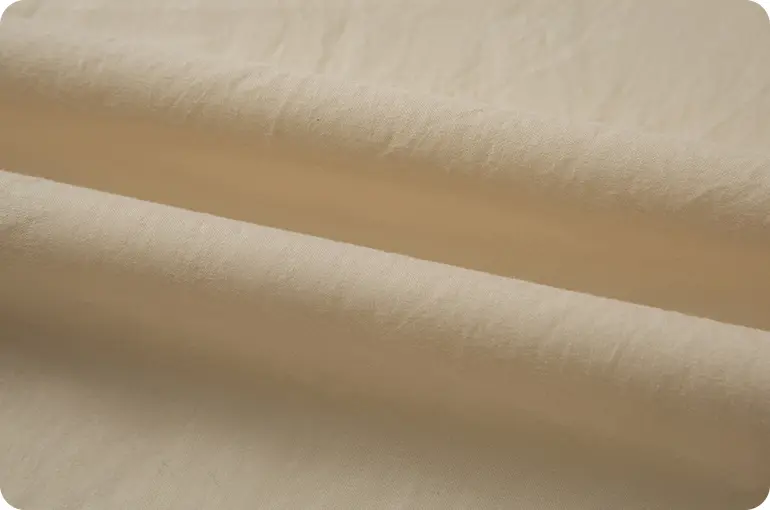
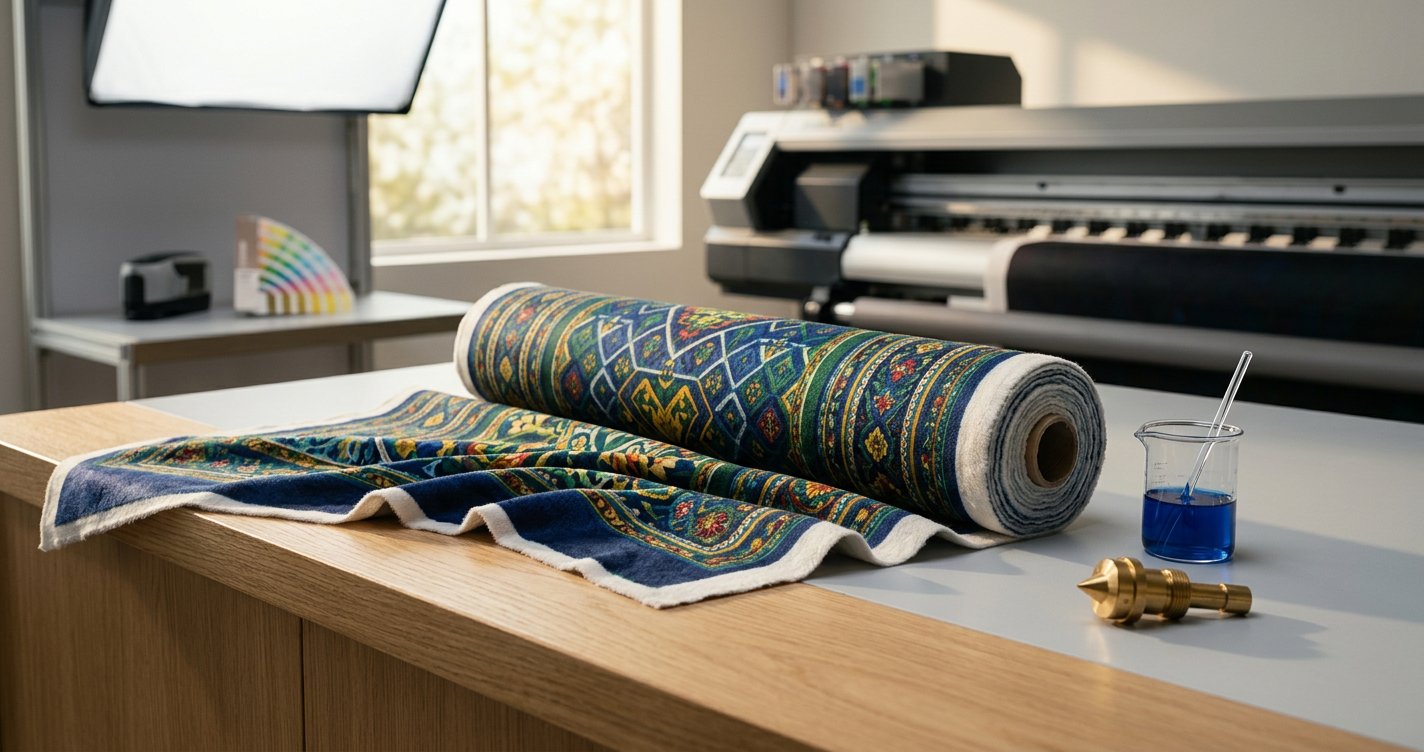
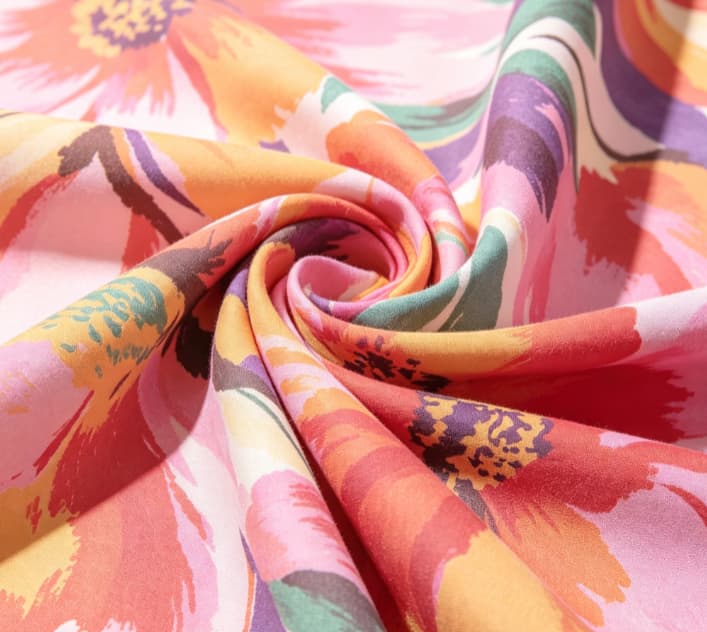
As consumers and manufacturers continue to demand sustainability, comfort, and performance from materials, fabric innovation will be a key defining factor in modern textiles. Of all the myriad blended fabrics available on the market today, TENCEL™ cotton stands out as one of the very few fabrics that combine natural softness with breathability and responsible production practices. Widely used for apparel and home textile applications as well as in performance-oriented garments where comfort levels matter alongside environmental considerations,
This article helps to understand what TENCEL™ cotton fabric is, how it is made, and why it is used. Therefore, designers or buyers can make informed choices about its use in their collection,s while end users also become aware of the added advantages that this fiber brings into any final product. The paper discusses in detail the composition and properties, as well as benefits and applications (including care considerations) of TENCEL™ cotton fabric, thereby giving a holistic view with regard to modern textile production.
Understanding TENCEL™ Cotton Fabric
Definition of TENCEL™ Cotton Fabric
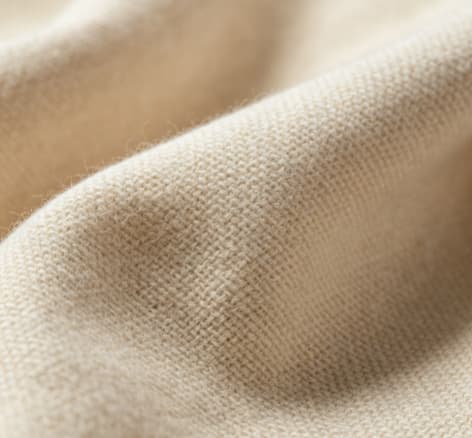
Tencel cotton fabric is a blended textile made by combining TENCEL™ fibers with natural cotton fibers. TENCEL™ is a branded fiber produced from sustainably sourced wood pulp, whereas cotton is the most widely used natural fiber, known for its breathability and softness.
The blend brings together the strengths of both fibers. The fabric carries its smooth texture and moisture management properties in addition to providing better comfort than conventional cotton fabrics.

Why TENCEL™ Cotton Fabric Is Used
The motivation in blending TENCEL™ with cotton is a balancing act between performance and familiarity. Cotton gives that natural, breathable feeling, while TENCEL™ gives enhanced softness, drape, and moisture management.
This makes theTENCEL™ cotton fabric suitable for daily wear, high-end apparel, or textiles meant for sensitive skin or hot climates.
What Is TENCEL™ Fiber
Origin and Raw Materials
TENCEL™ fibers come from renewable wood sources, mainly eucalyptus, beech, or spruce trees. These raw materials are sourced from responsibly managed forests, ensuring long-term ecological balance.
High environmental responsibility is applied in fiber production processes with high process efficiency and recirculation
of used process water, but also due to the specific characteristics of lyocell fiber, as demonstrated in a peer-reviewed LCA
studies.
Fiber Production Process
TENCEL™ fibers are produced in a closed-loop process that reclaims and recovers most of the solvent used in their production. Therefore, waste and emissions can be highly minimized relative to other methods of fiber manufacture.
A top-quality cellulosic fiber having a regular structure is formed as an end product.
Cotton Fiber in Textile Blends
Characteristics of Cotton Fiber
Cotton is valued for its breathability, softness, and comfort. It allows air circulation and absorbs moisture, making it suitable for clothing worn close to the skin.
However, conventional cotton fabrics can sometimes feel stiff, wrinkle easily, or retain moisture for extended periods.
Role of Cotton in TENCEL™ Cotton Fabric
TENCEL™ cotton blend, cotton gives structure and a familiar hand feel. TENCEL™ makes it extra smooth and maintains its moisture regulation property. The blend does not compromise the natural qualities of cotton but enhances the total fabric experience.
The synergy makes the fabric feel light and soft, and gives a refined look.
Key Properties of TENCEL™ Cotton Fabric
Softness and Skin Comfort
One of the most noticeable qualities of TENCEL™ cotton fabric is its exceptional softness. TENCEL™ fibers have a smooth surface structure that reduces friction against the skin.
This makes the fabric particularly suitable for sensitive skin and long-wear garments.
Breathability and Airflow
Both TENCEL™ and cotton are breathable fibers, allowing heat and air to pass through the fabric. The blend supports temperature regulation, keeping the wearer comfortable in various conditions.
Breathability is especially important for warm-weather apparel and layering pieces.
Moisture Management
TENCEL™ fibers are known for their ability to absorb and release moisture efficiently. When blended with cotton, the fabric manages moisture more effectively than standard cotton alone.
This property helps reduce discomfort caused by sweat and supports a dry, fresh feel throughout the day.
Durability and Fabric Performance
Strength and Wear Resistance
TENCEL™ fibers contribute strength and flexibility to the fabric structure. This improves resistance to pilling and wear, extending the lifespan of garments.
TENCEL™ cotton fabric maintains its appearance and feel even after repeated washing.
Shape Retention and Drape
Compared to pure cotton fabrics, TENCEL™ cotton blends often have better drape and shape retention. Garments made from this fabric tend to fall more smoothly and resist stiffness.
This makes the fabric appealing for modern apparel designs that emphasize fluid silhouettes.
Sustainability Aspects of TENCEL™ Cotton Fabric
Responsible Fiber Sourcing
TENCEL™ fibers are produced from renewable wood sources under strict sustainability standards. Responsible forestry practices ensure that raw material sourcing does not contribute to deforestation.
This aligns with the growing demand for environmentally conscious textile materials.
Reduced Environmental Impact
The closed-loop production process for TENCEL™ fibers saves much water and emits very little chemical waste. When blended with cotton, the footprint of the fabric can be lower than that of conventional cotton fabrics.
Most modern brands consider sustainability when selecting materials.
Comparison with Other Fabrics
TENCEL™ Cotton vs 100% Cotton
While 100% cotton fabrics are breathable and natural, they may lack the smoothness and moisture control of TENCEL™ cotton blends. The addition of TENCEL™ enhances comfort and performance without sacrificing cotton’s natural appeal.
This makes the blend suitable for premium everyday wear.
TENCEL™ Cotton vs Synthetic Blends
Synthetic blends often offer durability but may compromise breathability and skin comfort. TENCEL™ cotton fabric provides a natural alternative with enhanced performance and reduced reliance on petroleum-based fibers.
This balance appeals to consumers seeking both comfort and sustainability.
Applications of TENCEL™ Cotton Fabric
Apparel and Clothing
TENCEL™ cotton fabric is widely used in shirts, dresses, t-shirts, loungewear, and casualwear. Its softness and breathability make it ideal for garments worn directly against the skin.
Designers favor this fabric for creating versatile, comfortable clothing.
Home Textiles
In home textiles, TENCEL™ cotton fabric is used for bedding, pillowcases, and lightweight blankets. The fabric’s moisture management and smooth texture enhance sleep comfort.
Its durability also supports frequent washing and long-term use.
Active and Lifestyle Wear
While not classified as technical sportswear, TENCEL™ cotton fabric is often used in lifestyle and light activewear. Its ability to manage moisture and maintain comfort makes it suitable for low-impact activities.
The fabric bridges the gap between casual and performance textiles.
Fabric Care and Maintenance
Washing and Drying Considerations
TENCEL™ cotton fabric is generally easy to care for. Washing in cold or lukewarm water helps preserve fiber integrity and color.
Gentle drying methods reduce the risk of shrinkage and extend garment life.
Long-Term Care Benefits
The fabric’s resistance to pilling and shape loss means garments retain their quality over time. Proper care ensures consistent softness and appearance.
This contributes to the fabric’s long-term value.
Comfort Benefits for Different Skin Types
Suitable for Sensitive Skin
The smooth fiber surface of TENCEL™ reduces irritation, making the fabric suitable for sensitive or allergy-prone skin. Cotton further enhances comfort through natural breathability.
This combination supports all-day wear without discomfort.
Temperature Regulation
TENCEL™ cotton fabric adapts well to changing temperatures. It helps keep the body cool in warm conditions and comfortable in moderate climates.
This versatility supports year-round use.
Manufacturing and Textile Design Considerations
Dyeing and Finishing
TENCEL™ cotton fabric accepts dyes well, resulting in rich, even colors. The smooth fiber surface enhances color vibrancy and finish quality.
This makes it attractive for both minimalist and fashion-forward designs.
Fabric Weight and Weave Options
The blend can be produced in various weights and weaves, from lightweight jerseys to woven shirting fabrics. This flexibility allows manufacturers to tailor the fabric to specific applications.
Design adaptability is a key advantage.
Market Demand and Industry Trends
Growing Interest in Sustainable Fabrics
Consumer awareness of sustainability is driving demand for fabrics like TENCEL™ cotton. Brands increasingly highlight fiber origin and environmental impact as part of their value proposition.
This trend supports continued growth in blended natural fabrics.
Premiumization of Everyday Textiles
TENCEL™ cotton fabric aligns with the trend toward premium everyday essentials. Consumers seek materials that feel luxurious while remaining practical.
The blend meets this demand effectively.
Choosing TENCEL™ Cotton Fabric for Products
Factors to Consider
When selecting TENCEL™ cotton fabric, considerations include blend ratio, fabric weight, and intended use. Different ratios affect softness, durability, and moisture performance.
Understanding these factors helps match the fabric to product requirements.
Matching Fabric to End Use
Lightweight blends are ideal for summer apparel, while heavier constructions suit layering pieces and home textiles. Selecting the appropriate fabric structure enhances product performance.
Careful selection supports better user satisfaction.
Long-Term Value of TENCEL™ Cotton Fabric
Durability and Cost Efficiency
Although TENCEL™ cotton fabric may have a higher initial cost than standard cotton, its durability and comfort provide long-term value. Reduced replacement frequency improves cost efficiency.
This makes it appealing for both consumers and manufacturers.
Timeless Comfort and Versatility
The fabric’s natural feel and modern performance ensure relevance across seasons and fashion cycles. Its versatility supports a wide range of applications.
Timeless qualities contribute to sustained demand.
Conclusion
TENCEL™ cotton fabric is an intelligent combination of natural comfort, modern performance, and responsible production. The softness of TENCEL™, the moisture management properties,s together with the breathability of cotton, make this fabric a fine textile solution suited to present requirements.
An understanding of what TENCEL™ cotton fabric is, and the performance characteristics it displays, helps to underline its value in use across apparel and home textile applications. Sustainability and comfort are driving forces behind new developments in textiles. TENCEL™ cotton fabric is seen as a material suited to the needs of today’s market as well as future markets.、