Abstract
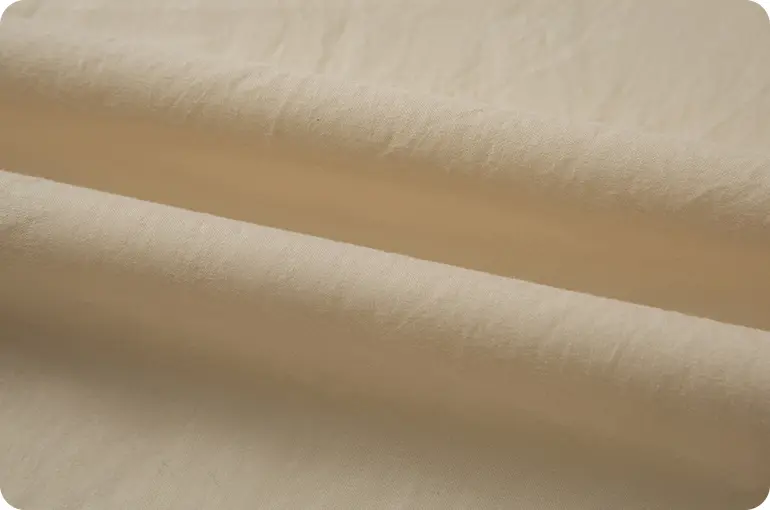
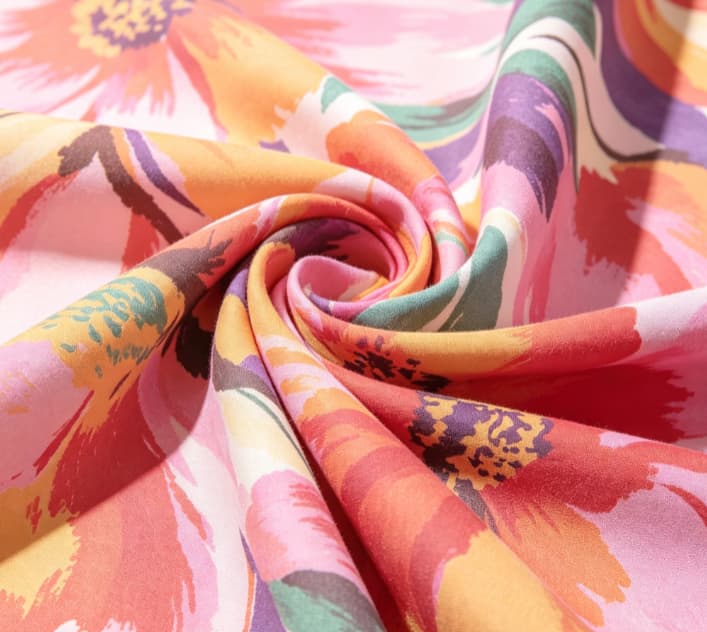
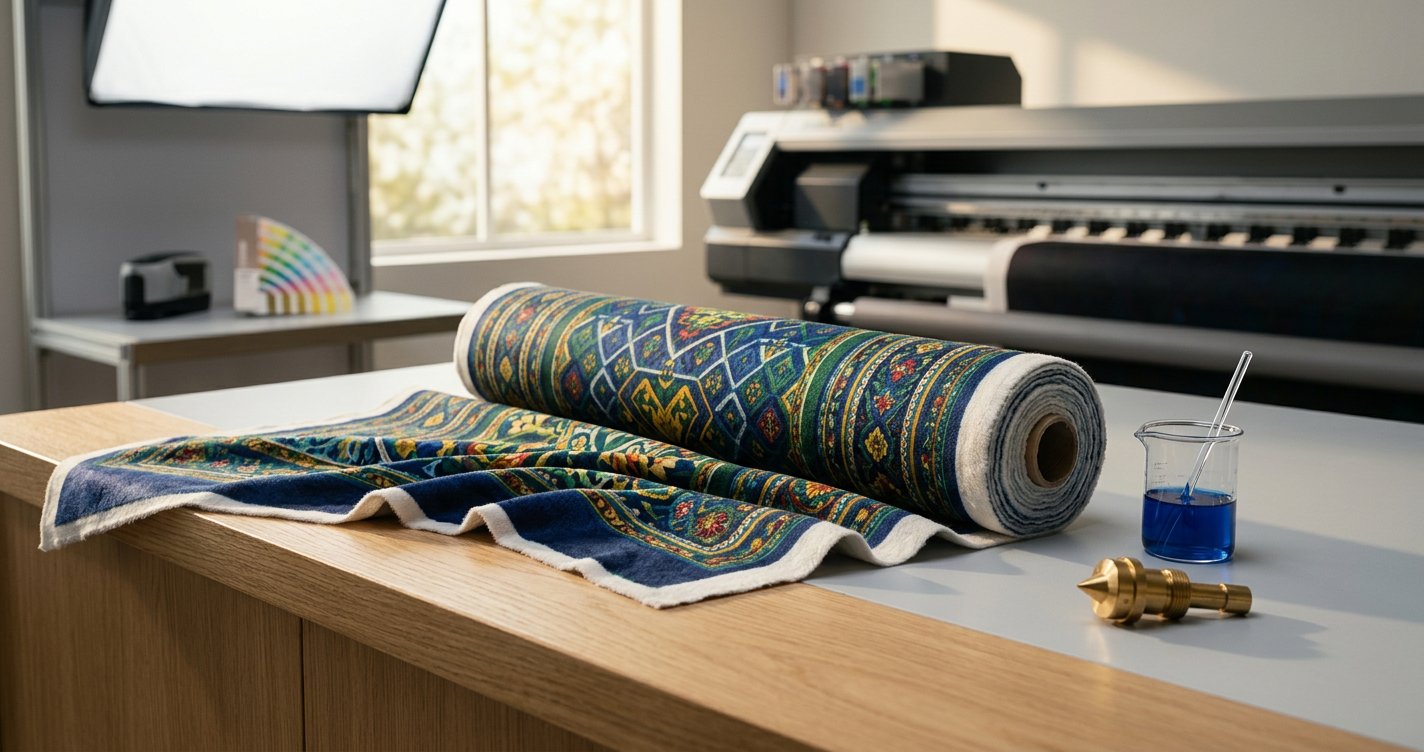
Brushed cotton digital print fabric combines advanced textile engineering with modern inkjet printing technology to deliver vibrant, long-lasting graphics for demanding commercial uses. Unlike traditional printing methods, digital printing on brushed cotton achieves superior color fidelity through precise ink penetration control, reactive dye chemistry, and accurate thermal fixation. This synergy allows the fabric to endure 50+ industrial laundry cycles while maintaining rich, vivid colors — a key requirement for hospitality linens, retail visual merchandising, and branded corporate textiles.
The brushing process significantly modifies the fiber surface, creating micro-anchorage points that improve dye uptake by 18-22% compared to standard cotton fabrics. This article explores the material science, key production parameters, and quality validation protocols that set high-performance digital print fabrics apart from ordinary alternatives.
The Science Behind Color Retention in Digital Printing on Cotton
Fiber Surface Modification Through Brushing
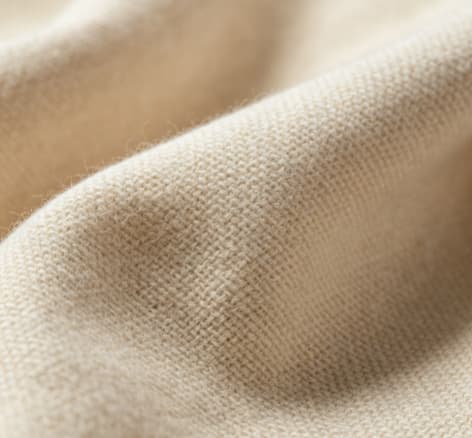
The mechanical brushing process fundamentally alters cotton’s surface architecture at the microscopic level. Industrial brushing machines equipped with wire-covered rotating cylinders raise fiber ends perpendicular to the fabric plane, increasing the effective surface area by 30-40%. This transformation creates two key advantages for brushed cotton digital print fabric: enhanced ink receptivity and stronger mechanical interlocking between dye molecules and cellulose chains.
Standard cotton fabrics have a relatively smooth surface with fibers aligned parallel to the weave. This limits dye molecule access to the hydroxyl groups within the cellulose polymer. Brushing disrupts this alignment, exposing additional reactive sites along fiber sidewalls and forming micro-cavities that trap ink droplets before absorption. Scanning electron microscopy shows that brushed cotton achieves a surface roughness (Ra) of 4.2-5.8 micrometers, compared to just 1.8-2.3 micrometers for unbrushed equivalents.
The raised fiber structure in brushed cotton digital print fabric also acts as a physical barrier against dye migration during fixation. When reactive inks are applied via piezoelectric printheads at resolutions of 1200-2400 dpi, the brushed surface prevents lateral spreading beyond 15 micrometers. This delivers:
- Sharper edge definition for fine typography and smooth gradients
- Up to 60% reduction in color bleeding compared to calendered cotton
- Superior reproduction of complex vector artwork and photographic imagery
Reactive Ink Chemistry and Covalent Bonding
Digital printing on cotton employs reactive dye formulations that form permanent covalent bonds with cellulose molecules through nucleophilic substitution reactions. Unlike pigment-based systems that rely on polymeric binders, reactive dyes chemically integrate into the fiber structure — a fundamental reason for the exceptional durability of brushed cotton digital print fabric.
The reaction mechanism involves two main stages:
- Stage 1: Under alkaline conditions (pH 10.5-11.5) created by sodium carbonate or bicarbonate, the reactive groups (vinyl sulfone and monochlorotriazine) become activated.
- Stage 2: The activated dyes bond with hydroxyl groups (-OH) on cellulose’s anhydroglucose units, forming stable ether linkages that resist pH ranges of 3-11 and temperatures up to 140°C.
This covalent bonding provides measurable performance advantages. ISO 105-C06 wash fastness tests show that reactive-dyed brushed cotton digital print fabric retains 92-96% of original color intensity after 50 cycles at 60°C with ECE detergent (versus 70-78% for pigment-printed alternatives). It also achieves AATCC 8 crocking resistance ratings of Grade 4-5 in both dry and wet conditions.
Engineering Parameters That Define Digital Print Fabric Durability
Pre-Treatment Formulations and Penetration Depth
Pre-treatment chemistry serves as the invisible foundation for color vibrancy in brushed cotton digital print fabric. This aqueous solution, applied at 60-80 g/m² via pad-dry-cure or spray systems, performs three critical functions:
- Controlling ink spread
- Buffering pH for optimal dye reactivity
- Enhancing color yield through improved dye-fiber interaction
Modern pre-treatment formulations contain sodium alginate or synthetic thickeners at 2-5% concentration to regulate penetration velocity. Without this control, inks would wick through the fabric in 0.3-0.5 seconds, causing severe dot gain. Thickeners slow absorption to 1.2-1.8 seconds for better results.
Urea (8-12% by weight) acts as a hygroscopic agent, maintaining 15-20% moisture content during printing. Cross-sectional microscopy confirms reactive dyes penetrate 12-18 micrometers into the fibers of brushed cotton digital print fabric — deep enough to survive abrasion without excessive strike-through. Calcium chloride and sodium bicarbonate optimize pH and ionic strength. The pre-treatment must dry to 4-6% residual moisture; incorrect levels can lead to brittle fabric or printhead clogging.
Heat Fixation Protocols and Colorfastness Standards
Thermal fixation transforms printed reactive dyes into permanent, wash-resistant colorants. Industrial steaming units operate at 102-108°C with 95-100% relative humidity for 8-12 minutes, providing the necessary energy and moisture for complete dye-cellulose bonding while preventing scorching.
Key aspects of the temperature-time profile include:
- Initial heating to 100°C within 90-120 seconds
- Plateau phase achieving 85-90% fixation
- Diminishing returns and risk of hydrolysis if extended beyond 12 minutes
Some manufacturers use superheated steam at 140-180°C for 45-90 seconds in continuous systems to reduce energy consumption.
Post-fixation washing removes unfixed dye, residual alkali, and thickeners through a multi-stage process: cold rinse, hot wash at 95°C with non-ionic detergent, neutralization with acetic acid (pH 5-6), and final cold rinse. Proper washing is essential to maintain high crocking resistance and color yield in brushed cotton digital print fabric.
| Fabric Type | Wash Cycles (ISO 105-C06, 60°C) | Light Fastness (ISO 105-B02, Xenon Arc) | Crocking Resistance (AATCC 8, Dry/Wet) |
|---|---|---|---|
| Brushed Cotton Digital Print (Reactive Dye) | Grade 4-5 (50 cycles) | Grade 6-7 (100 hours) | Grade 4-5 / Grade 4 |
| Standard Cotton Digital Print (Pigment Ink) | Grade 3-4 (50 cycles) | Grade 5-6 (100 hours) | Grade 3-4 / Grade 2-3 |
| Rotary Screen Print (Reactive Dye) | Grade 4 (50 cycles) | Grade 6 (100 hours) | Grade 4 / Grade 3-4 |
| Sublimation Transfer (Polyester Blend) | Grade 5 (50 cycles) | Grade 4-5 (100 hours) | Grade 5 / Grade 4-5 |
Commercial Applications Where Vivid Colors Drive Value
Hospitality and Home Textiles
Hotel chains and institutional laundries require textiles that maintain brand color consistency through 200+ wash cycles over 18- 24month service lives. Brushed cotton digital print fabric perfectly addresses this need in duvet covers, pillow shams, and decorative cushions, where tactile softness and visual impact are equally important.
The fabric’s ability to reproduce Pantone-matched corporate colors with ΔE <2.0 tolerances ensures a hotel group’s signature teal or burgundy appears identical across properties in Singapore, Dubai, and New York.
Industrial laundry processes are far harsher than domestic washing, involving:
- Water temperatures of 75-85°C
- Alkaline detergents (pH 10-11)
- Chlorine bleach concentrations of 50-150 ppm
Brushed cotton digital print fabric formulated with high-reactivity dye systems maintains Grade 4 colorfastness under these conditions, with less than 8% color shift after 50 commercial wash cycles. This durability directly reduces replacement frequency — a 300-room hotel can defer linen purchases by 6-9 months, generating annual savings of $45,000-$68,000 per property.
Additional functional benefits of the brushed surface include:
- Raised fibers create air pockets that improve thermal insulation by 12-15%
- Increased moisture wicking rates by 18-22%, reducing the clammy feel in humid climates or during perspiration
Retail Visual Merchandising and Seasonal Displays
Fashion retailers and pop-up stores increasingly use brushed cotton digital print fabric for window displays, fitting room curtains, and branded environmental graphics that need frequent updates. The digital workflow eliminates expensive screen-making and high minimum orders (typically 500 meters), making short runs of 25-100 meters economical for 4-6 week seasonal campaigns.
Design iteration speed becomes a major competitive advantage. A retailer can approve artwork on Monday, receive printed fabric on Thursday, and install displays by Saturday — a 5-day cycle compared to 3-4 weeks with conventional screen printing. This agility supports test-and-learn strategies based on real customer engagement data.
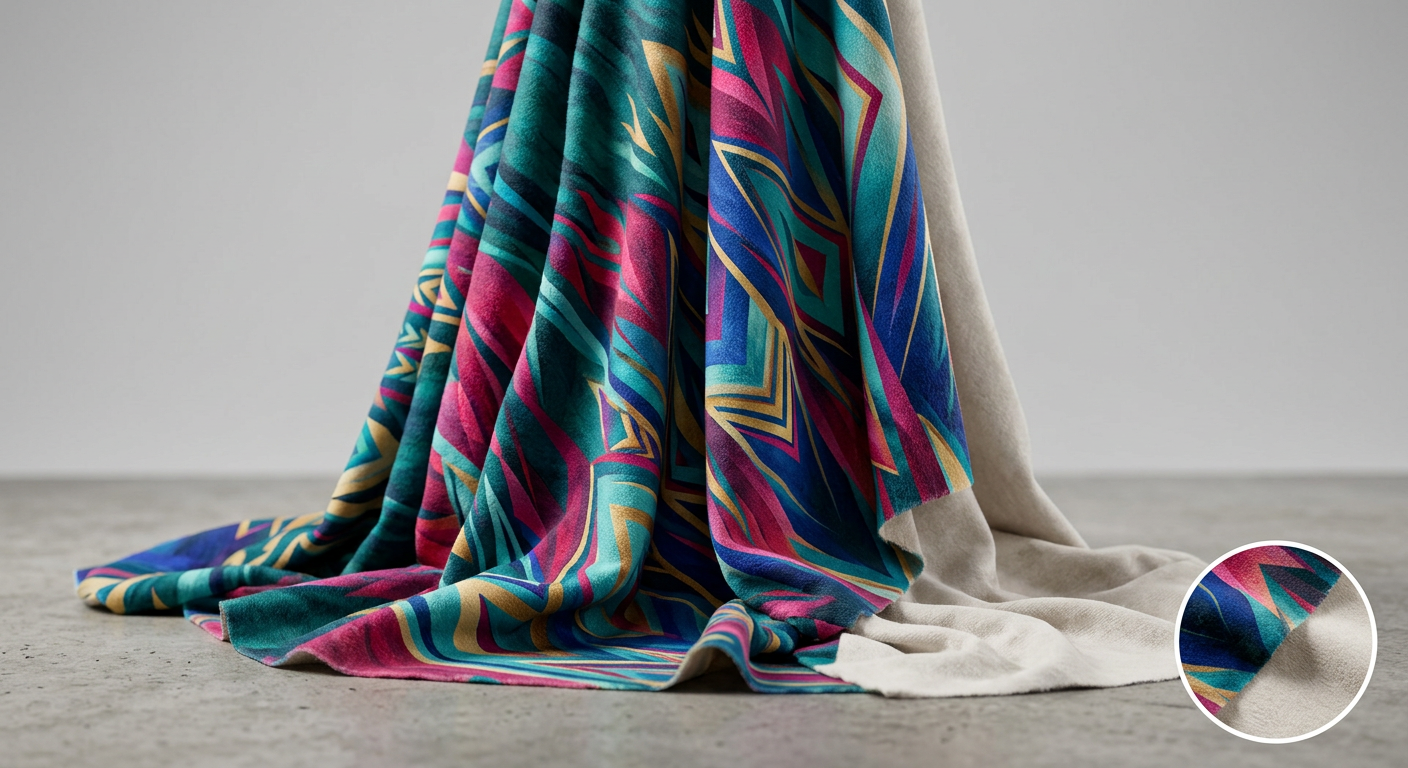
Color vibrancy significantly impacts retail performance. Eye-tracking studies show that saturated, high-contrast graphics hold shopper attention 2.3 times longer. Brushed cotton digital print fabric excels at rendering vibrant magentas, cyans, and oranges with Lab* chroma values exceeding 65, creating the visual “pop” that drives foot traffic and social media sharing.
Quality Control Checkpoints in Production Workflows
Spectrophotometric Color Matching Systems
Inline spectrophotometers integrated into digital printing lines measure reflected light at 10-nanometer intervals across the visible spectrum (400-700 nm). These systems generate real-time colorimetric data and compare output against approved standards using the CIEDE2000 formula, which accounts for human visual perception.
Production-grade spectrophotometers offer ΔE repeatability below 0.15, detecting shifts invisible to the naked eye. When ΔE exceeds tolerances (typically 1.5-2.0 for commercial use and 0.8-1.2 for luxury), the system automatically adjusts ink flow, printhead voltage, or moisture compensation. This closed-loop control reduces batch-to-batch color variance by 65-70% compared to manual assessment.
Brushed cotton digital print fabric with metameric indices below 1.5 maintains a consistent appearance under different lighting conditions (D65 daylight, incandescent A, and fluorescent TL84) — critical for coordinating with walls, furniture, and packaging in brand environments.
Accelerated Aging Tests for Long-Term Performance Prediction
UV exposure chambers with xenon arc lamps simulate two years of outdoor exposure in just 100-200 hours. Test protocols per ISO 105-B02 use 765 W/m² irradiance at 340 nm, 63% relative humidity, and alternating light/dark cycles. Brushed cotton digital print fabric achieving Grade 6-7 ratings shows less than 5% color change after 150 hours, equivalent to 18 months of window display use.
Perspiration testing applies acidic (pH 5.5) and alkaline (pH 8.0) synthetic sweat solutions at 37°C for 4 hours. This identifies bonds vulnerable to hydrolysis. High-performance reactive dyes maintain Grade 4 ratings, with adjacent white cotton staining below Grade 3-4.
Crocking resistance is evaluated using the AATCC 8 method: rubbing white test fabric against samples under 900-gram force for 10 cycles. Brushed cotton digital print fabric typically achieves Grade 4-5 in wet crocking, demonstrating superior fixation compared to lower-grade alternatives that show visible color transfer.
FAQ Module
Q1: What is the minimum order quantity for custom brushed cotton digital print fabric?
Digital printing technology enables economical production starting at 25-50 meters, compared to 500-1000 meter minimums for rotary screen printing. This flexibility stems from the elimination of screen engraving costs ($400-$800 per color) and setup waste (15-25 meters per colorway). For procurement managers testing new designs or serving niche markets, digital workflows reduce inventory risk while maintaining per-meter costs of $8-$15 for standard weight brushed cotton (180-220 gsm) in quantities below 100 meters.
Q2: How does digital printing on cotton compare to rotary screen printing in cost per meter for runs under 500 meters?
Break-even analysis shows digital printing achieves lower total costs for runs under 350-400 meters. At 100-meter quantities, digital costs $10-$13/meter versus $14-$18/meter for rotary screen (including setup amortization). The crossover point occurs at 350-450 meters depending on design complexity—beyond this threshold, rotary screen’s higher throughput (80-120 meters/hour versus 25-40 meters/hour for digital) reduces unit costs to $7-$9/meter. However, digital maintains advantages in color count flexibility (unlimited versus 6-12 screens) and design iteration speed.
Q3: Can brushed cotton fabric withstand chlorine bleach in commercial laundry settings?
Standard reactive dyes exhibit moderate chlorine resistance, tolerating 50-100 ppm concentrations for 50+ cycles with Grade 3-4 colorfastness. For institutional laundries using 150-200 ppm chlorine, specify fiber-reactive dyes with enhanced chlorine fastness (Grade 4-5) or request non-chlorine bleach compatibility testing per AATCC 172. Alternative oxidizing agents like hydrogen peroxide (3-5%) or peracetic acid provide equivalent sanitization with reduced color degradation. Brushed cotton’s fiber structure does not inherently affect chlorine resistance—dye chemistry and fixation quality are the determining factors.
Conclusion
Brushed cotton digital print fabric achieves superior color vibrancy through the engineered convergence of mechanical fiber preparation, reactive dye chemistry, and precision thermal fixation. The brushing process increases dye anchorage sites by 30-40%, while reactive ink formulations create permanent covalent bonds with cellulose that withstand 50+ industrial laundry cycles. Heat fixation protocols at 102-108°C drive dye-fiber reactions to 90% completion, delivering ISO 105-C06 Grade 4-5 wash fastness and AATCC 8 Grade 4-5 crocking resistance.
For procurement managers specifying textiles in hospitality, retail, and branded environments, these technical parameters translate directly to operational value: extended service life, consistent brand color reproduction, and reduced replacement costs. Validate supplier capabilities through third-party colorfastness certifications (Oeko-Tex, TESTEX) and request pre-production strike-offs that replicate your specific substrate weight, weave structure, and end-use conditions. Accelerated aging tests should confirm 2-year performance equivalence in 100-200 hours of xenon arc exposure.
The digital printing workflow’s flexibility—25-meter minimums, unlimited color counts, 5-day turnaround—enables responsive design strategies that conventional methods cannot match. As reactive ink chemistry continues advancing toward improved chlorine resistance and expanded color gamuts, brushed cotton digital print fabric will increasingly displace screen-printed alternatives in applications where tactile quality and visual impact are non-negotiable.