Introduction
Walk into any fabric store or browse textile collections online, and you will quickly notice that cotton digital printed fabric is everywhere. From fashion apparel and home textiles to upholstery and decorative fabrics, its vibrant designs and versatility have made it a popular choice across industries.
But one important question remains: do those brilliant colors actually last? Whether you are a designer, manufacturer, or consumer, nobody wants a beautiful print to fade after only a few washes. Fortunately, advances in digital textile printing have significantly improved color fastness. This article explores how cotton digital printed fabric maintains its color over time, examining the roles of ink technology, fabric pre-treatment, fixation methods, and proper care.
What Makes Cotton Digital Printed Fabric Different from Traditional Printing?
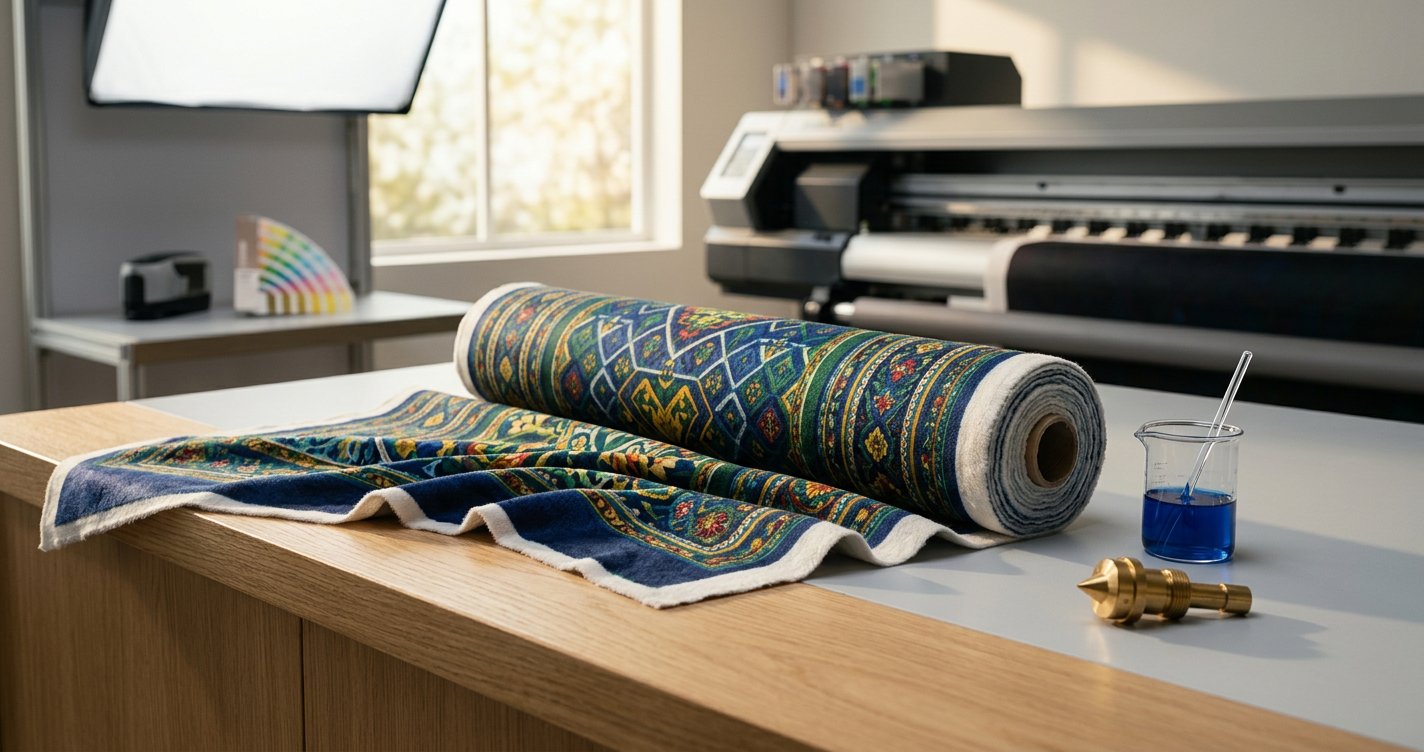
Before diving into color retention, it helps to understand what sets digital printing apart. Traditional screen printing pushes ink through a mesh stencil onto the fabric surface. The ink sits on top, forming a layer that can crack, peel, or wash away over time. Digital printing, by contrast, works more like a high-resolution inkjet printer—tiny droplets of ink are precisely deposited onto the fabric. This method allows for far greater detail and color variation.
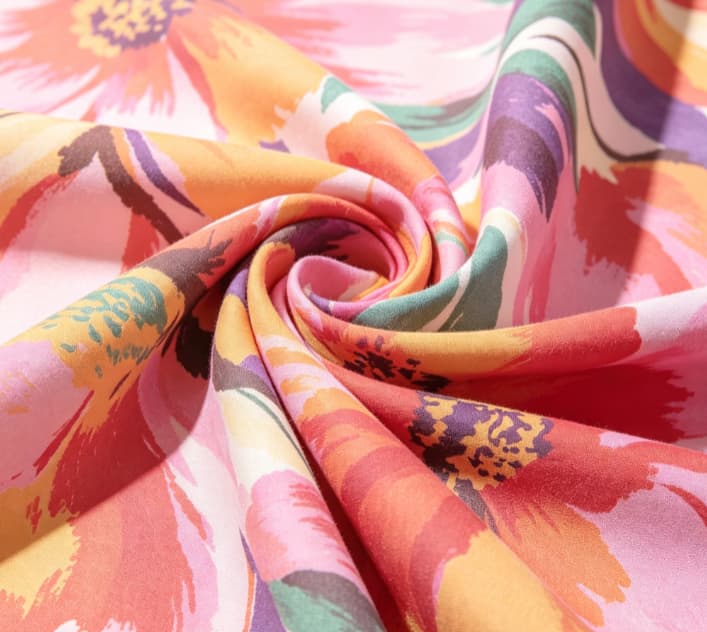
The Dreamscape Collection, for example, achieves a 0.1mm print resolution that captures petal veins, leaf textures, and subtle shadows with stunning realism. But precision alone does not prevent fading. The real secret lies in what happens before, during, and after those ink droplets hit the cotton.
Why Does Color Fade in the First Place?
To understand how digital printing prevents fading, you first need to understand why fading happens. Color degradation in printed cotton fabric comes down to a few culprits:
UV light exposure breaks down the chemical bonds in dye molecules, causing colors to lose intensity. This is why sunlight is the number one enemy of vibrant prints.
Repeated washing gradually strips away dye particles that are not firmly bonded to the cotton fibers. The mechanical action of washing, combined with detergents and temperature, accelerates this process.
Friction and abrasion from everyday wear, rubbing against other surfaces, or even folding and storing can cause surface-level dye particles to wear off.
Chemical reactions with detergents, optical brighteners, or even perspiration can alter dye chemistry and lead to discoloration.
The challenge for any cotton digital printed fabric is addressing all four of these threats simultaneously. No single solution works for everything—it takes a multi-layered approach.
How Ink Chemistry Determines Color Longevity for Cotton Digital Printed Fabric
The type of ink used plays a crucial role in how well a cotton digital printed fabric retains its color over time. In digital textile printing, the two most common options are reactive dyes and pigment inks, each offering distinct advantages in color performance and durability.
Reactive Dyes: The Chemical Bond Approach
Reactive dyes are specifically designed for cotton and other cellulose-based fibers. During fixation, the dye molecules form a chemical bond with the fibers, becoming part of the fabric rather than remaining on the surface. This strong connection helps deliver excellent wash fastness and vibrant color reproduction.
Because reactive printing requires pre-treatment, steaming, and post-washing, the process is more complex than other printing methods. However, advanced reactive dyes can achieve fixation rates above 90%, helping reduce color loss during repeated laundering. This makes them a popular choice for high-end cotton digital printed fabric used in fashion and premium home textiles.
Pigment Inks: The Binder Approach
Pigment inks work differently. Instead of bonding directly with the fibers, pigment particles are secured to the fabric surface through a heat-cured binder. Modern pigment printing technologies provide impressive color durability and resistance to washing and rubbing.
In addition to strong colorfastness, pigment printing offers production advantages because it eliminates the need for steaming and extensive washing. This reduces water consumption, shortens production time, and supports more sustainable manufacturing. With advances in pigment and binder technology, pigment inks have become an increasingly popular option for cotton digital printed fabric, especially when efficiency and environmental performance are important considerations.
Both technologies can deliver excellent color retention when properly applied. The best choice depends on the intended application, production requirements, and performance expectations of the finished cotton digital printed fabric.
Which One Is Better for Color Retention?
| Ink Type | Bonding Method | Color Vibrancy | Wash Fastness | Light Fastness | Production Complexity |
|---|---|---|---|---|---|
| Reactive Dyes | Chemical (covalent) | Excellent | Grade 4-5 | Grade 5 | High (steaming + washing) |
| Pigment Inks | Physical (binder) | Very Good | Grade 4-5 | Grade 6-7 | Low (direct print + cure) |
The choice between these two depends on the application. For high-end fashion where color depth and fabric feel are paramount, reactive dyes often win. For versatility, speed, and sustainability, pigment inks are increasingly popular. Both, however, can deliver outstanding color retention when executed correctly.
The Role of Pre-Treatment in Locking Color in Cotton Digital Printed Fabric
The long-term color performance of cotton digital printed fabric depends not only on the ink itself but also on how the fabric is prepared before printing begins.
Pre-treatment is the process of conditioning raw cotton fabric to receive digital ink. Without it, colors may spread unevenly, lose sharpness, or wash out more easily. Pre-treatment solutions typically contain thickeners, binders, and crosslinking agents that create a controlled absorbent layer on the fabric surface. This helps ink droplets remain precisely where they are deposited rather than migrating along the fibers. Some advanced systems also incorporate plasma treatment, which modifies the fiber surface at a microscopic level to improve ink adhesion and color reproduction.
Research has shown that cotton fabrics treated with plasma and primer coatings can achieve wash fastness ratings of grade 4 or higher, outperforming untreated materials. Another advantage is production consistency—properly pre-treated fabrics can often be stored for extended periods before printing without compromising performance. For manufacturers, this means more reliable results; for end users, it means colors that remain vibrant for longer. As a result, pre-treatment plays a critical role in the durability of cotton digital printed fabric.
Fixation and Curing: Sealing the Color in Place
Once the fabric has been printed, fixation or curing is what transforms the design from a temporary image into a durable, long-lasting print.
For reactive dyes, fixation is achieved through steaming under carefully controlled temperature and humidity conditions. This process activates the chemical bond between the dye and the cotton fibers. After steaming, the fabric is thoroughly washed to remove any unfixed dye particles that could otherwise contribute to fading during future laundering.
For pigment inks, fixation relies on heat curing. The printed fabric passes through a heating process that cross-links the binder and locks pigment particles firmly onto the fabric surface. When properly cured, pigment prints offer excellent resistance to washing, rubbing, and everyday wear. Advanced formulations can achieve color retention rates above 94%, with strong dry and wet rub fastness performance.
Whether using reactive dyes or pigment inks, proper fixation is essential for ensuring that cotton digital printed fabric maintains its appearance through repeated washing and regular use. Even the highest-quality inks depend on effective fixation to deliver lasting color performance.
The Fixation Process at a Glance
Reactive dye fixation: Steaming (controlled time + humidity) → activates chemical bonding → washing removes unfixed dye
Pigment ink fixation: Heat curing → cross-links binder → locks pigment in place → no washing required
Both processes are scientifically engineered to maximize the permanence of the print. A well‑fixed cotton digital printed fabric will survive repeated laundering with minimal colour loss, giving consumers confidence in their purchase.
How Print Resolution and Color Layering Affect Perceived Fading
Color fading is not only about how much dye is lost over time—it is also about how the remaining color is perceived. Higher print resolution and advanced color layering techniques can help designs appear more vibrant and visually consistent, even after repeated use and washing.
For example, high-resolution digital printing can reproduce fine details such as petal veins, leaf textures, and subtle shading with exceptional clarity. When multiple color layers are combined, they create greater visual depth than a flat print surface. This added dimension helps maintain the overall richness of the design, even if minor color changes occur over time.
From a technical standpoint, higher resolution means more ink droplets are deposited within a given area. Improved coverage creates smoother color transitions and more uniform color distribution across the fabric. As a result, a high-resolution cotton digital printed fabric tends to show fading more evenly and less noticeably than lower-resolution alternatives, helping preserve its visual appeal for longer.
What the Data Says About Digital Printing Growth
The rapid growth of digital textile printing reflects increasing demand for high-quality, durable printed fabrics. The global digital textile printing market was valued at approximately $3.56 billion in 2024 and is projected to grow at a CAGR of 18.5% through 2034. Other industry forecasts estimate the market could reach $11.6 billion by 2030.
This growth continues to drive innovation in ink technology, fabric preparation, and fixation processes. As manufacturers invest in more advanced printing systems, the color stability and overall performance of cotton digital printed fabric continue to improve, making it an increasingly attractive option for fashion, home textiles, and other premium applications.
Real-World Scenarios: Where Color Retention Matters Most
Scenario 1: The Fashion Designer
A fashion designer is developing a limited-edition collection featuring floral dresses made from cotton digital printed fabric. Because the garments will be worn outdoors and washed frequently, long-term color retention is essential. By selecting reactive dye printing combined with proper pre-treatment and fixation, the designer achieves vibrant colors that remain attractive season after season. The result is greater customer satisfaction and fewer complaints related to fading.
Scenario 2: The Home Textile Manufacturer
A home textile manufacturer produces printed cotton curtains and cushion covers that are exposed to sunlight every day. To improve lightfastness, the company uses pigment inks formulated with UV-resistant additives. This approach helps maintain color vibrancy over time and ensures that the finished products continue to look appealing even in bright indoor environments. Choosing the right ink system allows their cotton digital printed fabric to deliver long-lasting decorative value.
Scenario 3: The Sportswear Brand
An activewear brand develops printed cotton-blend T-shirts designed to withstand frequent washing and daily wear. By using a pigment ink formulation with strong rub and wash resistance, the prints maintain their appearance even after repeated laundering. This durability makes their cotton digital printed fabric a reliable choice for consumers who expect both performance and style.
How to Care for Cotton Digital Printed Fabric to Maximize Color Life
Even the best cotton digital printed fabric will fade faster if not cared for properly. Here are evidence‑based care practices that extend the life of printed cotton:
Wash in cold water. Studies recommend washing at 40°C (about 104°F) to preserve color integrity. Cold water is even better—it minimises the mechanical and chemical stress on dye molecules.
Avoid detergents with optical brighteners. These chemicals can have an abrasive effect on the pigment layer, accelerating colour loss. Choose mild, colour‑safe detergents instead.
Dry in the shade. Direct sunlight is the fastest route to fading. Air‑dry printed cotton fabrics away from windows or in a shaded area.
Iron on the reverse side. Heat can damage or distort printed surfaces. Ironing on the reverse side—or using a protective cloth between the iron and the printed surface—prevents colour distortion.
Store away from sunlight. Even when not in use, prolonged light exposure can gradually fade colours. Store printed cotton in a cool, dry space away from direct light.
Following these practices can extend the vibrant life of any cotton digital printed fabric by months or even years, ensuring that the initial investment in quality printing continues to pay off.
Common Myths About Digital Print Fading—Debunked
Myth: Digital prints fade faster than screen prints.
Reality: Modern digital printing often outperforms screen printing in color fastness tests. The precision of digital application and advanced ink formulations result in more durable prints.
Myth: All cotton digital printed fabric fades eventually, so it does not matter.
Reality: While all colours fade over time, the rate of fading varies dramatically based on ink type, fixation quality, and care. High‑quality digital prints can maintain their vibrancy for years.
Myth: Pigment inks are inferior to reactive dyes for colour retention.
Reality: Both technologies have strengths. Pigment inks can achieve excellent light fastness (grade 6‑7), while reactive dyes offer superior wash fastness and colour depth. The “best” choice depends on the application, and both produce outstanding cotton digital printed fabric when executed correctly.
Conclusion
Cotton digital printed fabric maintains its vibrant appearance through a combination of advanced ink technology, effective pre-treatment, precise fixation, and high-resolution printing. Whether using reactive dyes that bond with cotton fibers or pigment inks secured by heat-cured binders, modern digital printing delivers excellent colorfastness and durability.
When properly cared for, high-quality cotton digital printed fabric can retain its color through repeated washing and everyday use. Ultimately, the long-term performance of any cotton digital printed fabric depends on the quality of the materials, printing process, and finishing techniques used.
Looking for vibrant, long-lasting printed fabrics for your next collection? Working with an experienced digital printing manufacturer can help ensure consistent quality, reliable color performance, and customized solutions tailored to your design needs.