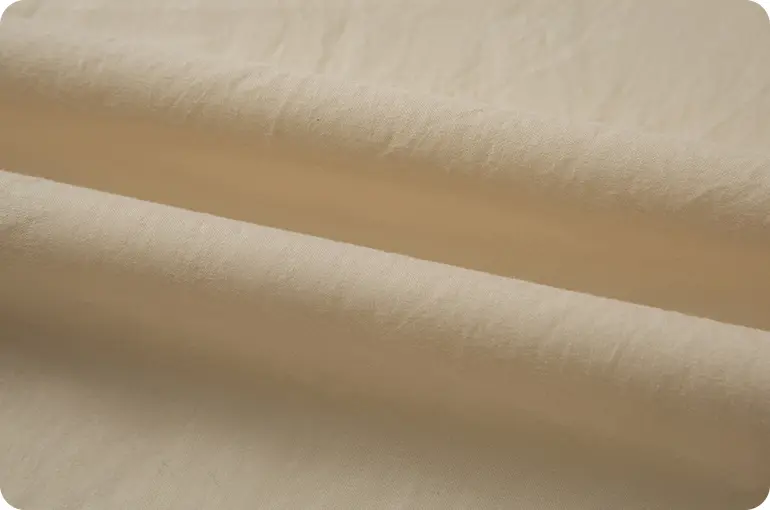
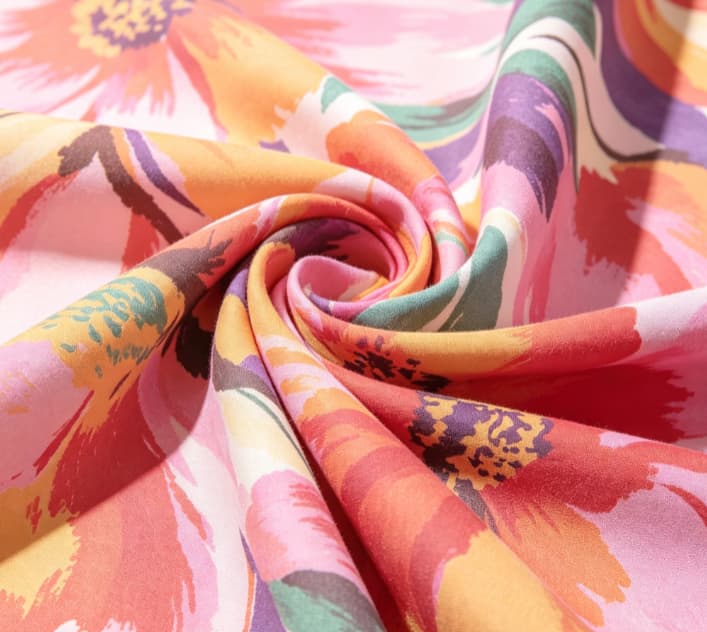
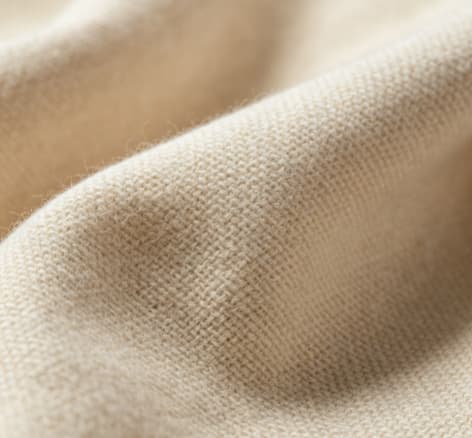
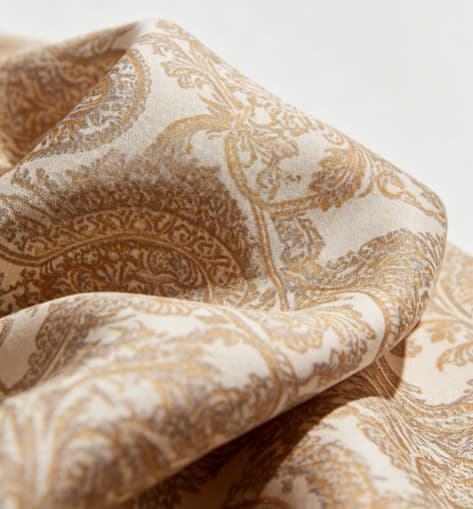
Cotton is one of the most common materials in human history. It’s on the skin every day, is present in nearly every household, and has a significant role in the global textile industry. However, not all cotton is created with the same level of equality. The distinction between common cotton and superior cotton is immediately apparent: softer textures, more breathable fabrics, longer-lasting materials, and a sense of comfort that is greater than the surface.
High-quality cotton is not trending in the world. It’s derived from agricultural decisions, fiber properties, processing methods, ethical concerns, and technological evolution. Understanding the definition of quality cotton helps manufacturers create more effective products, brands can communicate more genuine stories, and consumers can make informed decisions.
The Origins of Cotton and the Early Pursuit of Quality
Cotton has been cultivated for over 7,000 years. Archaeological evidence demonstrates the early utilization of cotton in areas like the Indus Valley, ancient Egypt, and parts of South America. Even in these early cultures, people recognized that certain cotton fibers were superior to others. More durable fibers that were spun more smoothly had a harder time breaking and produced a softer fabric.
The earliest form of quality cotton was characterized by necessity. A fabric that withstood multiple washes, resisted tears, and felt comfortable in hot climates was considered valuable. Over millennia, selective cultivation has led to an increase in the length and consistency of fibers. This centuries-old pursuit of superior cotton began the modern practice of quality cotton.
As global trade increased, the importance of cotton quality increased as well. Merchants, weavers, and tailors all had to rely on dependable fiber quality. The quality of cotton became a global concern, and the industry became more international in scope.
What Does “Quality Cotton” Really Mean?
High-quality cotton is not characterized by a singular trait. It’s derived from multiple connected components that affect the fiber’s performance from field to fabric.
At the fiber level, high-quality cotton is characterized by properties like length, strength, consistency, and hygienic quality. These properties have an effect on the behavior of cotton during processing, including spinning, weaving, knitting, dyeing, and finishing.
At the agricultural level, high-quality cotton is dependent on soil type, climate, seed type, harvesting methods, and farming style. Cotton cultivated in optimal conditions with accurate harvesting promotes the preservation of fiber quality.
At the level of processing, high-quality cotton involves the use of advanced techniques for ginning, spinning, and finalizing that minimize the damage caused by the fibers and maintain the natural softness of the fibers.
At the environmental and ethical levels, quality cotton is increasingly concerned with sustainability, traceability, and responsible labor practices. Today, the concept of quality is expanded to include social and environmental components.
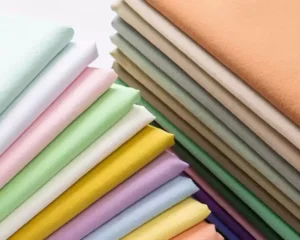
Fiber Characteristics That Define Quality Cotton
The science of cotton fiber elucidates the importance of quality. Each cotton fiber is a natural cellulose chain with a unique set of physical attributes.
The length of fibers, which is often called the staple length, is one of the most important factors in determining the quality of cotton. More durable fibers lead to a smoother fabric with less loose space. This produces fabric that is softer, stronger, and more resistant to pilling. High-end cotton varieties are associated with having long or extra-long staple fibers.
The strength of fibers determines the degree to which cotton is resistant to tension during processing and wear. More powerful fibers result in a more durable fabric that retains its shape and consistency over time.
Fineness is the thickness of each fiber. Small fibers facilitate increased counts of threads without causing the fabric to become stiff or heavy. The quality of cotton is balanced with its strength, which produces lightweight and resilient textiles.
Uniformity is the degree to which fiber length and thickness are consistent across a batch. High uniformity results in even fibers and consistent fabric quality, which is crucial to superior clothing and domestic textiles.
Hygiene, or the lack of dirtiness, is another important factor. Cleaner cotton is more gentle on the skin, which preserves the fiber quality and reduces the amount of chemicals used.
Cotton Varieties Known for High Quality
Not all cotton plants are capable of producing the same type of fabric. Eventually, specific species of cotton and varieties have been associated with superior performance.
Extra-long staple varieties of cotton are often considered the paramount form of quality cotton. Their fibers are exceptionally long, smooth, and strong, which makes them ideal for fabric that is luxurious, high-thread-count sheets, and superior apparel.
Long-staple cotton varieties have a strong combination of cost and performance; they’re commonly used in high-quality everyday clothing and long-lasting home textiles.
Upland cotton is still considered quality cotton when grown and processed in accordance with strict regulations. The improvement of agricultural technology and the selection of fibers have led to an increase in the quality of upland cotton in recent times.
The important takeaway is that quality cotton is not solely dependent on variety, but instead on the way it is cultivated, harvested, and processed.
Cultivation Practices That Influence Cotton Quality
Quality cotton begins in the field. The way cotton is grown has a direct impact on fiber characteristics.
Soil health plays a crucial role. Nutrient-rich, well-drained soil supports steady plant growth, allowing fibers to develop evenly and fully. Poor soil conditions can lead to weak or inconsistent fibers.
Climate is another determining factor. Cotton thrives in warm regions with moderate rainfall. Excessive moisture or drought stress can shorten fiber length and reduce strength.
Harvesting methods also affect quality. Gentle harvesting techniques help preserve fiber length and reduce contamination. Rough handling can damage fibers before they ever reach the mill.
Pest management and chemical use must be carefully controlled. Excessive pesticides can harm fiber development and raise environmental concerns. Many quality-focused producers now adopt integrated pest management or organic practices to protect both fiber quality and ecosystems.
Processing: Preserving Quality from Fiber to Fabric
Even the best cotton fibers can lose their quality if processing is careless. Ginning, spinning, and finishing all play vital roles.
Ginning separates fibers from seeds. High-quality ginning equipment minimizes fiber breakage and removes impurities without aggressive mechanical force.
Spinning transforms fibers into yarn. Advanced spinning technologies allow finer, stronger yarns with fewer defects. Quality cotton benefits greatly from modern spinning methods that align fibers more evenly.
Fabric formation, whether weaving or knitting, determines how cotton behaves in the final product. Precision machinery and skilled control prevent stress on fibers, maintaining softness and strength.
Finishing processes, such as washing, dyeing, and softening, should enhance natural cotton qualities rather than mask defects. Quality cotton often requires fewer chemical treatments because its inherent properties already meet high standards.
The Role of Quality Cotton in Comfort and Performance
One of the most noticeable benefits of quality cotton is comfort. High-quality cotton fibers create fabrics that are soft against the skin, breathable, and temperature-regulating.
Cotton’s natural breathability allows air to circulate, reducing moisture buildup. This makes quality cotton ideal for warm climates, active wear, and bedding.
Moisture absorption is another advantage. Quality cotton absorbs sweat efficiently while remaining comfortable, making it suitable for everyday clothing and intimate textiles.
Durability is often overlooked in discussions of comfort. Quality cotton maintains its softness and structure even after repeated washing, unlike lower-grade cotton that may become rough or misshapen over time.
Quality Cotton in Apparel Manufacturing
In the apparel industry, quality cotton is a foundation material. From basic T-shirts to tailored shirts and premium denim, cotton quality directly affects garment appearance and longevity.
High-quality cotton allows designers to create garments with clean lines, consistent color, and refined textures. It responds well to dyeing, producing rich and lasting colors.
For consumers, clothing made from quality cotton offers better fit retention, reduced pilling, and a more pleasant wearing experience over time.
Brands that prioritize quality cotton often see lower return rates and higher customer loyalty, as consumers associate the feel and performance of cotton garments with overall brand value.
Home Textiles and the Importance of Cotton Quality
Quality cotton plays an essential role in home textiles such as bed linens, towels, curtains, and upholstery.
In bedding, quality cotton contributes to smoothness, breathability, and long-term comfort. High-quality sheets remain soft and cool even after years of use.
In towels, fiber strength and absorbency are critical. Quality cotton produces towels that absorb water efficiently while retaining their shape and plush texture.
Curtains and upholstery benefit from cotton’s natural durability and aesthetic versatility. Quality cotton fabrics resist fading and wear, maintaining their appearance in daily living environments.
Sustainability and Ethical Dimensions of Quality Cotton
Modern definitions of quality cotton increasingly include sustainability and ethics. Consumers and brands alike recognize that true quality cannot exist without responsible production.
Sustainable cotton farming practices reduce water usage, protect soil health, and minimize chemical runoff. These practices not only benefit the environment but also improve fiber consistency over time.
Ethical labor practices ensure that cotton is grown and processed under fair working conditions. Transparency and traceability are becoming essential components of quality cotton supply chains.
Certifications and standards help verify these claims, but beyond labels, quality cotton represents a long-term commitment to responsible production rather than short-term gains.
Quality Cotton in Industrial and Technical Applications
While often associated with comfort and fashion, quality cotton also plays a role in industrial applications.
Medical textiles rely on high-quality cotton for its purity, absorbency, and skin compatibility. Bandages, gauze, and hygiene products depend on consistent fiber performance.
Industrial filters and specialty fabrics may incorporate cotton for its natural properties and adaptability. In these contexts, quality cotton ensures reliability and safety.
Even in blended fabrics, high-quality cotton enhances overall material performance, complementing synthetic fibers with breathability and comfort.
How Consumers Can Identify Quality Cotton
For consumers, identifying quality cotton requires attention to detail. Fabric feel is often the first indicator. Quality cotton feels smooth and substantial without being heavy.
Stitching and construction also matter. Even high-quality cotton can underperform if poorly made into garments or textiles.
Care instructions provide clues. Quality cotton often withstands regular washing without excessive shrinking or fading.
Brand transparency and material descriptions help consumers make informed choices. Companies that invest in quality cotton tend to communicate clearly about their materials and standards.
The Future of Quality Cotton
As technology advances, the definition of quality cotton continues to evolve. Precision agriculture, genetic research, and digital traceability are shaping the future of cotton production.
Innovations aim to improve fiber quality while reducing environmental impact. Data-driven farming allows for better resource management and consistent fiber outcomes.
Recycled and regenerative cotton initiatives are expanding the concept of quality beyond virgin fibers, integrating circular economy principles into cotton production.
Despite these changes, the core values of quality cotton remain constant: comfort, durability, responsibility, and respect for both people and the environment.
Quality Cotton as a Long-Term Value
Quality cotton is not about instant appeal. It is about long-term value—materials that perform well over time, age gracefully, and align with sustainable principles.
For manufacturers, investing in quality cotton reduces waste, improves product reputation, and supports stable supply chains.
For consumers, choosing quality cotton means fewer replacements, better comfort, and a deeper connection to the products they use every day.
In a world of fast consumption, quality cotton stands as a reminder that natural materials, when handled with care and intention, can deliver enduring value.
Quality cotton remains one of the most important materials in the modern world, not because it is new, but because it is proven. From ancient civilizations to contemporary industries, cotton has earned its place through adaptability and performance.
What elevates cotton from ordinary to exceptional is quality—rooted in fiber science, agricultural wisdom, skilled processing, and ethical responsibility.
As industries and consumers move toward more conscious choices, quality cotton offers a bridge between comfort and sustainability, tradition and innovation.
In the end, quality cotton is not just a material. It is a standard—a quiet promise that what touches your skin, fills your home, or supports your work has been made with care, knowledge, and respect.