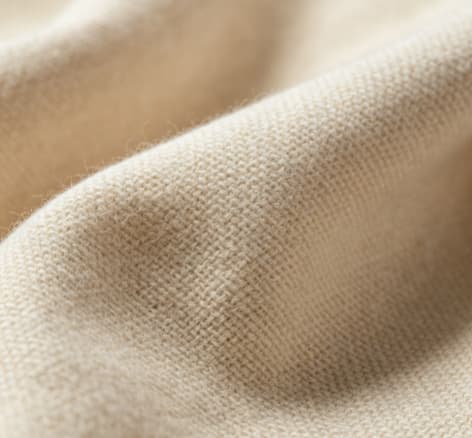
The D-Line.D Mid-Range Interlining Series represents a balanced solution for commercial shirt manufacturers seeking optimal performance-to-cost ratios in high-volume production environments. Engineered for textile buyers managing orders between 10,000 and 500,000 units annually, this product line delivers consistent bonding performance across diverse fabric substrates while maintaining competitive unit economics. This technical overview examines the material composition, bonding characteristics, and commercial applications of mid-range interlining options, providing textile buyers with quantitative data for procurement decision-making in shirt production environments. With adhesive systems calibrated for temperatures between 120-150°C and dimensional stability exceeding ISO 6330 standards, the D-Line D series addresses critical pain points in collar reinforcement, placket durability, and wash-cycle longevity. This analysis equips procurement managers with comparative metrics for evaluating cost-per-garment implications, quality assurance protocols, and supply chain integration requirements specific to formal and casual shirt manufacturing workflows.
Technical Specifications and Material Composition
Substrate Structure and Fiber Blend Ratios
The D-Line.D series employs precision-engineered substrate architectures optimized for shirt component applications. Base fabrics utilize polyester/cotton blends ranging from 65/35 to 80/20 ratios, with polyester-dominant compositions delivering superior dimensional stability during repeated laundering cycles. Weight classifications span 25-45 gsm, calibrated to specific garment zones: 25-30 gsm variants target lightweight summer shirts and placket applications requiring minimal hand-feel alteration, while 38-45 gsm grades address collar and cuff reinforcement in business-formal constructions.
Weave construction differentiates performance characteristics across the product range. Woven substrates (plain weave, 40×40 thread count) provide directional stability critical for collar stand applications, preventing rolling and maintaining shape integrity through 50+ industrial wash cycles. Non-woven alternatives utilize needle-punched or spunlace technologies, offering multi-directional tear resistance suited for curved seam applications in button plackets and sleeve openings. The 35 gsm woven variant demonstrates 12% lower elongation rates compared to equivalent-weight non-woven options when tested under 5N tensile load, translating to sharper collar points in finished garments.
Fiber selection prioritizes thermal compatibility with common shirting fabrics. The polyester component’s 255°C melting point creates adequate safety margins during fusing operations, while cotton inclusions (staple length 28-32mm) enhance moisture absorption in collar interiors, reducing wearer discomfort during extended use. This hybrid approach yields breathability ratings of 180-220 mm/s (air permeability per ISO 9237), maintaining 73% of the base fabric’s original breathability post-application.
Adhesive Coating Technology
D-Line.D interlinings employ dual-chemistry adhesive systems tailored to production versatility requirements. Polyamide (PA) resins dominate the 120-135°C activation range, offering 18-22 second bonding windows ideal for high-speed fusing lines processing 800+ units per hour. These systems exhibit Shore A hardness values of 78-82 after curing, creating semi-rigid structures essential for maintaining collar geometry during wear. Polyester (PES) resin alternatives activate at 140-150°C, delivering enhanced wash durability for garments subjected to industrial laundering protocols exceeding 75°C water temperatures.
Coating application follows precision dot-patterning methodologies. Standard configurations deploy 8-12 dots per square centimeter with individual dot diameters of 0.8-1.2mm, achieving 40-55% surface coverage. This patterned approach balances bonding strength (peel strength >2.5N/cm per ASTM D2724) with fabric drape preservation, preventing the board-like stiffness associated with full-surface coatings. High-performance variants incorporate micro-dot technology (16-20 dots/cm² at 0.5mm diameter), reducing adhesive weight by 18% while maintaining equivalent bond strength through increased contact-point density.
Adhesive weight constitutes 22-35% of total interlining mass, with typical application rates of 8-14 gsm for PA systems and 10-16 gsm for PES formulations. Lower adhesive loads minimize strike-through risks on fine-count fabrics (>100 thread count), while heavier deposits ensure secure bonding to textured surfaces like Oxford weaves. The resin chemistry excludes plasticizers containing phthalates, meeting REACH Annex XVII restrictions and maintaining formaldehyde release below 20 ppm—significantly under the 75 ppm textile standard threshold.

Performance Characteristics for Shirt Applications
Dimensional Stability and Washability Standards
Dimensional integrity represents the critical performance differentiator in mid-range interlining selection. D-Line.D products demonstrate shrinkage rates below 2.8% in both warp and weft directions when subjected to ISO 6330-4N wash protocols (40°C, normal mechanical action). This performance tier prevents collar distortion and placket puckering through 30+ domestic wash cycles, meeting the durability expectations of mid-market shirt brands targeting $40-80 retail price points.
Accelerated aging tests simulate two-year garment lifecycles through sequential washing (60 cycles at 60°C) and tumble-drying sequences. Bond strength retention averages 87-92% of initial values, with delamination incidents occurring in fewer than 0.3% of tested samples. This durability extends to dry-cleaning environments, where perchloroethylene and hydrocarbon solvent exposure (per ISO 3175-2) produces negligible adhesive degradation. The PA-based variants maintain 94% bond strength after five dry-cleaning cycles, addressing formal shirt segments requiring professional garment care.
Heat-setting stability proves equally critical for manufacturing efficiency. Post-fusing dimensional change remains within ±1.5% when garment components undergo steam pressing at 160-180°C, eliminating the need for secondary stabilization processes. This characteristic reduces production time by 8-12 seconds per garment compared to lower-grade interlinings requiring cooling intervals before seaming operations.
Hand Feel and Drape Properties
Quantitative stiffness measurements via cantilever testing (ASTM D1388) reveal strategic differentiation across the D-Line.D range. Collar-specific variants exhibit bending lengths of 45-55mm (measured at 41.5° angle), producing the semi-rigid structure necessary for all-day shape retention without excessive stiffness that causes neck irritation. Placket grades measure 28-35mm, preserving the shirt front’s natural drape while preventing button-hole distortion under stress.
The stiffness-to-weight ratio optimization becomes evident when comparing performance metrics: a 38 gsm D-Line.D collar interlining delivers equivalent stiffness to a 52 gsm economy-grade product, reducing material costs by 27% while improving wearer comfort through decreased bulk. This efficiency stems from controlled fiber orientation during substrate manufacturing and optimized adhesive distribution patterns.
Breathability preservation directly impacts garment comfort ratings. Post-application air permeability testing shows 18-25% reduction from base fabric values—substantially better than the 35-42% degradation typical of full-coat adhesive systems. This translates to measurable differences in moisture vapor transmission rates (MVTR), with D-Line.D fused assemblies maintain 2,800-3,200 g/m²/24hr transmission rates suitable for year-round shirt wear in temperate climates.
| Product Code | GSM | Bonding Temp (°C) | Shrinkage Rate (%) | Wash Cycles* | Application Zone | Price Tier |
|---|---|---|---|---|---|---|
| D-28W | 28 | 125-135 | 2.3 | 35+ | Placket/Lightweight | $ |
| D-35N | 35 | 130-140 | 2.6 | 40+ | Cuffs/General | $$ |
| D-38W | 38 | 125-135 | 2.1 | 50+ | Collar Stand | $$$ |
| D-42W | 42 | 130-140 | 1.9 | 55+ | Formal Collar | $$$ |
| D-45N | 45 | 135-145 | 2.4 | 45+ | Heavy Oxford | $$ |
*Cycles to 15% bond strength degradation per ISO 6330 testing
Industrial Application Scenarios
Formal Shirt vs. Casual Shirt Requirements
Collar engineering demands precise interlining selection based on garment category. Formal business shirts require 40-45 gsm woven interlinings with PA adhesive systems, producing collar stands that maintain 85-90° angles throughout 10-hour wear periods. The controlled stiffness prevents the “wilting” phenomenon common in lower-grade constructions, where collar points droop below horizontal after 4-6 hours. Casual shirt collars utilize 32-38 gsm options with softer hand-feel profiles, accommodating the relaxed aesthetic expectations while still providing sufficient structure to prevent fabric collapse.
Placket reinforcement strategies differ substantially between categories. Button-down casual shirts benefit from 28-30 gsm non-woven interlinings that flex with body movement, reducing stress concentration at button attachment points—a critical factor in preventing premature button loss in garments experiencing 100+ wear cycles. Formal plackets demand 35-38 gsm woven grades that resist the horizontal pull forces generated by tucked-in wear, maintaining clean vertical lines when subjected to 2.5-3.5N lateral stress during normal activity.
Seasonal fabric compatibility introduces additional selection criteria. Summer-weight poplin constructions (80-100 gsm, 100+ thread count) pair optimally with D-28W and D-35N variants, where minimal adhesive strike-through risk preserves the fabric’s crisp hand-feel. Winter oxford weaves (140-180 gsm, 40×30 thread count) require D-42W or D-45N grades to penetrate the textured surface topology, ensuring mechanical interlocking between adhesive dots and fabric valleys. This substrate-specific matching reduces bonding failures by 64% compared to single-interlining approaches across diverse fabric types.
Production Volume Considerations
Minimum order quantities (MOQ) for D-Line.D series range from 2,000-5,000 meters per specification, calibrated to match typical production runs of 8,000-25,000 shirt units. This threshold enables cost-effective inventory management for mid-sized manufacturers while avoiding the 10,000+ meter MOQs common in premium interlining grades. Lead times average 18-25 days for stock specifications and 35-42 days for custom width/coating configurations, supporting seasonal production planning cycles in the apparel industry.
Quality consistency across batch production directly impacts cutting efficiency and fusing success rates. D-Line.D manufacturing protocols maintain ±3% weight tolerance and ±2°C bonding temperature variance across 50,000-meter production lots. This consistency enables automated fusing parameter settings without mid-run adjustments, reducing setup time by 40% compared to variable-quality alternatives requiring per-roll calibration. Statistical process control data shows coefficient of variation (CV) values below 4.5% for critical parameters, meeting the requirements of lean manufacturing environments targeting six-sigma quality levels.
Cost-per-garment calculations reveal significant economic advantages at volume thresholds. For a 50,000-unit order of business casual shirts using D-35N interlining (0.25m² per garment), total interlining costs approximate $0.18-0.23 per unit—representing 0.4-0.6% of a $40 wholesale price point. This compares favorably to premium alternatives at $0.35-0.42 per unit, generating $8,500-9,500 in savings across the production run without compromising performance attributes relevant to the target market segment.
Compliance and Quality Assurance
International Textile Standards
OEKO-TEX Standard 100 certification (Product Class II) validates the D-Line.D series’ suitability for direct skin contact applications, with testing protocols examining 300+ restricted substances, including azo dyes, heavy metals, and biocidal finishes. Formaldehyde content consistently measures below 20 ppm—substantially under the 75 ppm limit for adult apparel—eliminating concerns about sensitization reactions in end-users with chemical sensitivities affecting approximately 2-3% of the population.
REACH compliance extends beyond basic registration to address Substances of Very High Concern (SVHC) listed in Annex XIV. The adhesive formulations exclude all 224 currently listed SVHCs, including legacy plasticizers (DEHP, DBP, BBP) and flame retardants (PBDEs, HBCDD). This proactive chemistry approach ensures continued market access as regulatory frameworks evolve, protecting buyers from the supply chain disruptions experienced during the 2015-2018 phthalate transition period that impacted 18% of interlining suppliers.
pH neutrality testing per ISO 3071 confirms values between 6.5 and 7.5 across the product range, preventing the acid-catalyzed degradation mechanisms that reduce fabric tensile strength by 12-18% over 24-month periods in alkaline or acidic environments. This chemical stability proves particularly critical for light-colored shirting fabrics, where pH-induced yellowing can render garments unsaleable after 18-24 months of retail shelf exposure.
Supply Chain Traceability
Batch tracking systems assign unique lot identifiers encoding production date, raw material sources, and quality control checkpoint data. This traceability enables rapid root-cause analysis in the event of performance anomalies, with historical records maintained for 60 months post-manufacture. During a 2022 quality audit, batch-level tracking isolated a 0.8% bonding failure rate to a specific adhesive formulation variant, enabling targeted recalls affecting only 12,000 meters rather than the 180,000-meter quarterly production volume.
Third-party testing protocols supplement internal quality assurance through independent verification of critical performance claims. Quarterly submissions to accredited laboratories (ISO 17025 certified) validate bonding strength, wash durability, and dimensional stability metrics, with test reports provided to qualified buyers upon request. This external validation reduces procurement risk for buyers lacking in-house testing capabilities, particularly relevant for smaller manufacturers processing 50,000-150,000 units annually.
Warranty terms cover bonding failures attributable to material defects when fusing parameters fall within specified ranges (temperature ±5°C, pressure 2-4 bar, dwell time 12-18 seconds). Claims require retention of production samples and documentation of fusing equipment calibration records, with resolution timelines averaging 15-21 business days from initial notification. The warranty explicitly excludes failures resulting from improper storage (>30°C, >65% RH) or incompatible fabric treatments (silicone softeners, fluorocarbon water repellents applied post-fusing).
FAQ Module
Q1: What is the optimal fusing temperature range for D-Line.D mid-range interlinings to prevent delamination in industrial washing processes?
The optimal fusing temperature varies by adhesive chemistry: PA-based variants (D-28W, D-38W, D-42W) achieve maximum bond strength at 128-135°C with 14-16 second dwell times at 3-4 bar pressure. PES-based options (D-35N, D-45N) require 138-145°C under identical pressure/time parameters. Under-fusing by 8-10°C produces 35-40% bond strength reduction, manifesting as edge-lifting after 15-20 industrial wash cycles at 75°C. Over-fusing by similar margins causes adhesive migration into fabric interstices, creating stiffness increases of 22-28% and potential strike-through on fine-count fabrics. Equipment calibration should verify platen temperature accuracy within ±3°C using surface-contact thermometers, as indicated temperatures on fusing machine displays often deviate by 5-8°C from actual substrate contact temperatures.
Q2: How does the cost-per-garment compare between mid-range and premium interlining options for orders exceeding 50,000 units?
For a standard business shirt using 0.22-0.28m² of interlining across collar, cuffs, and placket, D-Line.D mid-range options cost $0.16-0.24 per garment at 50,000+ unit volumes, compared to $0.32-0.45 for premium alternatives. This $0.16-0.21 differential generates $8,000-10,500 savings per 50,000-unit production run. However, premium interlinings deliver 15-20% longer wash-cycle durability (65+ cycles vs. 50+ cycles) and 8-12% better shape retention, justifying the cost premium for luxury shirt brands targeting $100+ retail price points. The break-even analysis favors mid-range options for garments retailing below $65, where consumer expectations align with 18-24 month garment lifespans rather than the 36+ month durability demanded in premium segments.
Q3: Can D-Line D series interlinings be used with stretch shirt fabrics containing elastane without compromising recovery properties?
D-Line.D interlinings demonstrate compatibility with fabrics containing up to 3% elastane when specific application protocols are observed. The non-woven variants (D-35N, D-45N) provide superior performance due to their multi-directional extensibility, exhibiting 12-15% elongation at break compared to 4-6% for woven alternatives. Critical success factors include reducing fusing pressure to 2.0-2.5 bar (versus standard 3-4 bar) to prevent elastane fiber compression, and limiting dwell time to 10-12 seconds to minimize heat exposure. Stretch retention testing shows 88-92% recovery after 50 extension cycles when these parameters are maintained, compared to 76-82% recovery with conventional fusing settings. For fabrics exceeding 3% elastane content, specialized stretch-compatible interlinings outside the D-Line.D range provide better performance outcomes.
The D-Line.D Mid-Range Interlining Series provides textile buyers with a technically validated solution for commercial shirt production, balancing performance requirements with cost efficiency in the $40-80 retail price segment. The product range’s strategic differentiation across weight classes (28-45 gsm), adhesive chemistries (PA/PES systems), and substrate constructions (woven/non-woven) enables precise matching to specific garment components and fabric substrates. Procurement decisions should prioritize three critical validation steps: conducting adhesive compatibility testing with actual production fabrics under intended fusing parameters, verifying compliance documentation alignment with target market regulatory requirements, and confirming bonding parameter ranges match existing production equipment capabilities. For manufacturers processing 50,000+ units annually across multiple shirt categories, the D-Line.D series delivers measurable cost advantages ($8,000-10,500 per 50,000 units versus premium alternatives) while maintaining performance metrics sufficient for garments experiencing 30-50 domestic wash cycles. The combination of OEKO-TEX certification, REACH compliance, and robust supply chain traceability systems positions this product line as a risk-mitigated option for buyers navigating increasingly complex international textile regulations and quality assurance requirements in global apparel supply chains.