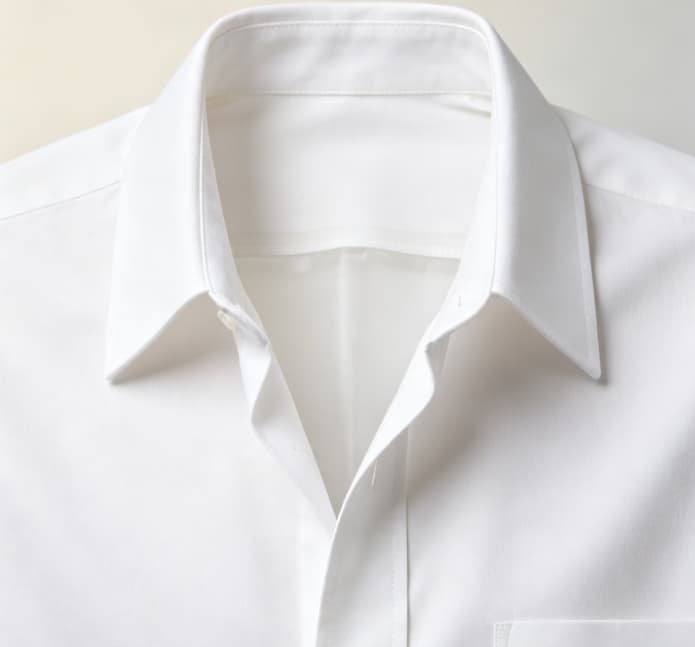
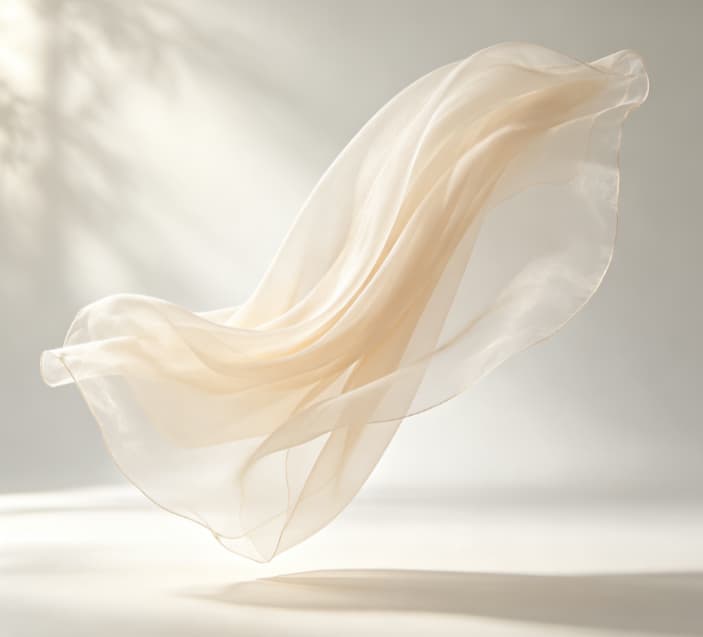
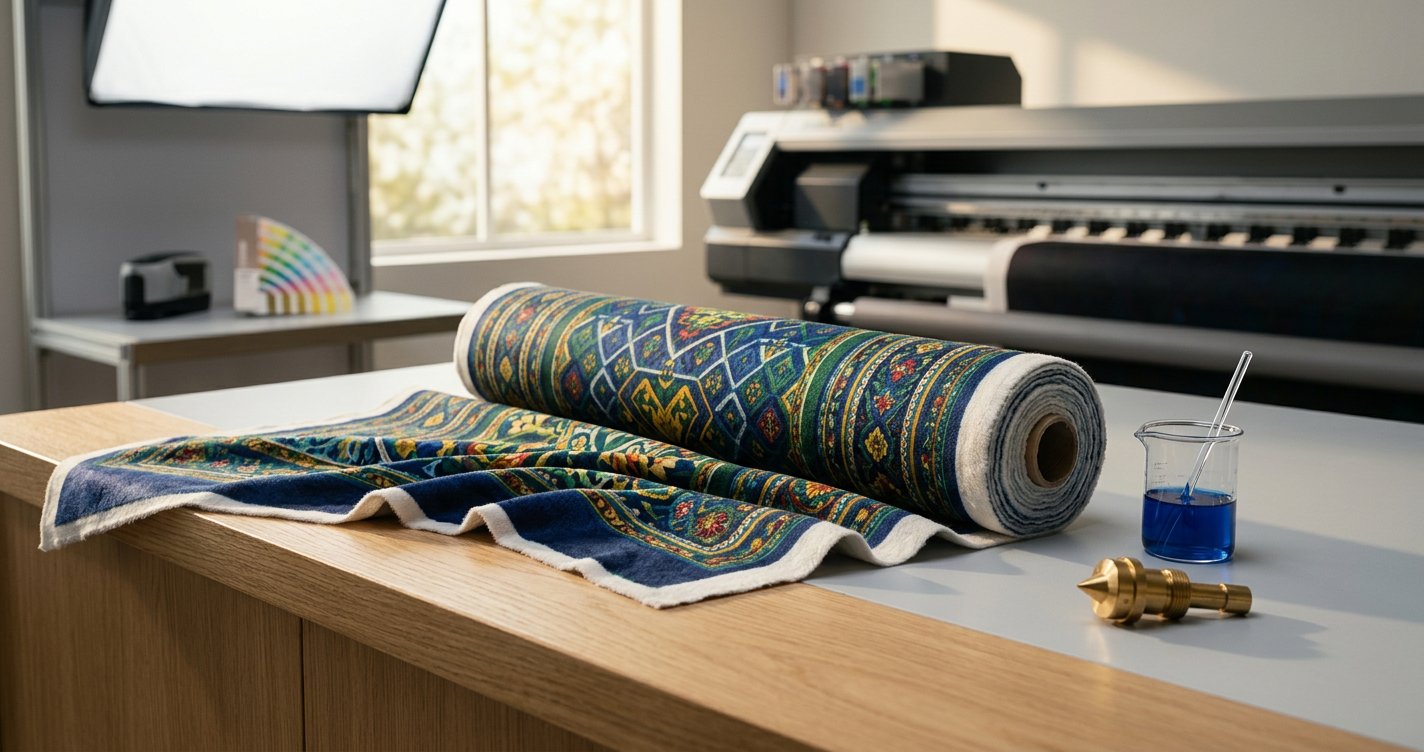
In modern textile and embroidery production, precision is no longer optional. Lightweight fabrics, high-density stitching, intricate lace patterns, and automated sewing systems demand support materials that disappear without a trace. This is exactly where the water-soluble liner has transformed manufacturing standards.
Unlike traditional stabilizers that must be torn or cut away, a water-soluble liner dissolves completely during washing, leaving no structural residue behind. The result is cleaner finishing, reduced labor time, better fabric integrity, and improved production consistency.
As garment quality expectations increase and sustainability regulations tighten, manufacturers are shifting from conventional backing materials toward dissolvable support solutions that enhance both performance and environmental compliance.
Why Water-Soluble Liner Has Become Essential in Modern Textile Production
Textile manufacturing has evolved rapidly over the past two decades. Fabric types are becoming lighter, more technical, and more sensitive to finishing imperfections. Consumers expect garments that feel soft, look flawless, and maintain structural integrity after repeated washing.
Traditional stabilizers—such as tear-away and cut-away backings—were developed for durability and basic structural support. However, they introduce several limitations:
Manual removal increases labor costs
Residual fibers can remain trapped in delicate fabrics
Heavy backings may distort lightweight textiles
Cutting processes risk damaging fine embroidery
When working with sheer fabrics, lace materials, tulle, organza, silk blends, or high-pile textiles, traditional backings often compromise the final aesthetic.
Water-soluble liner addresses these issues by providing temporary structural support during stitching and disappearing entirely after washing. There is no tearing, no trimming, and no risk of damaging fine fabric structures.
This shift represents more than a convenience—it reflects a broader transition toward cleaner finishing standards in high-value textile production.
What Is a Water-Soluble Liner and How Does It Work?
A water-soluble liner is typically manufactured from polyvinyl alcohol (PVA), a synthetic polymer engineered to dissolve in water under controlled temperature conditions.
How the Dissolution Process Works
PVA materials absorb water molecules and break down at the molecular level. When exposed to water:
The liner softens.
Structural bonds weaken.
The material disperses into solution.
No visible residue remains on the fabric.
The dissolution speed depends on:
Water temperature
Thickness of the liner
Degree of polymer cross-linking
Water agitation
Cold Water vs Hot Water Soluble Liners
There are two primary categories:
Cold water-soluble liner: Dissolves at low temperatures (typically 20–30°C). Ideal for delicate fabrics.
Hot water-soluble liner: Requires higher temperatures (40–70°C). Provides stronger pre-wash stability.
Cold-soluble types are commonly used in embroidery for sheer materials, while hot-soluble versions are often applied in structured textile assembly processes requiring greater tension resistance.
Film vs Nonwoven Structures
Water-soluble liners are available in two structural forms:
Transparent PVA film: Smooth surface, ideal for top-layer embroidery stabilization.
Nonwoven dissolvable fabric: Thicker structure, used beneath textiles for stitching support.
Each structure offers distinct tensile performance and handling characteristics.

Key Applications Where Water-Soluble Liner Makes a Measurable Difference
Water-soluble liner is particularly valuable in precision textile processes. It excels in the following applications:
Sheer and lightweight fabrics
Organza, chiffon, silk, and mesh require stable stitching support without permanent backing. Dissolvable liner prevents puckering during embroidery.Lace embroidery production
Freestanding lace relies entirely on the liner as a temporary base. Once dissolved, only the lace structure remains.3D embroidery and patches
Complex stitch density requires structural support during production. Clean dissolution ensures no trapped fibers.Towel and high-pile fabrics
Placing film-type liner on top of looped fabrics prevents stitches from sinking into the pile.Temporary seam positioning
Dissolvable liners can stabilize multi-layer fabrics during stitching and washing.
These use cases demonstrate how dissolvable support enhances both product aesthetics and production efficiency.
Technical Performance Factors Buyers Should Evaluate
Industrial buyers must evaluate performance characteristics carefully. Key considerations include:
Dissolution temperature range
Must align with washing process specifications.Pre-wash tensile strength
The liner must withstand embroidery machine tension.Thickness (measured in microns or grams per square meter)
Thicker materials offer greater support but require longer dissolution time.Humidity resistance during storage
PVA is moisture-sensitive; packaging quality is critical.Compatibility with industrial washing systems
Dissolution must be complete under production conditions.Residue rate after washing
High-quality liners leave no sticky or cloudy traces.
Manufacturers working in high-volume production environments benefit from automated dosing and controlled application systems to ensure consistent performance.
Water-Soluble Liner vs Traditional Stabilizers
| Feature | Water-Soluble Liner | Tear-Away Stabilizer | Cut-Away Stabilizer |
|---|---|---|---|
| Removal Method | Dissolves in water | Manual tearing | Cutting required |
| Residue | None | Partial fiber residue | Permanent backing |
| Suitable Fabrics | Sheer, lace, delicate | Medium weight | Heavy fabrics |
| Labor Requirement | Low | Medium | High |
| Finish Cleanliness | High | Moderate | Low |
| Risk of Fabric Damage | Minimal | Possible | Possible |
This comparison highlights the operational efficiency and finish quality advantages of dissolvable liners.
Environmental and Regulatory Advantages
As global textile regulations tighten, manufacturers must reduce waste and chemical exposure.
Water-soluble liners provide advantages such as:
Reduced solid waste compared to tear-away backings
Lower mechanical trimming waste
Compatibility with eco-certified textile processes
Minimal micro-fiber residue in finished garments
Modern PVA formulations are designed to meet environmental safety standards and reduce chemical byproducts during dissolution.
For exporters supplying European or North American markets, compliance alignment is increasingly important.
How to Select the Right Water-Soluble Liner for Your Production Line
Selecting the appropriate liner requires understanding your production variables.
Consider the following:
Fabric weight and structure
Stitch density and embroidery complexity
Machine speed and tension settings
Washing temperature capability
Storage humidity levels
High-density lace requires a thicker liner. Lightweight chiffon requires a thin cold-soluble film. Towel embroidery may require a top-film plus bottom nonwoven combination.
Testing samples before bulk adoption is critical for maintaining production consistency.
Future Trends in Dissolvable Textile Support Materials
Innovation in dissolvable materials continues to accelerate.
Emerging developments include:
Bio-based PVA alternatives
Low-temperature rapid-dissolve materials
Anti-static dissolvable films
Automated dissolvable positioning aids
Smart multi-layer dissolvable composites
As automation and precision embroidery systems advance, support materials must evolve accordingly.
The next generation of water-soluble liner will likely offer greater tensile strength with faster dissolution and improved environmental compatibility.
Water-soluble liner is no longer a niche specialty product. It has become a critical component in high-precision textile manufacturing, particularly in embroidery, lace production, and lightweight garment assembly.
By eliminating residue, reducing labor, and enhancing finishing quality, dissolvable liners deliver measurable improvements in efficiency and product consistency.
For manufacturers focused on premium textile production, selecting the right water-soluble liner is not just a technical decision—it is a strategic investment in quality control, sustainability, and long-term competitiveness.
In textile production, the materials that disappear often make the most visible difference.