Introduction
The global cotton fabric market is about USD 48.75 billion in 2024 and USD 69.83 billion in 2032, and it is poised to grow at a steady pace, but with a growing quality gap. Apparel manufacturers who rely on this market for their fabrics face two types of risks: clothes that fall apart after a few washes, or luxury collections that do not earn the margins they expect.
Both are caused by the wrong raw materials. Standard cotton made from shorter staples and less tightly controlled fibers does not have the hand feel, tenacity, or consistency that is needed in high-end garments. Premium cotton fabric solves this problem directly. Fabric made from extra-long staple cotton provides filament-fine yarns, a silky-soft feel, and a cloud-like touch on the cutting board, as well as the mechanical properties that allow for precise sewing and long-term garment quality. For manufacturers and sourcing managers, knowing what differentiates premium cotton fabric from common thread is the difference between products that build or those that wear down a brand.
The Material Science Behind Premium Cotton Fabric
Cotton fiber length—measured in staple—is the single most predictive measure of finished fabric quality. Standard upland cotton fibers average 22–28 mm in length. Premium varieties begin where upland cotton ends: Supima cotton fibers extend up to 35% longer than conventional cotton, resulting in a softer feel, longer durability, and increased tear strength. Sea Island cotton extends even further, with staple lengths from 1.5 to 2.5 inches—approximately 35 to 60 mm.
Longer fibers create yarns with fewer exposed fiber ends per meter of thread. Each fiber end protruding from a yarn surface becomes a friction point against skin and a potential breakage site under mechanical stress. Fewer ends mean smoother yarns, which translate directly into softer fabric hand, higher tensile strength, and superior resistance to pilling. When those extra-long staple fibers are combed—a process that removes short fibers and aligns the remaining long fibers in parallel—the result is premium cotton fabric with immediate softness and a remarkably smooth, even surface texture.
Cotton’s molecular structure provides inherent performance properties that synthetics attempt to replicate but never fully capture:
Natural breathability — cotton fibers are porous, allowing air to circulate freely through the fabric, helping regulate body temperature and maintain a cool, dry feeling against skin
Moisture management — hygroscopic fiber structure absorbs perspiration from the skin and releases it into the atmosphere, producing a natural wicking effect without chemical treatments.
Enhanced performance in premium grades — finer, longer fibers create a more uniform capillary structure within the yarn, enhancing moisture transport while maintaining the dry-touch feel that luxury consumers expect
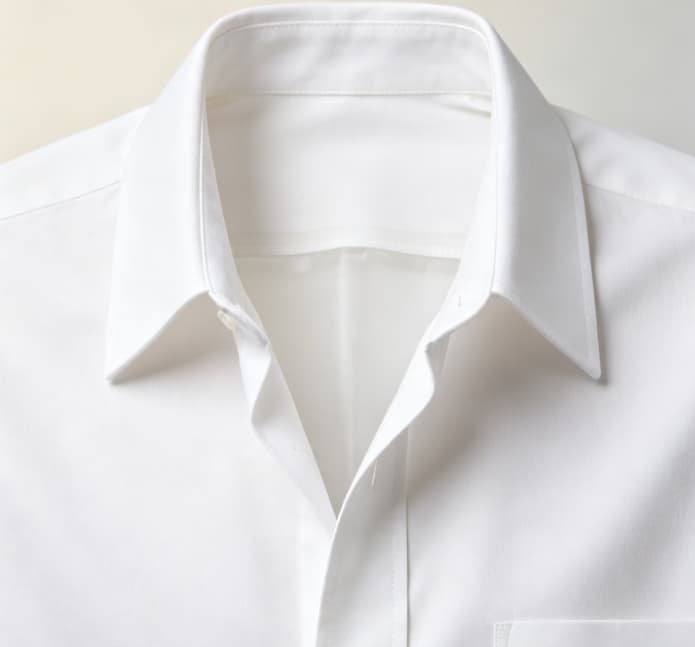
These properties make premium cotton fabric for apparel manufacturing particularly suited to luxury garments worn close to the body—dress shirts, summer suiting, and premium knitwear,r where overheating compromises the wearing experience.
Key Manufacturing Processes That Elevate Cotton Quality
Combing and Carding
Raw cotton arrives at the mill containing short fibers, neps, and plant debris. Carding disentangles and partially aligns fibers, removing the largest impurities. Combing goes further, extracting short fibers below a predetermined length while aligning the remaining long fibers into parallel formation.
The difference is quantifiable. Combed cotton achieves immediate softness that maintains feel over time, unlike carded-only cotton, which may soften after repeated washing but never reaches the same smoothness level. Premium combed cotton also demonstrates measurable performance advantages:
Approximately 20% less clingy when wet
Roughly 15% faster drying than regular cotton equivalents
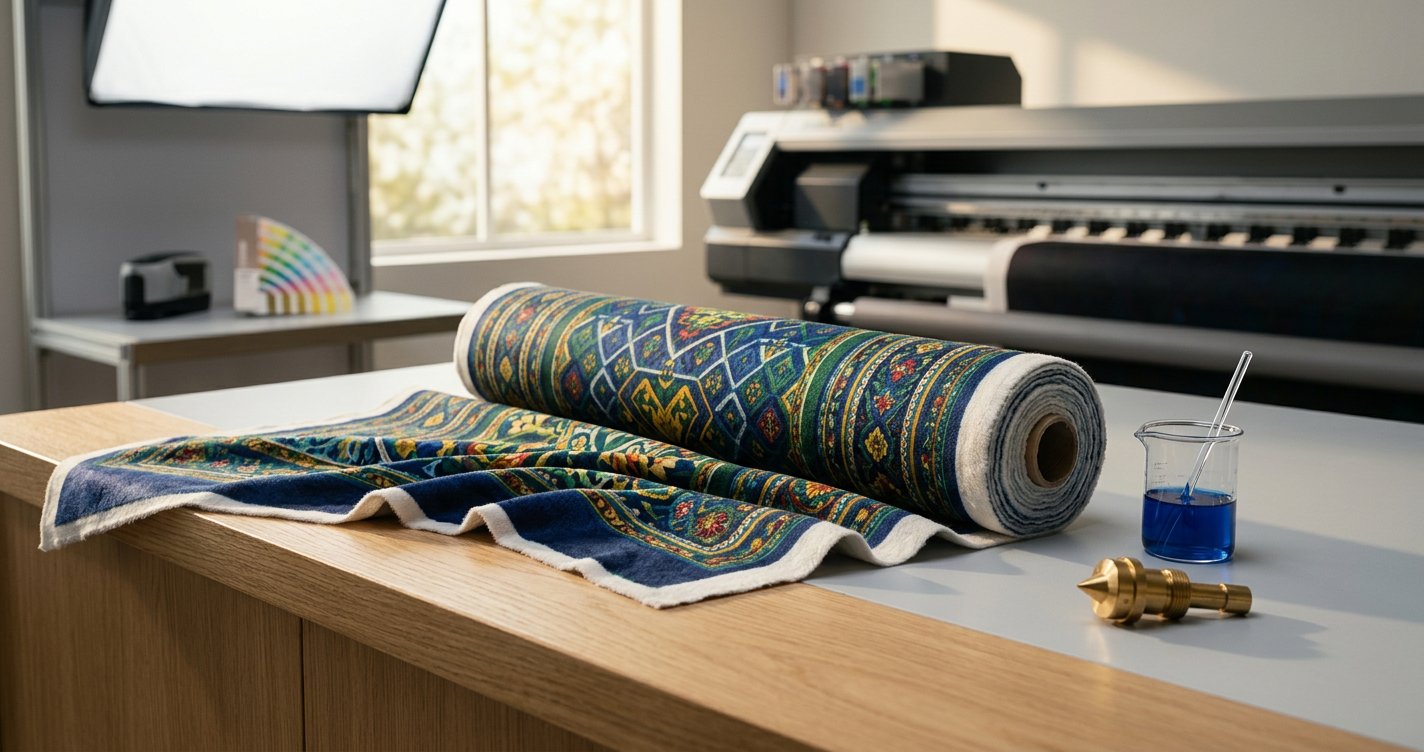
Superior dye absorption uniformity, enabling deeper, more consistent coloration
Reduced pilling because short fibers—the primary source of surface fuzz and pills—are removed
For garment manufacturers producing dress shirts, luxury basics, or premium athleisure, these properties translate into products that perform during wear and maintain quality through laundering cycles. Premium cotton fabric’s excellent dye absorption makes it an ideal substrate for the precise color reproduction demanded by luxury fashion brands, where exact shade matching across collections is non-negotiable.
Mercerization: Transforming Surface and Strength
Mercerization—treating cotton yarn or fabric with a caustic soda solution under tension—permanently alters the fiber’s physical structure at the molecular level. The fiber swells, its cross-section becomes more circular, and its surface reflects light more uniformly, achieving a luminous sheen that endures through repeated washing.
Beyond aesthetics, mercerization delivers concrete mechanical benefits:
15–20% improvement in tensile strength
Enhanced dye affinity — absorbs more colorant and holds it more permanently
Reduced shrinkage — fiber swelling during treatment pre-shrinks the material
Smoother surface — reduces friction during cutting and sewing, improving production line efficiency
High-Density Weaving
Premium cotton fabric typically employs high-thread-count weaves that lend resilient structure with fluid drape and wrinkle resistance. The relationship between density and performance follows clear physical principles:
Higher thread counts distribute mechanical stress across more yarns, improving tear strength and seam integrity
Tighter weave structure resists deformation during wear and laundering, maintaining the garment’s silhouette
Smooth, dense surface reduces the friction that causes pilling
Consistent tension and even yarn distribution lay flat on the cutting table without distortion, enabling the accuracy required for pattern-matched seams and consistent sizing.
This predictability directly reduces waste in the cutting room—a meaningful cost variable in high-end manufacturing where fabric represents a significant portion of total product cost.

Premium Cotton vs. Standard Cotton: Performance Comparison
The gap between premium cotton fabric and standard cotton becomes clear when comparing performance across the metrics that determine garment quality, longevity, and consumer satisfaction.
| Performance Factor | Standard Cotton | Premium Cotton Fabric |
|---|---|---|
| Staple Length | 22–28 mm (upland cotton, short to medium staple) | 35–60 mm (ELS varieties, extra-long staple) |
| Yarn Smoothness | Moderate—multiple fiber ends protrude from the yarn surface | High—fewer fiber ends per meter, aligned through combing, silky-smooth surface |
| Hand Feel | Adequate, may soften with washing, but never fully smooth | Immediate softness, maintains or improves over time; 20% less clingy when wet |
| Tear Strength | Standard—shorter fibers reduce interlock cohesion | Significantly higher—Supima fibers deliver up to 35% greater tear strength |
| Breathability | Good—cotton’s natural porosity provides airflow | Excellent—finer yarns enable denser weave without sacrificing air permeability. |
| Dye Affinity and Color Fastness | Moderate—less uniform dye uptake, color may fade | Superior—uniform absorption, mercerization enhances depth and retention |
| Pilling Resistance | Moderate—shorter fibers release and tangle on the surface | High—long fibers remain locked in the yarn structure |
| Dimensional Stability | Variable—5–8% shrinkage after first wash | Controlled—Mercerization pre-stabilizes fibers |
| Wash Durability | Moderate—gradual degradation | Excellent—withstands 50+ industrial wash cycles without measurable loss |
For apparel manufacturers, these differences translate directly into production economics. A garment sewn from premium cotton fabric maintains its appearance through more wear-and-wash cycles, generating stronger customer satisfaction and repeat purchase behavior. The higher initial fabric cost is recovered through reduced returns, fewer quality complaints, and the ability to command premium retail pricing that standard cotton cannot support.
Premium Cotton Varieties in the Luxury Market
Sea Island cotton, grown exclusively in the West Indies under strict certification by the West Indies Sea Island Cotton Association (WISICA), represents the pinnacle of premium cotton fabric. Its extra-long staple fibers—reaching up to 60 mm—produce the finest cotton counts commercially available. Annual production is severely limited by geographic and climatic requirements, placing garments made from authentic Sea Island cotton firmly in the ultra-luxury segment.
Egyptian cotton benefits from the unique growing conditions of the Nile Delta. Within this category, Giza 45 commands special attention—representing only 0.4% of total Egyptian Giza production, it is one of the rarest commercial cotton varieties in the world and is prized for its combination of fiber fineness and tensile strength. For premium cotton fabric for luxury apparel, Giza 45 provides a compelling balance of exclusivity, quality, and reliable supply chain access.
Supima—American-grown Pima cotton certified by the Supima Association—balances premium quality with commercial availability. Supima fibers, while not reaching the extreme lengths of Sea Island, still extend up to 35% longer than standard cotton, delivering measurably higher tear strength and noticeably softer hand feel. The certification structure matters operationally: Supima cotton is traceable from farm to finished fabric through the association’s licensing program, providing brands with verified content claims that support marketing narratives and satisfy retailer compliance requirements.
The Natural Performance Properties That Define Luxury
Breathable Cotton Fabric for Garment Production
Breathability distinguishes premium natural fibers from synthetics in ways that directly affect garment performance. Cotton’s porous fiber structure creates natural air channels through the fabric, enabling airflow that regulates body temperature without mechanical ventilation or chemical treatments. When crafted from premium cotton fabric, this breathability reaches its full potential—the finer, longer fibers allow a tighter weave that still permits exceptional air circulation, something impossible with shorter, coarser staples.
Cotton’s high breathability allows air to circulate freely, helping maintain a cool, dry feeling that synthetics struggle to replicate without specialized engineered structures. For luxury apparel manufacturers, breathable cotton fabric for garment production ensures that garments look refined while performing comfortably across varied wearing conditions.
Soft Durable Cotton Fabric for Clothing Longevity
The luxury apparel sector has a durability problem. Consumers purchasing at premium price points expect garments to maintain their quality through extended use, yet many high-end pieces degrade faster than mid-market counterparts because manufacturers prioritized initial hand feels over structural integrity.
Soft, durable cotton fabric for clothing resolves this tension through material selection rather than compromise. Extra-long staple fibers create yarns that are simultaneously finer—producing softer fabric—and stronger—because longer fibers provide greater inter-fiber contact and cohesion under tension. The resulting premium cotton fabric resists tear propagation, seam slippage, and surface wear while maintaining the tactile softness that defines the luxury experience. When soft,t durable cotton fabric for clothing extends garment service life, it strengthens brand quality reputation, attracts repeat purchases, and reduces the warranty claims that erode margins.
Market Growth and Certification Standards
The luxury apparel market was valued at approximately USD 78.8 billion in 2025 and is projected to reach USD 103.7 billion by 2032, driven by growing demand in mature and emerging markets alike. Within this expanding segment, high-quality cotton fabric for fashion industry applications is in strong demand among luxury consumers looking for exclusive products with tangible quality differentiation. The premium cotton segment specifically is estimated at approximately USD 15.8 billion in 2025, with a trajectory toward USD 30.0 billion by 2033, confirming that premium cotton fabric is not a niche interest but a major market force.
For apparel manufacturers, premium cotton fabric certifications serve dual functions: quality verification tool and market access requirement.
OEKO-TEX Standard 100 provides the most widely recognized chemical safety assurance, testing for over a thousand harmful substances across every component of the finished textile. For markets with strict chemical regulations—particularly the European Union—OEKO-TEX certification has become a baseline expectation.
GOTS (Global Organic Textile Standard) certifies both organic fiber content and environmentally and socially responsible manufacturing throughout the supply chain, commanding price premiums where organic certification drives consumer purchase decisions.
BCI (Better Cotton Initiative) covers approximately 23% of global cotton production, promoting more efficient water use, reduced pesticide application, and better working conditions—signaling sustainable sourcing commitment that aligns with premium brand values.
The practical recommendation is to match certification requirements to both the target market’s regulatory environment and the brand’s stated sustainability commitments. OEKO-TEX Standard 100 as a minimum baseline, with GOTS or BCI certification depending on the brand’s specific positioning, provides a defensible framework for supplier qualification.
Sourcing Premium Cotton Fabric for Apparel Manufacturing
Selecting premium cotton fabric for apparel manufacturing requires systematic evaluation across technical performance, aesthetic quality, and supply chain reliability.
| Evaluation Criterion | What to Assess | Why It Matters |
|---|---|---|
| Fiber Certification | Traceable ELS certification (Supima, Giza, Sea Island) with chain-of-custody documentation | Verifies actual premium fiber content, protecting against fiber content fraud |
| Combing Specification | Combed or super-combed designation; visual inspection for yarn evenness | Determines softness, pilling resistance, and dye uniformity |
| Finishing Process | Mercerization certification; surface sheen consistency; dye affinity test results | Affects visual luxury, color fastness, and dimensional stability |
| Fabric Weight | GSM is appropriate for the garment category; weight consistency across batches | Ensures fabric suits the intended design and performs predictably during production |
| Certification Documentation | OEKO-TEX, GOTS, or BCI certificates (current and valid); specific test reports | Satisfies regulatory requirements and brand sustainability commitments |
| Supplier Capability | Production capacity, quality control infrastructure, and sample turnaround time | Determines whether the supplier can support production volumes reliably |
Fabric decisions made in isolation from production realities create downstream problems. GSM specification deserves particular attention: a premium cotton jersey at 180 GSM produced from high-quality combed cotton with proper finishing may deliver equivalent durability and superior hand feel compared to a standard cotton fabric at 220 GSM made from inferior open-end yarn. Fabric weight specifications developed for standard cotton should be recalibrated when sourcing premium cotton fabric for apparel manufacturing.
Shrinkage control is equally critical. Cotton jersey fabric naturally shrinks 5–8% after washing if not pre-shrunk during manufacturing. Premium cotton that has undergone proper mercerization and pre-shrinking treatment significantly reduces this variability, enabling more accurate pattern grading and reducing the risk of post-production dimensional complaints. For any brand building its reputation on consistent fit, premium cotton fabric is the only reliable choice.
FAQ
Q: What defines premium cotton fabric compared to standard cotton?
A: Premium cotton fabric is made from extra-long staple fibers (35–60 mm vs. 22–28 mm for standard), undergoes combing to remove short fibers, and typically receives mercerization treatment for enhanced luster, strength, and color retention.
Q: Which cotton varieties are considered true premium grades?
A: Sea Island cotton (West Indies, staple up to 60 mm) is the rarest. Egyptian Giza 45 combines exceptional fineness with a reliable supply. Supima (American Pima) offers certified premium quality with broader commercial availability.
Q: How does mercerization improve premium cotton fabric?
A: Mercerization treats cotton with caustic soda under tension, permanently swelling the fiber, increasing luster, improving tensile strength by 15–20%, enhancing dye absorption, and reducing shrinkage.
Q: Why does premium cotton fabric offer better durability?
A: Extra-long staple fibers create yarns with fewer protruding ends and greater inter-fiber cohesion under tension. Combined with combing and high-density weaving, premium cotton withstands more wear-and-wash cycles without pilling or losing shape.
Q: What certifications should I look for when sourcing premium cotton fabric?
A: OEKO-TEX Standard 100 provides chemical safety assurance. GOTS certifies organic content and responsible manufacturing. BCI indicates sustainable farming. Fiber-specific certifications from Supima or WISICA verify premium content claims.
Q: Can premium cotton fabric support luxury pricing?
A: Yes. Superior hand feel, drape, and longevity support higher retail price points. Verifiable fiber origin and certification strengthen brand positioning and provide documented content claims for retail partners.
Q: What is the minimum order quantity for premium cotton fabric?
A: Minimums vary by supplier and specification. Higher-complexity fabrics and more exclusive fiber types typically carry higher minimums. Discuss requirements directly with suppliers to determine feasible order volumes.
Conclusion
Garment quality begins at the fiber level. Premium cotton fabric earns its position in high-end apparel manufacturing through measurable performance advantages that extra-long staple fibers, combing, mercerization, and high-density weaving deliver. The combination of superior softness, structural durability, and refined surface appearance creates garments that command premium pricing and generate the repeat purchases that build brand equity.
Market data confirms the direction of travel. The global cotton fabric market is growing from USD 48.75 billion toward USD 69.83 billion, and the premium cotton segment is expanding toward USD 30.0 billion by 2033, demonstrating sustained expansion driven by consumer demand for quality, durability, and sustainable sourcing. High-quality cotton fabric for fashion industry applications has become not merely a material choice but a strategic positioning decision.
For apparel manufacturing directors, sourcing managers, and brand developers, the decision to specify premium cotton fabric is fundamentally about risk management and brand positioning. Standard cotton introduces variability that manifests as returns, complaints, and diminished brand perception. Premium cotton fabric—sourced with verified fiber content, manufactured with documented processing standards, and supported by recognized certifications—provides the material foundation on which quality reputations are built and sustained.
If you have any questions about our premium cotton fabric or would like to learn more about specifications, applications, or sample availability, please feel free to contact us. We are always ready to support your sourcing needs and provide professional guidance for your next project.