Today, the textile and garment industry is growing very fast. This has also changed the role of basic materials used in apparel to a great extent. Among these innovations, the non-ironing liner is one of the most influential developments in redefining performance and appearance, together with the quality parameters of modern garments. As durability, ease of care, sustainability, and wearer comfort are increasingly prioritized by fashion brands, manufacturers, and fabric engineers, a non-ironing liner provides a technical advantage that cannot be fully achieved by conventional fusible interlinings. It therefore becomes important to discuss its (non-ironing) technical characteristics/production process/application scenarios/performance benefits /industry trends & long-term value within the global apparel ecosystem through detailed analysis on how this innovative lining material enhances garment construction so as to get a better understanding of why it plays such an essential role in today’s competitive fashion market.

Understanding the Role of the Non-Ironing Liner in Modern Garment Construction
What Defines a Non-Ironing Liner?
Why Manufacturers Prefer This Type of Liner
Non-ironing liners support production efficiency, consistency, and improved garment integrity. Clean lines, stable seams, and long-lasting performance could be easily associated with casualwear or sportswear, but the same can also be applied to uniforms, business apparel, and children’s clothing. The global demand drives high-quality yet affordable garment components. Meanwhile, a non-ironing liner perfectly matches industry objectives regarding productivity as well as durability, hence it is suitable for use in both mass as well as specialized garment production.
Material Composition and Engineering Principles Behind the Non-Ironing Liner
The performance of a non-ironing liner is deeply influenced by its fiber composition, production method, and finishing treatment. Engineers continue to evolve the structure to deliver improved stability and handling.
Fiber Types Commonly Used in Non-Ironing Liners
Engineering Structure: Nonwoven, Woven, or Knitted
Performance Characteristics of the Non-Ironing Liner
A non-ironing liner provides a combination of structural, mechanical, and functional performance features that contribute to garment quality.
Dimensional Stability and Shape Retention
Resistance to Shrinkage and Wrinkling
Advantages in Manufacturing Efficiency
The adoption of a non-ironing liner significantly improves garment production speed, reduces labor, and increases consistency. These advantages align with global demand for faster turnaround in the fashion supply chain.
Reduced Processing Time and Labor Costs
Lower Equipment and Energy Usage
Compatibility with a Wide Range of Fabrics
One of the most valued characteristics of the non-ironing liner is its superior compatibility with different garment fabrics.
Ideal for Lightweight and Delicate Fabrics
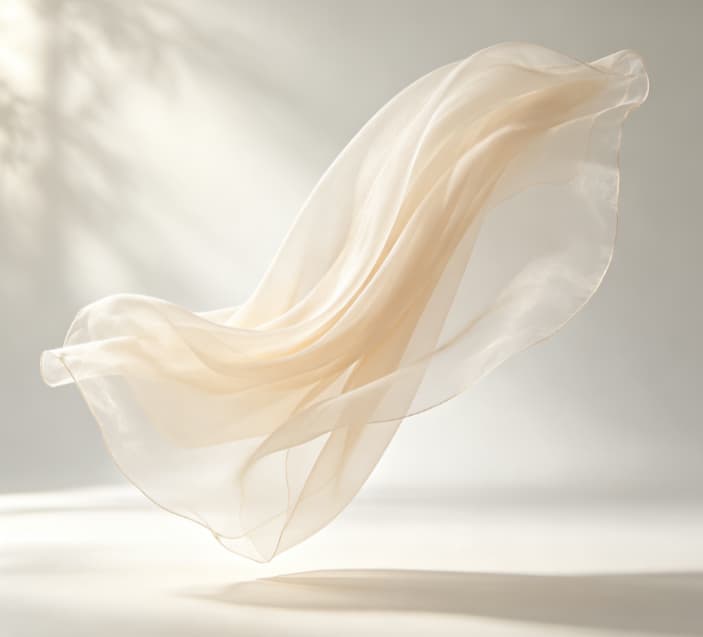
Traditional fusible interlinings may damage delicate fabrics through heat exposure or adhesive bleed-through. A non-ironing liner, however, applies cleanly without risking fabric distortion. It performs exceptionally well with chiffon, silk, modal, rayon, and other delicate materials.
Excellent Performance with Stretch and Knit Fabrics
The apparel industry’s growing emphasis on comfort and athleisure has increased demand for stretch fabrics. Non-ironing liners, especially knitted types, support these fabrics without restricting movement. They maintain elasticity and prevent sagging, ensuring long-term garment performance.
Applications of the Non-Ironing Liner Across Apparel Sectors
The versatility of the non-ironing liner has led to its widespread adoption across multiple garment categories.
Use in Casualwear, Shirts, and Dresses
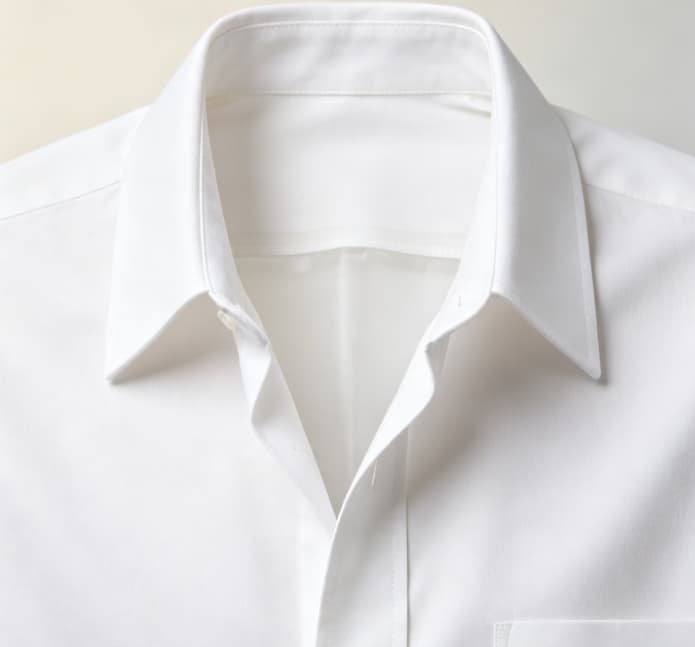
For everyday wear garments, the non-ironing liner provides soft yet supportive structure, preventing deformation and improving the quality appearance of collars, plackets, and button areas. Consumers appreciate the enhanced durability and maintenance ease.
Application in Uniforms, Workwear, and Corporate Apparel
Uniforms require durability, precision, and a clean structure. A non-ironing liner enhances these characteristics while supporting industrial-scale manufacturing. It maintains garment shape through frequent washing and heavy use.
Contribution to Apparel Comfort and Wearability
Modern garment consumers prioritize comfort alongside appearance. The non-ironing liner significantly enhances the wearer’s experience.
Improved Softness and Flexibility
Unlike rigid liners of the past, non-ironing liners are engineered to be soft and flexible. They improve garment drape and comfort, particularly in areas that come in direct contact with the skin. This ensures that garments feel natural and supportive rather than stiff.
Enhanced Breathability and Moisture Management
Advanced non-ironing liners are designed to maintain airflow and reduce moisture retention. These features are beneficial for warm-weather clothing, sportswear, and garments worn for long periods. Breathability contributes to overall wearer comfort and satisfaction.
Durability and Long-Term Performance
The durability of the non-ironing liner is one of its strongest competitive advantages.
Long-Lasting Structural Support
High-quality non-ironing liners maintain stable performance throughout the garment’s lifespan. They resist wear and tear, support repeated laundering, and maintain a consistent shape. This long-term integrity is a critical factor for premium and mass-market apparel.
Resistance to Chemical and Environmental Exposure
Garments often encounter detergents, friction, UV light, and body perspiration. The non-ironing liner is engineered to withstand these conditions without breaking down or losing its core properties. This makes it a reliable choice for garments requiring extended use.
Sustainability Aspects and Environmental Impact
Sustainability has become central in textile production. The non-ironing liner contributes to environmental goals in multiple ways.
Energy Savings Through Non-Heat Application
Since manufacturers do not need to use heat-pressing equipment, energy consumption is significantly reduced. Lower energy use helps decrease the overall carbon footprint of garment production.
Potential for Recyclable Fiber Use
Some non-ironing liners utilize recyclable polyester or materials derived from post-consumer waste. As textile recycling technology improves, the non-ironing liner will continue evolving toward greater sustainability.
Market Trends and Future Development of the Non-Ironing Liner
As consumer expectations for comfort, functionality, and convenience grow, demand for high-performance garment components like the non-ironing liner will continue rising.
Increased Adoption in High-Performance Apparel
As activewear, athleisure, and functional clothing dominate global fashion markets, the non-ironing liner becomes increasingly relevant. Its ability to support stretch, durability, and comfort makes it a preferred reinforcement material for next-generation garments.
Integration with Smart Textiles and Advanced Fabrics
The future of garment engineering involves integrating sensors, conductive fibers, and functional layers. The non-ironing liner is compatible with these innovations due to its flexibility, lightweight nature, and ease of application. It provides a stable base for advanced fabric technologies.