This comprehensive guide explores digital floral print fabric manufacturing, covering advanced printing technologies, sustainability certifications, bulk procurement specifications, and commercial applications. Designed for textile buyers, fashion brands, and home décor manufacturers seeking eco-conscious digital printing solutions with botanical design capabilities. The article provides quantified performance metrics, certification requirements, and procurement strategies for B2B buyers navigating the intersection of aesthetic design and environmental responsibility in textile sourcing.
Digital Textile Printing Technology for Floral Patterns
Reactive vs. Pigment Digital Printing Systems
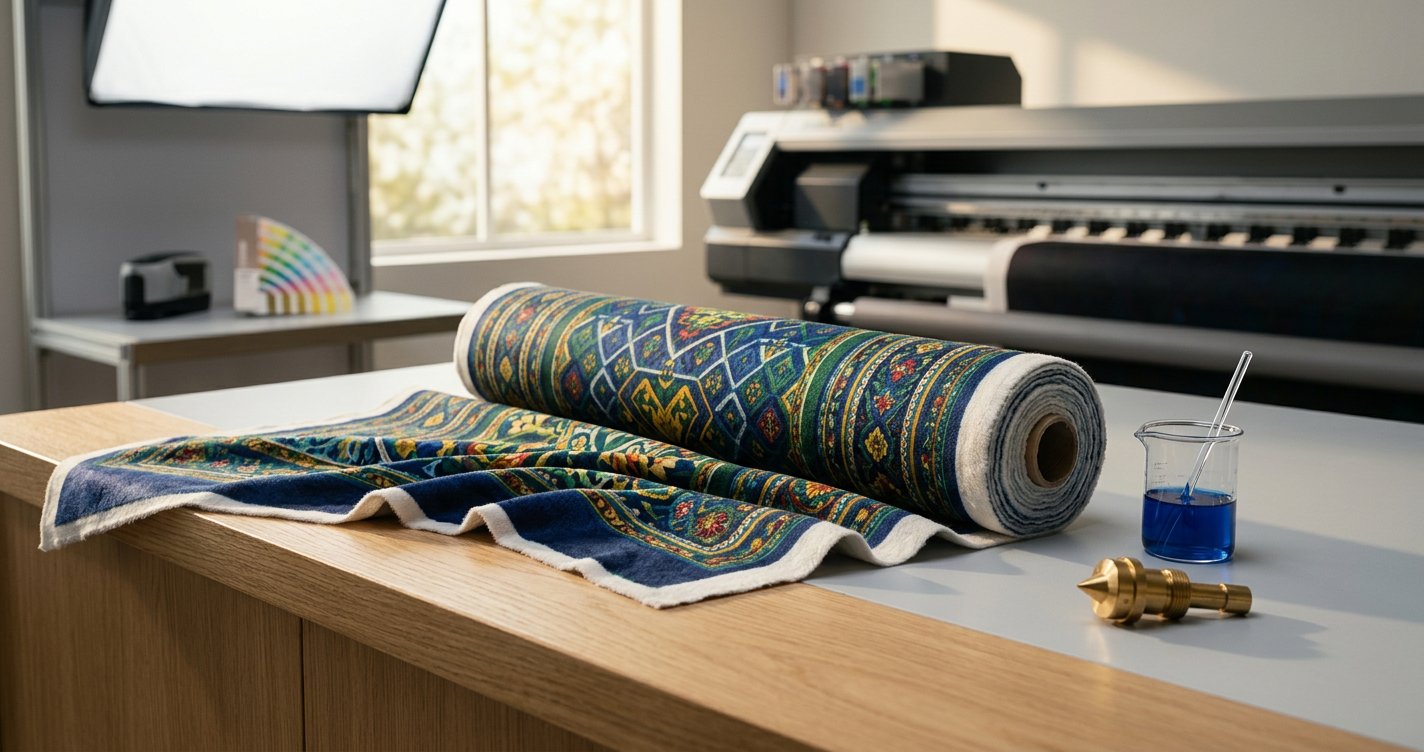
Digital printing systems for floral fabrics primarily utilize two chemical mechanisms: reactive dye technology and pigment printing. Reactive printing forms covalent bonds with cellulosic fibers (cotton, linen, viscose), delivering superior color fastness grades of 4-5 on ISO 105-C06 tests. This system requires pre-treatment with alkaline solutions and post-printing steaming at 102-105°C for 8-12 minutes, consuming approximately 15-20 liters of water per kilogram of fabric during washing phases.
Pigment printing encapsulates colorants in polymer binders, adhering mechanically to fiber surfaces. This method achieves cross-substrate compatibility—printing identically on polyester, cotton, and blends without chemistry adjustments. Water consumption drops to 2-5 liters per kilogram, as pigment systems eliminate washing steps. However, colorfastness typically reaches grade 3-4, with potential surface hand-feel changes due to binder layers.
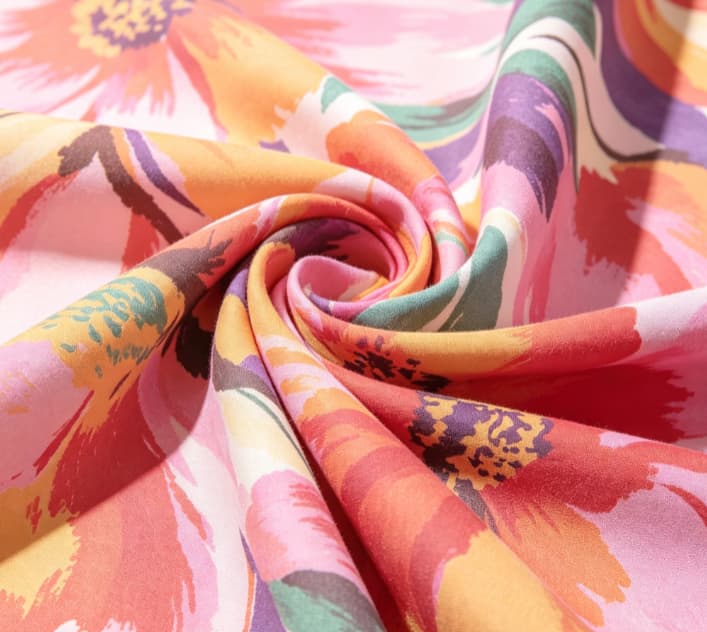
For floral motif reproduction, reactive systems excel in rendering botanical gradients and shadow details, achieving 16.7 million color variations through CMYK+RGB configurations. Pigment systems deliver sharper petal edge definition but may flatten tonal transitions in rose or peony designs. Water usage differential becomes critical for bulk orders: a 10,000-meter production run consumes 150-200 cubic meters less water with pigment technology compared to reactive systems.
Resolution Standards and Design File Requirements
Commercial digital textile printers operate at 600-1200 DPI (dots per inch), with 720 DPI representing the industry standard for wholesale floral prints. At this resolution, a 150cm-wide fabric accommodates designs with 4252 × 2835 pixel dimensions for seamless repeat patterns. Pattern repeat calculations follow the formula: Repeat Length (cm) = (Design Height in Pixels ÷ DPI) × 2.54. For a 60cm vertical repeat floral design at 720 DPI, the required file height equals 1701 pixels.
Color management protocols address the RGB-to-fabric color space conversion challenge. Design files submitted in sRGB or Adobe RGB profiles transform ICC (International Color Consortium) profiles calibrated to specific ink-substrate combinations. Pantone TCX references require spectrophotometer validation, as digital printing achieves 85-92% Pantone matching accuracy depending on substrate whiteness (CIE values above 80 yield optimal results).
File preparation best practices include:
- Vector formats (AI, EPS) for geometric floral elements to enable scaling without resolution loss
- Raster files (TIFF, PSD) at 300 DPI minimum for photographic botanical images
- Color separation into spot channels for metallic or fluorescent accent integration
- Bleed margins of 2-5cm for roll-to-roll printing alignment tolerances
Pre-production strike-offs (sample prints) validate color accuracy before full production runs, typically requiring 3-5 business days and costing $50-150 per colorway, depending on substrate complexity.
Sustainability Framework in Digital Fabric Printing
Eco-Certification Compliance (GOTS, OEKO-TEX, bluesign®)
Global Organic Textile Standard (GOTS) certification mandates that 95% of fibers derive from certified organic agriculture, with digital inks meeting strict chemical input criteria. Prohibited substances include azo dyes releasing carcinogenic amines, heavy metals (lead, cadmium, chromium VI), and formaldehyde levels exceeding 75 ppm. GOTS-compliant digital printing facilities undergo annual audits verifying wastewater treatment systems achieving COD (Chemical Oxygen Demand) reduction below 150 mg/L.
OEKO-TEX Standard 100 focuses on end-product safety, testing for 100+ regulated substances across four product classes. Class I (baby products) enforces the strictest limits—pH values between 4.0-7.5 and extractable heavy metal content below 0.2 ppm for lead. Digital floral print fabrics targeting apparel markets typically pursue Class II certification, requiring colorfastness to washing ≥3-4 and saliva resistance for children’s garments.
bluesign® system certification evaluates the entire production chain, assigning each chemical input a “bluefinder” score. Approved digital inks must demonstrate:
- VOC (Volatile Organic Compound) emissions <0.1% by weight
- Biodegradability rates >60% within 28 days (OECD 301 test)
- Aquatic toxicity LC50 values >100 mg/L for Daphnia magna species
B2B buyers should request Certificate of Conformity (CoC) documentation specifying certification scope—whether covering inks only or the complete printed fabric. Multi-certification strategies (GOTS + OEKO-TEX) provide market access advantages, particularly for EU markets enforcing REACH regulation compliance.
| Certification | Focus Area | Audit Frequency | Key Restrictions | Target Markets |
|---|---|---|---|---|
| GOTS | Organic fiber content + processing | Annual | 95% organic fiber, banned chemicals list | EU, US organic retailers |
| OEKO-TEX 100 | End-product safety | Annual | 100+ substance limits, pH control | Global apparel/home textiles |
| bluesign® | Input stream management | Biennial | Chemical scoring, VOC limits | Premium sustainable brands |
Water & Energy Efficiency Metrics
Digital printing systems consume 40-60% less water compared to traditional rotary screen printing. Quantified benchmarks per 1000 linear meters of fabric production:
Traditional Screen Printing:
- Pre-treatment: 800-1200 liters
- Dye application: 1500-2000 liters
- Washing/rinsing: 3000-4500 liters
- Total: 5300-7700 liters
Digital Reactive Printing:
- Pre-treatment: 600-800 liters
- Steaming condensate: 400-600 liters
- Washing: 1200-1800 liters
- Total: 2200-3200 liters (58% reduction)
Digital Pigment Printing:
- Pre-treatment: 200-400 liters
- Curing (no water): 0 liters
- Minimal rinsing: 100-200 liters
- Total: 300-600 liters (92% reduction)
Energy consumption patterns shift from thermal (steam generation) to electrical (print head operation, UV curing). Digital systems require 0.8-1.2 kWh per kilogram of fabric versus 2.5-3.5 kWh for screen printing, translating to 65% energy savings. Carbon footprint analysis shows digital floral print production generates 1.2-1.8 kg CO₂e per meter compared to 3.5-4.2 kg CO₂e for conventional methods—a reduction aligned with Science Based Targets initiative (SBTi) benchmarks.
Waste reduction metrics include:
- Zero dye kitchen waste (no batch mixing residues)
- 95% reduction in printing paste disposal
- Eliminated screen cleaning solvents (300-500 liters per pattern change)
Bulk Procurement Specifications for Floral Print Fabric
MOQ, Lead Times, and Quality Assurance Protocols
Minimum Order Quantities (MOQ) for digital floral print fabrics vary by customization level:
- Stock designs: 300-500 meters per colorway
- Semi-custom (color modifications): 800-1200 meters
- Fully custom artwork: 1500-3000 meters
These thresholds reflect digital printing’s setup advantages—no screen engraving costs enable lower MOQs compared to traditional printing’s 5000-10,000 meter minimums. However, substrate procurement economics favor larger orders: fabric mills typically require 3000+ meter commitments for greige (unprinted) goods, creating a practical floor for cost-effective custom orders.
Production lead times follow this timeline:
- Design approval: 3-5 business days (includes strike-off)
- Greige fabric procurement: 15-25 days (varies by fiber type)
- Printing & finishing: 7-12 days per 5000 meters
- Quality inspection: 2-3 days
- Total: 27-45 days from order confirmation to shipment
Expedited services reduce timelines by 30-40% with premium pricing (15-25% surcharge).
Quality assurance protocols include:
- Four-point inspection system: Defects scored by size (1-4 points per 100 square yards), with acceptance threshold <40 points per roll
- Colorfastness testing: ISO 105-C06 (washing), ISO 105-B02 (light), ISO 105-E04 (perspiration)
- Dimensional stability: Maximum shrinkage 3% for cotton, 2% for synthetics (AATCC 135 test)
- Print registration accuracy: ±2mm tolerance for multi-layer floral designs
Third-party inspection services (SGS, Bureau Veritas) cost $200-400 per shipment, providing independent verification for international buyers.
Substrate Options and Performance Parameters
Digital floral prints adapt to diverse base fabrics, each offering distinct performance profiles:
Cotton substrates (100% or cotton-rich blends) dominate fashion and home textile applications. Poplin (100-120 GSM) provides crisp hand-feel for shirt dresses with botanical prints, while sateen (180-220 GSM) delivers luxurious drape for bedding collections. Reactive inks achieve optimal bonding with cotton’s hydroxyl groups, yielding wash durability exceeding 50 cycles at 60°C without significant color loss.
Polyester fabrics enable performance features—moisture-wicking jersey (150-180 GSM) for activewear with floral accents, and taffeta (70-90 GSM) for linings in outerwear. Disperse dye-based digital printing on polyester requires heat fixation at 180-210°C, producing colorfastness grades of 4-5 with minimal water consumption.
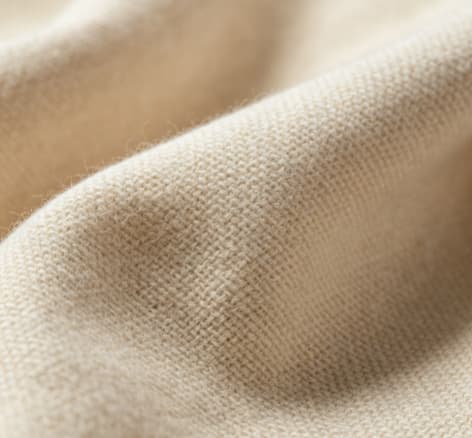
Linen and linen-blend substrates (200-280 GSM) cater to premium home décor markets, though their irregular yarn structure demands higher DPI settings (900-1200) to maintain floral detail clarity. Natural slubs characteristic of linen create organic texture variations in botanical prints.
| Material Type | GSM Range | Printing Method | Wash Durability | Shrinkage Rate | Price Tier ($/meter) |
|---|---|---|---|---|---|
| Cotton Poplin | 100-120 | Reactive | 50+ cycles @60°C | 2-3% | $3.50-5.20 |
| Cotton Sateen | 180-220 | Reactive | 40+ cycles @40°C | 3-4% | $5.80-8.40 |
| Polyester Jersey | 150-180 | Disperse/Pigment | 100+ cycles @40°C | <1% | $4.20-6.50 |
| Linen Blend (55/45) | 200-240 | Reactive | 30+ cycles @30°C | 4-5% | $8.50-12.00 |
| Viscose Twill | 140-160 | Reactive | 35+ cycles @30°C | 5-6% | $4.80-7.20 |
Performance parameter verification includes:
- Tensile strength: ASTM D5034 (minimum 200N for apparel fabrics)
- Pilling resistance: ISO 12945-2 (grade 3-4 minimum for upholstery)
- Abrasion resistance: ISO 12947 (Martindale method, 15,000+ cycles for commercial use)
Commercial Applications and Market Positioning
Target Industries (Fashion, Home Textiles, Hospitality)
Fashion industry applications span ready-to-wear collections, where digital floral prints enable rapid response to trend forecasting. Fast-fashion brands leverage 4-6 week production cycles for seasonal botanical capsules, while luxury segments utilize custom prints for limited-edition pieces. Key product categories include:
- Apparel: Maxi dresses, blouses, and kimono jackets with oversized floral motifs
- Accessories: Scarves (silk-touch polyester), tote bags (canvas)
- Swimwear: Chlorine-resistant polyester with tropical prints
Home textile markets consume 40-45% of digital floral print production volume. Applications include:
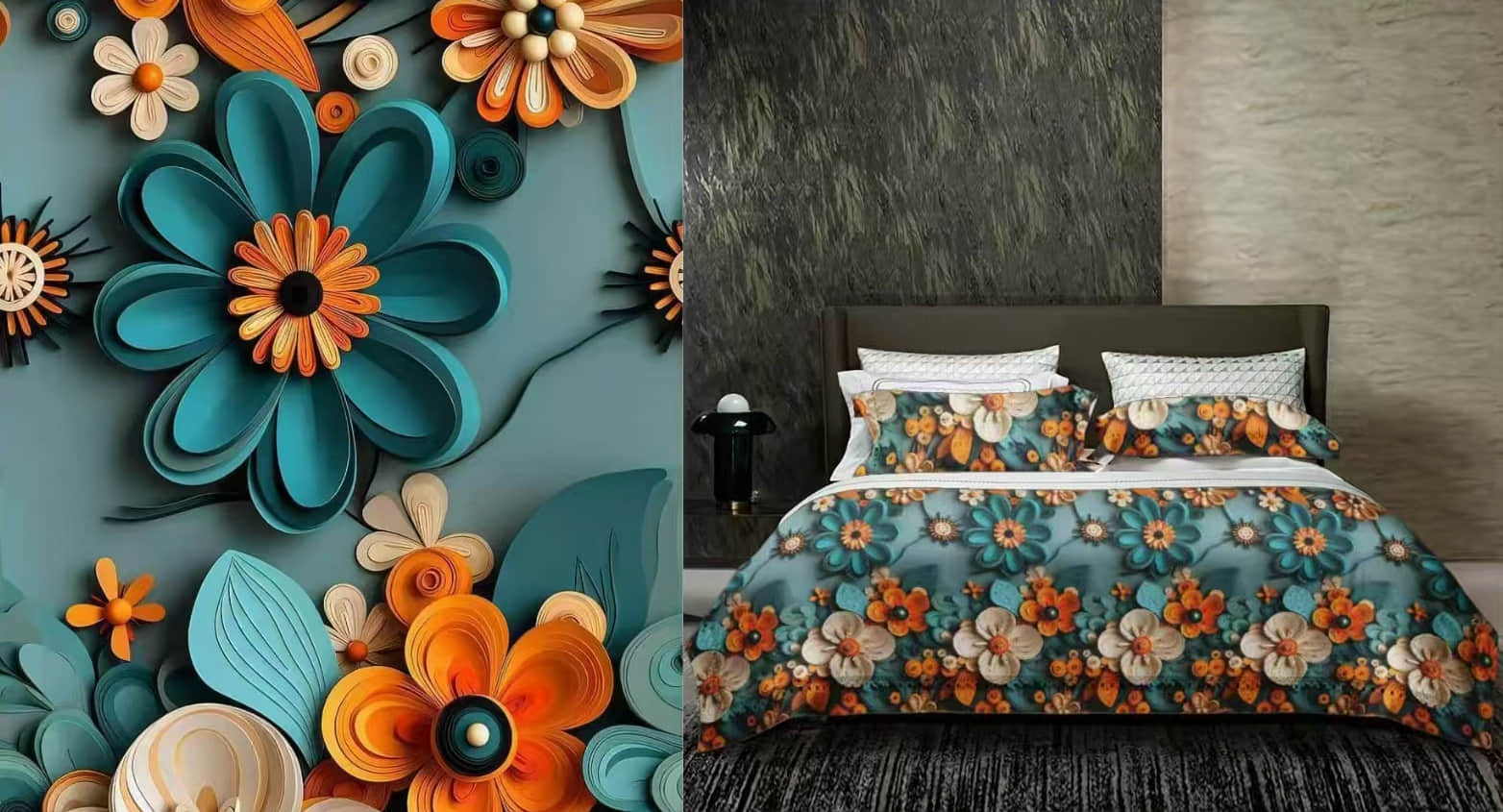
- Bedding: Duvet covers, pillowcases (200+ thread count cotton sateen)
- Curtains/Drapery: Blackout polyester (250-300 GSM) with botanical patterns
- Upholstery: Heavy-weight cotton-linen blends (300-400 GSM) with stain-resistant finishes
Hospitality sector demands meet stringent fire safety standards—FR (flame retardant) treatments achieving NFPA 701 or BS 5867 compliance. Hotel chains order coordinated floral print programs across bedding, window treatments, and accent pillows, with typical order volumes of 5000-15,000 meters per property refresh cycle.
Seasonal demand patterns show peaks in Q1 (spring/summer collections) and Q3 (holiday home décor), with production planning requiring 90-120-day lead times for major retail programs. Design customization capabilities include color palette adjustments (typically 5-8 colorways per base design), scale modifications (±20-40%), and motif repositioning to accommodate specific garment cutting layouts.
Pricing Models and Volume Discount Structures
Cost-per-meter calculations for digital floral print fabric incorporate:
- Base fabric cost: $1.50-6.00/meter (varies by fiber type and GSM)
- Printing cost: $2.00-4.50/meter (depends on ink coverage and resolution)
- Finishing: $0.80-1.50/meter (heat setting, softening, optional treatments)
- Total landed cost: $4.30-12.00/meter (before volume discounts)
Tiered pricing thresholds typically follow this structure:
- 500-1500 meters: List price
- 1500-5000 meters: 8-12% discount
- 5000-10,000 meters: 15-20% discount
- 10,000+ meters: 22-28% discount + negotiated terms
International payment terms for wholesale buyers:
- 30% deposit upon order confirmation
- 70% balance against Bill of Lading copy (for sea freight)
- Letter of Credit accepted for orders >$50,000 (adds 0.5-1.5% bank fees)
- Net 30-60 terms available for established clients with trade references
Additional cost factors include:
- Sampling: $80-150 per colorway (credited against production orders >3000 meters)
- Custom color matching: $200-350 per Pantone reference
- Special finishes: Water-repellent (+$0.60/m), anti-microbial (+$0.85/m), UV protection (+$0.75/m)
Freight cost optimization strategies recommend full container loads (FCL) for orders exceeding 8000 meters—a 20ft container accommodates approximately 12,000-15,000 meters of rolled fabric, reducing per-meter shipping costs by 40-55% compared to LCL (less than container load) rates.
Digital floral print fabrics represent the convergence of aesthetic versatility, environmental responsibility, and commercial efficiency in modern textile manufacturing. The technology’s competitive advantages—40-92% water reduction, 65% energy savings, and flexible MOQs starting at 1500 meters—address both sustainability mandates and fast-fashion cycle demands. Key selection criteria for bulk buyers include substrate-ink compatibility verification, certification portfolio alignment with target markets (GOTS for organic claims, OEKO-TEX for retailer compliance), and total landed cost analysis incorporating volume discounts and freight optimization.
Future trends indicate growth in bio-based ink formulations (algae-derived pigments, bacterial cellulose binders) and AI-driven design systems generating seasonal floral patterns from trend forecasting algorithms. On-demand printing infrastructure will further reduce MOQs, potentially reaching 100-300 meter commitments through distributed micro-factory networks. Buyers prioritizing supply chain resilience should evaluate suppliers’ multi-substrate capabilities and redundant production capacity to mitigate single-source risks in botanical textile programs.