In apparel manufacturing, interlining rarely gets the attention it deserves. It is hidden inside garments, invisible to consumers, and often treated as a secondary decision made late in the production process. Yet anyone who has dealt with fit issues, shape collapse, or inconsistent garment structure knows that interlining choices can quietly determine whether a product feels refined or merely assembled.
The D-Line.D Mid-Range Interlining Series exists in this exact reality. It is not positioned as a premium, niche solution, nor is it designed to compete at the lowest cost level. Instead, it targets a far more common and demanding need in modern apparel production: stable performance, predictable behavior, and reasonable cost control at scale.
The Reality of Mid-Range Interlining in Today’s Garment Industry
The term “mid-range” is sometimes misunderstood. In practice, mid-range interlining is not about compromise; it is about balance. Most apparel manufacturers operate under tight margins, variable order volumes, and diverse end-use requirements. They need interlining that performs consistently across different styles, fabrics, and production runs without forcing constant adjustment.
The D-Line.D Mid-Range Interlining Series reflects this reality. It is designed for manufacturers who value reliability over extremes. Instead of chasing ultra-lightweight or ultra-rigid specifications, this series focuses on structural support that works across a wide range of garments, from everyday apparel to structured outerwear.
This positioning aligns closely with how interlining is actually used on factory floors rather than how it is described in catalogs.
Why Practicality Matters More Than Specification Extremes
In theory, interlining selection can be reduced to numbers: weight, thickness, bonding temperature, and adhesive density. In real production, these numbers only matter if they translate into stable results.
One of the defining strengths of the D-Line.D Mid-Range Interlining Series is its predictable behavior during processing. Cutting, fusing, and sewing processes place stress on interlining long before a garment is worn. If an interlining shifts, shrinks, or reacts inconsistently to heat, problems appear quickly and expensively.
This series is engineered to minimize such surprises. Its performance profile supports smooth integration into standard garment production lines without requiring specialized equipment or constant parameter adjustments. For manufacturers managing multiple styles or seasonal collections, this stability becomes a practical advantage rather than a technical detail.
Structural Support That Matches Modern Apparel Design
Modern apparel design often sits between two extremes. Garments are expected to hold their shape, but not feel rigid. They must look structured, yet remain comfortable during daily wear. This creates a narrow performance window for interlining.
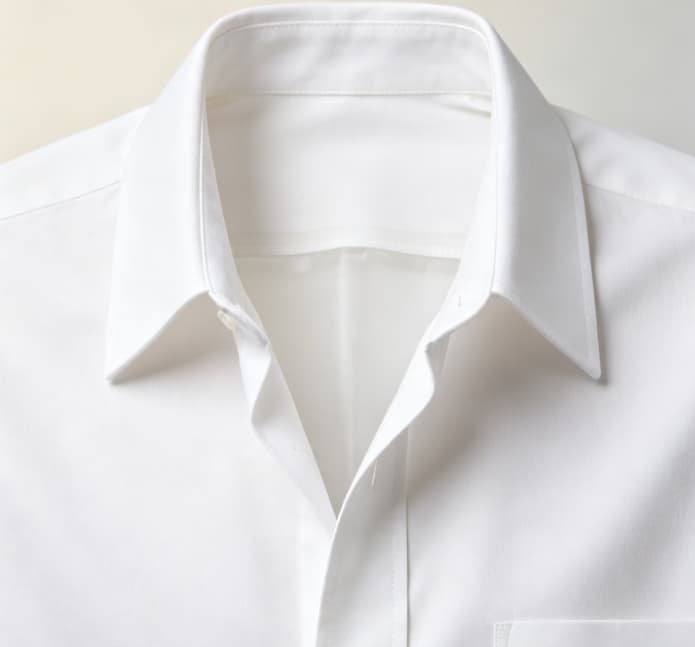
The D-Line.D Mid-Range Interlining Series is suited to this middle ground. It provides sufficient support to collars, plackets, waistbands, and front panels without overpowering the outer fabric. This balance allows designers and technicians to maintain intended silhouettes while preserving fabric drape and natural movement.
For woven garments in particular, mid-range interlining helps stabilize shape without introducing stiffness that feels outdated or industrial. This makes the series adaptable across casual wear, business apparel, and uniform-style garments.

Consistency Across Production Batches
One of the less visible challenges in apparel manufacturing is batch-to-batch consistency. Even small variations in interlining behavior can lead to noticeable differences in finished garments, especially when production spans multiple runs.
The D-Line.D Mid-Range Interlining Series is positioned to support long-term production planning. By maintaining consistent structure and bonding performance, it reduces the risk of unexpected deviations between batches. This is especially valuable for brands and manufacturers supplying repeat styles or replenishment orders.
Consistency also simplifies quality control. When interlining behaves predictably, inspection focuses on garment construction rather than tracing hidden material variables.
Adaptability to Different Garment Categories
Although interlining is often specified by garment type, production reality is rarely so clean. Manufacturers frequently adapt materials across multiple categories to streamline sourcing and inventory.
The D-Line.D Mid-Range Interlining Series supports this approach. Its balanced performance allows it to be used across a range of apparel products without forcing dramatic design or process changes.
Structured casual shirts and blouses require clean lines
Outerwear components needing shape retention without excessive stiffness
Workwear and uniforms where durability and consistency matter more than delicacy
This adaptability makes the series especially practical for manufacturers serving diverse clients or fluctuating order profiles.
Cost Control Without Sacrificing Reliability
Cost pressure is a constant factor in apparel production, but reducing material cost often leads to hidden expenses later in the process. Interlining that saves a small amount per meter but increases defect rates or rework costs quickly becomes a false economy.
The D-Line.D Mid-Range Interlining Series is positioned to avoid this trap. Its value lies not in being the cheapest option, but in reducing downstream risk. Stable fusing behavior, controlled shrinkage, and reliable support help prevent quality issues that are far more expensive than material differences.
For mid-scale and large-scale manufacturers, this reliability supports predictable costing and smoother production scheduling.
Why Mid-Range Interlining Remains the Industry Workhorse
While premium interlining solutions have their place, most garments sold globally fall into the mid-market segment. These products demand dependable performance rather than specialized features.
The D-Line.D Mid-Range Interlining Series aligns with this reality. It supports the kind of garments that must look correct, feel comfortable, and survive repeated wear and care without calling attention to the materials behind them.
In modern apparel production, practicality is not a limitation. It is a strategy. Interlining that performs quietly and consistently allows designers, technicians, and manufacturers to focus on what truly differentiates their products.
By meeting the everyday demands of contemporary garment manufacturing, the D-Line D Mid-Range Interlining Series earns its place not as a highlight, but as a dependable foundation within the production process.