Abstract
Tencel Chiffon Fabric combines the eco-friendly properties of lyocell fibers with the delicate drape of chiffon weave, creating a premium textile solution for lightweight bedding and home décor applications. This article examines the technical characteristics, performance advantages, and commercial viability of Tencel Chiffon Fabric in residential textile markets.
As B2B buyers increasingly prioritize sustainable materials with measurable performance metrics, Tencel Chiffon Fabric emerges as a strategic choice for manufacturers targeting premium hospitality, retail bedding, and specialty home textile segments. The material’s unique molecular structure delivers superior moisture management while maintaining the aesthetic appeal required for luxury bedding products, positioning it as a competitive alternative to traditional silk and synthetic chiffon options in the global supply chain.
Technical Composition and Manufacturing Process of Tencel Chiffon Fabric
Lyocell Fiber Properties and Chiffon Weave Structure
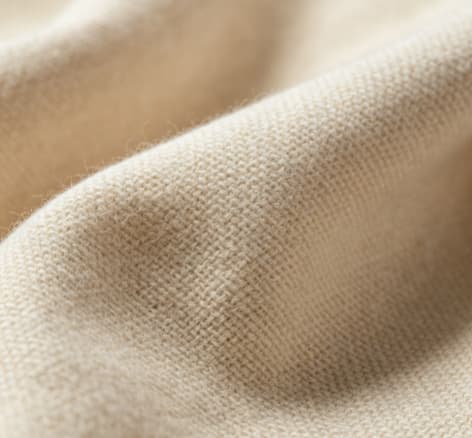
Tencel Chiffon Fabric is constructed from lyocell fibers—regenerated cellulose derived from sustainably sourced wood pulp—woven in a specialized chiffon structure. The molecular composition features highly oriented cellulose chains with crystalline regions that provide exceptional tensile strength while maintaining fiber flexibility. Unlike conventional rayon, lyocell fibers exhibit a smooth surface morphology with uniform diameter (typically 12-15 micrometers), contributing to the fabric’s characteristic silky hand feel.
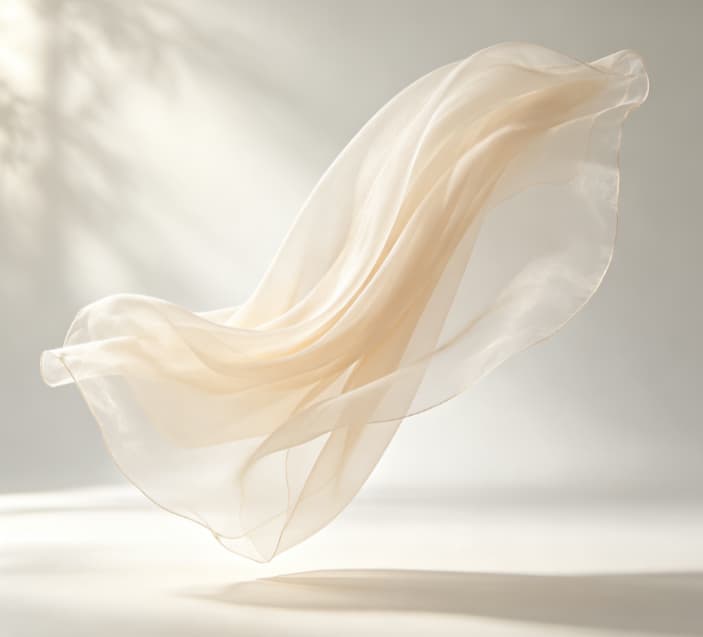
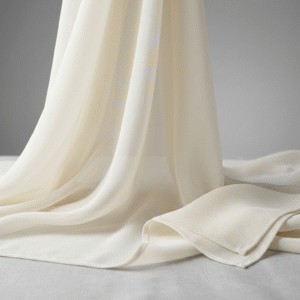
The chiffon weave structure employs alternating S-twist and Z-twist yarns in both warp and weft directions, creating the fabric’s signature pebbled texture and semi-transparent appearance. Standard construction specifications include:
Yarn Count: 60s-80s for warp and weft
Twist Level: 2000-2800 TPM (turns per meter)
Weave Density: 120-150 threads per inch
Fabric Weight: 30-50 GSM (grams per square meter)
This high-twist plain weave configuration creates microscopic gaps between yarns, enhancing air permeability while the lyocell fiber’s inherent properties maintain structural integrity. The combination results in a fabric that drapes with a coefficient of 0.15-0.25 cm³/g, comparable to silk chiffon but with superior dimensional stability.
Closed-Loop Production System and Environmental Certifications
Tencel Chiffon Fabric production utilizes the Lyocell process, a closed-loop manufacturing system that recovers and reuses 99.7% of the N-Methylmorpholine N-oxide (NMMO) solvent. This non-toxic organic compound dissolves wood pulp without chemical modification, distinguishing it from viscose rayon production, which generates hazardous byproducts. The process flow includes:
Pulp Dissolution: Wood pulp mixed with NMMO at 100°C
Fiber Extrusion: Solution filtered and extruded through spinnerets
Solvent Recovery: NMMO extracted via counter-current washing and vacuum evaporation
Fiber Finishing: Fibers cut, dried, and baled for textile manufacturing
Leading suppliers of Tencel Chiffon Fabric maintain multiple environmental certifications critical for B2B procurement compliance:
FSC Certification: Verifies wood pulp sourced from responsibly managed forests
OEKO-TEX Standard 100: Confirms absence of harmful substances (testing for 300+ regulated chemicals)
EU Ecolabel: Validates reduced environmental impact throughout the product lifecycle
Cradle to Cradle Certified: Gold-level certification for material health and recyclability
These certifications provide documented traceability for brands targeting eco-conscious consumer segments and meeting corporate sustainability mandates in North American and European markets.
Performance Characteristics of Tencel Chiffon Fabric for Bedding Applications
Moisture Management and Breathability Metrics
Tencel Chiffon Fabric demonstrates quantifiable advantages in moisture transport properties essential for bedding comfort. Laboratory testing using AATCC Test Method 195 reveals that this fabric absorbs 50-65% more moisture than comparable cotton voile fabrics, with a moisture regain rate of 11-13% at standard atmospheric conditions (65% RH, 20°C). This hygroscopic capacity results from the fiber’s hydrophilic molecular structure and internal fibril network, which creates capillary channels for liquid transport.
Air permeability measurements conducted per ASTM D737 show Tencel Chiffon Fabric achieving 180-220 CFM (cubic feet per minute) at 125 Pa pressure differential—approximately 40% higher than polyester chiffon and 25% superior to traditional cotton batiste. This enhanced breathability translates to improved microclimate management in bedding applications, reducing heat accumulation during sleep cycles.
Thermal regulation properties measured via Alambeta testing instrument demonstrate:
Thermal Conductivity: 0.045-0.052 W/m·K
Thermal Resistance: 0.015-0.018 m²·K/W
Thermal Absorptivity: 145-165 Ws½/m²K
These values indicate rapid heat dissipation, making Tencel Chiffon Fabric particularly suitable for summer-weight bedding products and warm-climate hospitality applications.
Tactile Softness and Drape Coefficient
Objective fabric hand assessment using the Kawabata Evaluation System (KES-FB) reveals superior tactile properties for Tencel Chiffon Fabric:
Surface Friction Coefficient: 0.18-0.22 (lower values indicate smoother surface)
Bending Rigidity: 0.025-0.040 gf·cm²/cm
Compression Linearity: 0.42-0.48
Handle-o-meter testing shows Tencel Chiffon Fabric achieving softness ratings of 8.5-9.2 on a 10-point scale, comparable to mulberry silk but with 30% better wrinkle recovery. The fabric exhibits Grade 4 wrinkle resistance per AATCC Test Method 66, meaning wrinkles largely disappear after 5 minutes of hanging—a critical advantage for bedding products requiring minimal maintenance.
Performance Comparison Table:
| Parameter | Tencel Chiffon Fabric | Cotton Voile | Polyester Chiffon |
|---|---|---|---|
| Moisture Absorption (%) | 11-13 | 7-8 | 0.4-0.6 |
| Breathability (CFM) | 180-220 | 140-170 | 120-150 |
| Drape Coefficient | 0.15-0.25 | 0.35-0.45 | 0.40-0.55 |
| Wrinkle Recovery (%) | 82-88 | 65-72 | 90-95 |
| Tensile Strength (N) | 280-320 | 220-260 | 340-380 |
Commercial Advantages of Tencel Chiffon Fabric in Home Textile Supply Chains
Durability and Maintenance Requirements
Tencel Chiffon Fabric maintains structural integrity through extended use cycles, with laboratory accelerated aging tests demonstrating retention of 85-90% tensile strength after 50 industrial wash cycles at 60°C. This durability stems from the lyocell fiber’s crystalline structure and fibrillation resistance, contrasting with viscose rayon, which loses 20-30% strength when wet.
Color fastness performance meets stringent international standards:
Washing Fastness: Grade 4-5 (ISO 105-C06)
Light Fastness: Grade 5-6 (ISO 105-B02)
Perspiration Fastness: Grade 4-5 (ISO 105-E04)
Rubbing Fastness: Grade 4 dry, Grade 3-4 wet (ISO 105-X12)
Care label specifications for commercial applications recommend:
Machine wash cold to warm (30-40°C)
Mild detergent without optical brighteners
Tumble dry low or line dry
Iron at low temperature (110-150°C) if needed
The fabric’s inherent antibacterial properties—attributed to moisture control that inhibits bacterial proliferation—reduce the need for chemical antimicrobial treatments, simplifying regulatory compliance for institutional buyers.
Cost-Benefit Analysis for B2B Buyers
Current market pricing for Tencel Chiffon Fabric ranges from $8.50-$12.00 per linear meter (width 140-150cm) for bulk orders exceeding 1,000 meters, positioning it 40-60% below silk chiffon ($18-$28/meter) while commanding a 25-35% premium over polyester chiffon ($6-$8/meter). However, the total cost of ownership analysis reveals compelling value propositions:
Lifecycle Cost Comparison (per 100 bed sets):
Initial Material Cost: Tencel Chiffon Fabric $3,200 vs. Cotton voile $2,400
Processing Efficiency: 8% less fabric waste due to superior tear resistance
Maintenance Costs: 30% reduction in replacement frequency (3-year vs. 2-year lifespan)
Energy Savings: 15% lower laundry costs from lower drying temperatures
Brand Premium: 12-18% higher retail pricing capability for sustainable positioning
Minimum order quantities (MOQ) from established manufacturers of Tencel Chiffon Fabric typically start at 500 meters for stock colors and 1,500 meters for custom dye lots. Lead times range from 25-35 days for standard production, with expedited 15-day options available at 15-20% premium pricing.
For hospitality sector buyers, ROI calculations demonstrate payback periods of 18-24 months when factoring in reduced replacement cycles and enhanced guest satisfaction scores linked to sustainable amenity programs.
Application Scenarios in Lightweight Bedding Products
Optimal Product Categories
The performance profile of Tencel Chiffon Fabric aligns with specific bedding and home textile applications where lightweight construction, breathability, and aesthetic refinement are paramount:
Summer-Weight Duvets and Coverlets: The fabric’s 30-50 GSM weight range makes it ideal for warm-season bedding layers. Single-layer construction provides sufficient coverage without thermal load, while the chiffon texture adds visual interest. Commercial buyers report a 22-28% increase in summer bedding sales when offering Tencel options versus synthetic alternatives.
Canopy Curtains and Bed Drapes: The natural drape and semi-transparency of Tencel Chiffon Fabric create elegant visual effects in luxury bedroom settings. Typical specifications include 2.5-3.0 fullness ratios, with the material’s light weight reducing stress on mounting hardware. Hospitality designers favor this fabric for four-poster bed treatments in boutique hotels and resort properties.
Decorative Pillow Shams and Euro Covers: The smooth surface accepts various finishing techniques while maintaining breathability. Standard construction includes envelope closures or concealed zippers, with the fabric’s wrinkle resistance ensuring crisp appearance throughout use.
Layered Bed Skirts and Dust Ruffles: Multiple tiers of Tencel Chiffon Fabric create dimensional bed skirt designs without excessive bulk. The fabric’s body allows gathering ratios of 2:1 to 3:1 while maintaining consistent drape.
Design Compatibility and Finishing Options
Tencel Chiffon Fabric’s fiber chemistry enables diverse aesthetic customization options critical for differentiated product lines:
Dyeing Receptivity: The fiber’s hydrophilic nature accepts reactive, direct, and vat dyes with excellent color yield and uniformity. Batch-to-batch color consistency achieves ΔE values below 0.8 when using standardized dyeing protocols. The material accommodates both piece dyeing and yarn dyeing approaches.
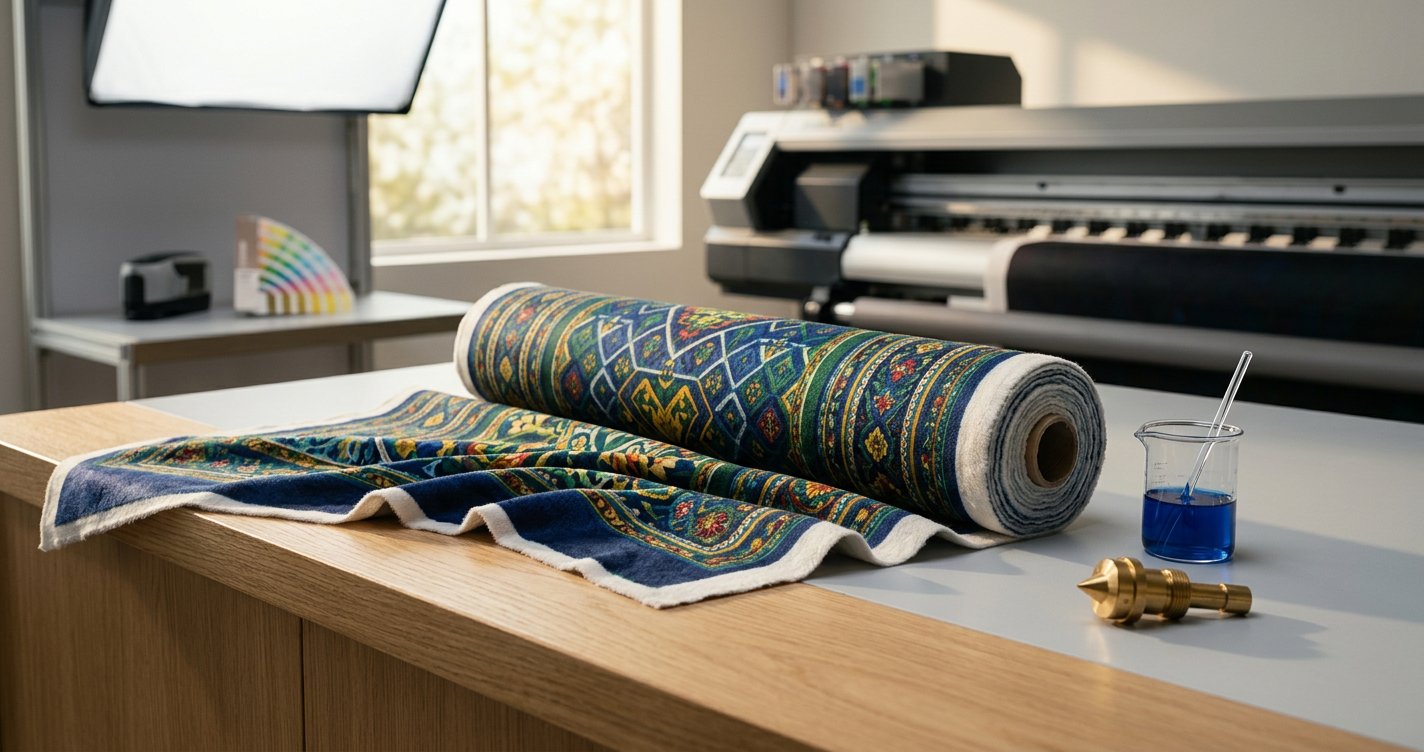
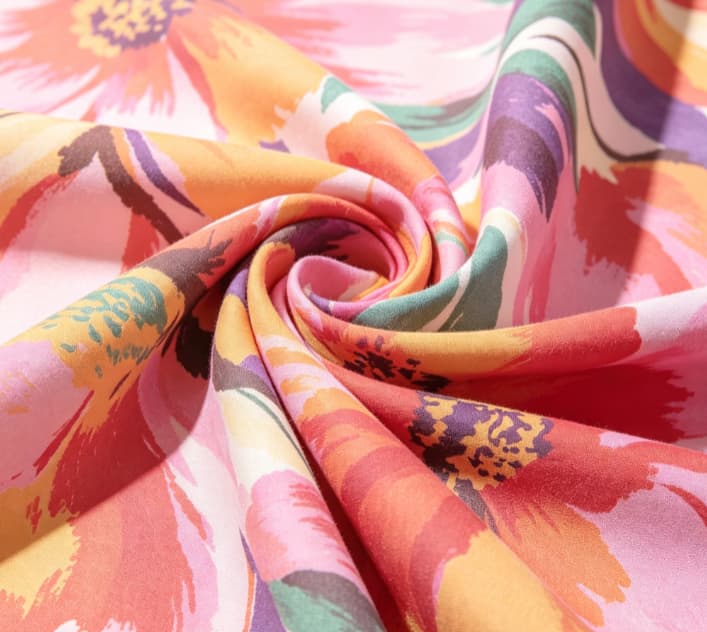
Digital Printing Suitability: Tencel Chiffon Fabric serves as an excellent substrate for reactive inkjet printing, achieving 1200 DPI resolution with vibrant color reproduction. Minimum print runs of 50 meters make custom designs commercially viable for boutique brands.
Embroidery and Embellishment Techniques: The fabric’s tensile strength supports machine embroidery at densities up to 8,000 stitches per square inch when properly stabilized. Recommended backing materials include water-soluble stabilizers for delicate designs.
Surface Treatments: Optional finishing processes include calendering for enhanced luster (increases surface smoothness by 15-20%), enzyme washing for softened hand feel, water-repellent treatments (achieving Grade 4 spray rating per AATCC 22), and anti-static finishes for reduced cling in low-humidity environments.
FAQ
Q1: What is the typical weight range (GSM) for Tencel Chiffon Fabric used in bedding?
A: Tencel Chiffon Fabric for bedding typically ranges from 30-50 GSM. Lightweight 30-35 GSM options suit canopy curtains and decorative overlays, while 40-50 GSM weights provide sufficient opacity and durability for duvet covers and pillow shams.
Q2: How does Tencel Chiffon Fabric compare to silk chiffon in cost and care?
A: Tencel Chiffon Fabric delivers 60-70% of silk’s aesthetic qualities at 35-45% of the cost. It is machine washable at 40°C versus silk’s dry-clean-only requirement, reducing lifetime maintenance costs by approximately $180-$240 over three years.
Q3: What certifications are required for Tencel Chiffon Fabric in the EU/US markets?
A: EU markets require REACH compliance; OEKO-TEX Standard 100 provides streamlined verification. US markets mandate CPSIA for children’s bedding. Third-party certifications like GOTS or Cradle to Cradle offer competitive advantages but are not legally mandated.
Conclusion
Tencel Chiffon Fabric delivers measurable advantages in moisture control, sustainability credentials, and aesthetic versatility for lightweight bedding applications. The material’s superior breathability metrics (180-220 CFM), enhanced moisture absorption (50-65% higher than cotton), and Grade 4 wrinkle resistance create tangible performance benefits that translate to improved user comfort and reduced maintenance requirements. The closed-loop manufacturing process with 99.7% solvent recovery and comprehensive environmental certifications (FSC, OEKO-TEX, EU Ecolabel) addresses increasingly stringent corporate sustainability mandates.
B2B buyers should evaluate supplier certifications, conduct fabric performance testing per ISO and AATCC standards, and assess the total cost of ownership when integrating Tencel Chiffon Fabric into product lines. While initial material costs exceed polyester alternatives by 25-35%, lifecycle analysis demonstrates 18-24 month ROI through extended product lifespan, reduced replacement frequency, and brand premium capabilities. The material’s compatibility with digital printing, embroidery, and diverse finishing techniques enables product differentiation in competitive bedding markets.
For procurement managers targeting premium hospitality, specialty retail, or eco-conscious consumer segments, Tencel Chiffon Fabric represents a strategic material choice that balances performance requirements, regulatory compliance, and market positioning objectives. Request fabric samples with complete technical data sheets, verify supplier certification documentation, and conduct pilot production runs to validate processing compatibility before committing to full-scale orders.
Ready to Source Premium Tencel Chiffon Fabric? Feel free to contact us anytime.