Human skin is remarkably complex, and the skin of infants is even more delicate. A newborn’s skin barrier is thinner than that of adults and loses moisture more easily. Because of this, materials that come into contact with baby skin must meet higher standards for comfort, breathability, and safety. Fabric selection becomes one of the most important considerations in baby clothing, bedding, and care products.
Over the past decade, pure cotton double-layer gauze fabric has gained strong popularity in the baby textile market. Parents often notice it in swaddles, blankets, baby clothes, and lightweight bedding. The reason behind this trend lies not only in the natural properties of cotton but also in the unique structure created by the double-layer gauze weaving technique.
Unlike dense woven fabrics, double-layer gauze introduces a lightweight and breathable construction that allows air to circulate while maintaining softness. This structure creates a gentle balance between comfort, moisture control, and durability. For babies and people with sensitive skin, these characteristics are especially valuable.
Why this fabric works so well requires looking closely at both the material and the construction method. The combination of natural cotton fibers and a specialized layered structure produces a textile that meets the strict requirements of sensitive skin products.
The Structure of Pure Cotton Double-Layer Gauze Fabric
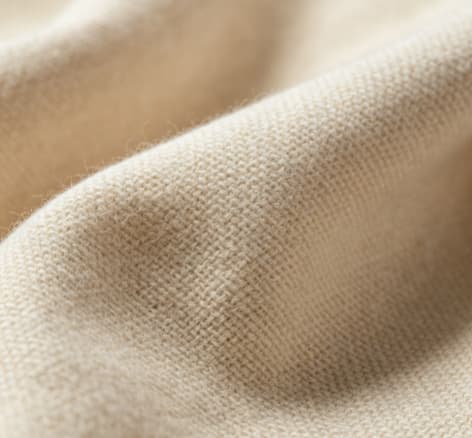
The defining feature of double-layer gauze fabric is its structure. Instead of a single woven layer, the fabric is constructed using two lightweight cotton gauze layers connected by small binding points throughout the textile.
These connection points keep the two layers aligned while allowing a small space of air between them. The result is a fabric that feels slightly fluffy and soft rather than flat and dense.
This structure offers several functional advantages.
First, the air gap between layers improves breathability. Air can circulate more freely through the fabric, preventing the buildup of heat and humidity. This is particularly beneficial for babies, who have limited ability to regulate their body temperature.
Second, the dual-layer structure improves softness. Because each gauze layer is loosely woven, the fibers move more freely compared to tightly woven fabrics. When the two layers are combined, the overall texture becomes smoother and more comfortable against the skin.
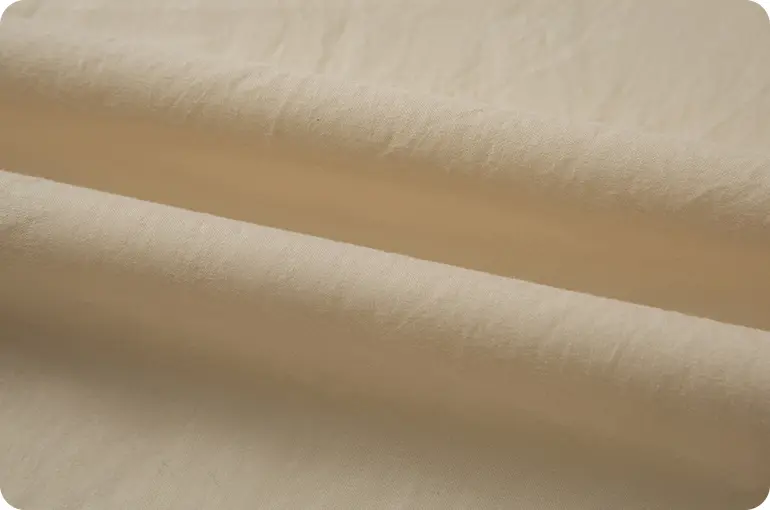
Third, double-layer gauze tends to become softer after repeated washing. The cotton fibers relax, and the fabric develops a slightly crinkled surface texture that enhances comfort without reducing durability.
This balance between softness, breathability, and structural stability explains why double-layer gauze has become a preferred material in products designed for prolonged skin contact.
Why Sensitive Skin Requires Special Textile Materials
Sensitive skin reacts more easily to external stimuli. Babies, people with eczema, and individuals with skin allergies often experience irritation from fabrics that are too rough, poorly ventilated, or chemically treated.
Textile materials used for sensitive skin must therefore meet several essential requirements.
Low irritation potential
Fabrics must avoid rough surfaces, harsh fibers, and chemical residues that could trigger redness or itching.High breathability
Air circulation helps prevent heat buildup, which can lead to rashes and discomfort.Moisture absorption
Skin produces sweat continuously. Fabrics must absorb and release moisture efficiently to keep the skin dry.Lightweight comfort
Heavy fabrics increase pressure and friction, which may irritate delicate skin.
Pure cotton double-layer gauze naturally satisfies these requirements due to its fiber composition and fabric structure. The loose weave reduces friction, while the cotton fibers manage moisture effectively.
Because of these characteristics, many pediatric textile products rely on cotton gauze fabrics to maintain skin comfort over long periods of wear.

Natural Advantages of Pure Cotton Fiber
The performance of any fabric begins with the fiber itself. Cotton has been used in textiles for thousands of years because of its natural comfort and adaptability.
Pure cotton fibers possess several characteristics that make them especially suitable for baby products and sensitive skin textiles.
Natural breathability
Cotton fibers contain microscopic hollow spaces that allow air to circulate through the material.Strong moisture absorption
Cotton can absorb a significant amount of moisture without feeling wet to the touch.Soft fiber structure
The natural surface of cotton fibers is smooth and gentle, reducing the risk of skin irritation.Skin compatibility
Because cotton is a natural cellulose fiber, it rarely triggers allergic reactions.
These qualities form the foundation of cotton’s popularity in baby clothing, bedding, and hygiene products. When combined with the double-layer gauze structure, the performance advantages become even more noticeable.
How the Double-Layer Gauze Design Improves Comfort
Fabric construction can influence comfort just as much as fiber composition. The double-layer gauze design introduces an internal air cushion that enhances several performance characteristics.
The first improvement is thermal regulation. The air trapped between the layers acts as a natural insulation barrier. In warm conditions, it allows heat to dissipate, while in cooler environments, it helps maintain a comfortable temperature.
The second improvement is moisture management. Sweat or humidity absorbed by the inner layer can gradually evaporate through the outer layer, preventing the skin from remaining damp.
The third improvement is soft tactile sensation. The slightly wrinkled surface of gauze fabric reduces the direct pressure between the textile and the skin. Instead of a flat contact surface, the fabric touches the skin gently, minimizing friction.
These properties explain why double-layer gauze fabrics are often used in baby blankets and swaddles. Babies can remain comfortable even during long periods of sleep.
Comparison with Other Fabrics Used in Baby Products
Baby textile manufacturers use a variety of fabrics, but not all materials perform equally well when it comes to skin comfort.
| Fabric Type | Breathability | Softness | Moisture Absorption | Suitability for Sensitive Skin |
|---|---|---|---|---|
| Pure Cotton Double-Layer Gauze | Excellent | Very Soft | Excellent | Highly Suitable |
| Regular Cotton Fabric | Good | Moderate | Good | Suitable |
| Polyester Blends | Limited | Moderate | Low | Less Suitable |
| Bamboo Fiber Fabric | Good | Soft | Good | Suitable depending on processing |
From this comparison, double-layer cotton gauze stands out because it balances breathability, softness, and moisture absorption. Synthetic materials often fall short in moisture control, while heavier cotton fabrics may not offer the same airflow.
Common Applications of Pure Cotton Double-Layer Gauze Fabric
Because of its gentle performance characteristics, pure cotton double-layer gauze is widely used in baby and sensitive-skin textile products.
The most common applications include:
Baby swaddles and blankets
These products require softness and airflow to keep infants comfortable during sleep.Baby clothing and sleepwear
Lightweight gauze garments allow the skin to breathe and reduce overheating.Burp cloths and bibs
The fabric’s strong moisture absorption makes it ideal for handling spills and drool.Baby bedding and pillow covers
Breathable bedding materials improve sleep comfort and reduce the risk of skin irritation.
The same qualities that benefit infants also make the fabric suitable for adult products such as lightweight summer pajamas and breathable bedding.
Manufacturing Factors That Affect Fabric Quality
Although cotton gauze fabrics share similar structures, manufacturing techniques can influence their overall quality.
Several production factors play a significant role.
First is cotton fiber quality. Long-staple cotton fibers produce smoother and stronger yarns, which improve the softness and durability of the final fabric.
Second is yarn thickness and density. Fine yarns create softer gauze, while thicker yarns increase durability.
Third is weaving precision. The spacing between connection points must be carefully controlled. Too many connections reduce softness, while too few can weaken the fabric structure.
Finally, finishing processes such as pre-washing, softening treatments, and shrinkage control determine the final feel of the textile.
High-quality manufacturers balance these factors to produce gauze fabrics that maintain softness without sacrificing durability.
Safety Standards for Baby Textile Materials
Because babies are highly sensitive to chemical exposure, textiles used in infant products must meet strict safety requirements.
Manufacturers typically evaluate fabrics based on several criteria.
First, dyes and finishing agents must meet safety regulations to ensure that no harmful substances remain in the material.
Second, textile testing may evaluate skin irritation potential and chemical residue levels.
Third, ecological textile certifications are often used to confirm that materials meet international safety standards for baby products.
These safety checks are especially important for fabrics like gauze that remain in close contact with the skin for extended periods.
How to Identify High Quality Pure Cotton Double-Layer Gauze Fabric
For manufacturers and consumers, recognizing high-quality gauze fabric is essential when selecting materials for baby products.
Several practical observations can help identify superior fabrics.
The first indicator is softness and elasticity. High-quality gauze should feel smooth and flexible without stiffness.
The second is uniform layering. The two gauze layers should be evenly connected throughout the fabric.
The third is breathability. When held up to light, the fabric should show a balanced weave that allows airflow.
The fourth is absorption performance. Cotton gauze should quickly absorb water without leaving droplets on the surface.
These characteristics reflect both the quality of the cotton fibers and the precision of the manufacturing process.
The Growing Demand for Cotton Gauze in Baby and Sensitive Skin Products
Consumer preferences in the textile industry have gradually shifted toward materials that emphasize comfort, safety, and sustainability. Pure cotton gauze fabrics fit well within these trends.
Parents increasingly prioritize breathable and chemical-safe materials when selecting baby products. As a result, textile manufacturers continue expanding the use of gauze fabrics in bedding, clothing, and hygiene items.
In addition, sustainable textile production is gaining attention worldwide. Cotton gauze fabrics made from responsibly sourced cotton align well with environmentally conscious manufacturing practices.
Because of these factors, the market for cotton gauze fabrics continues to grow across both baby products and home textiles.
Pure cotton double-layer gauze fabric represents a thoughtful balance between natural materials and functional textile design. The combination of breathable cotton fibers and a lightweight layered structure creates a fabric that performs exceptionally well in products intended for sensitive skin.
Its softness reduces irritation, its breathability improves comfort, and its moisture absorption keeps the skin dry. These qualities make the fabric especially suitable for baby blankets, clothing, bedding, and other products that remain in direct contact with delicate skin.
As awareness of skin-friendly materials continues to grow, pure cotton double-layer gauze fabrics are likely to remain a preferred choice in baby textiles and sensitive-skin applications. Their blend of natural comfort, safety, and durability ensures that they will continue playing an important role in modern textile manufacturing.