In the evolving world of children’s textiles, fabric is no longer just a medium of comfort — it has become a storytelling canvas. Every print, every pattern, and every shade of color has the power to spark imagination and shape emotion. The phrase “Fantasy Kids’ Dreams, Printed for the Future” is not simply poetic branding; it encapsulates a global movement in textile innovation where cutting-edge digital printing meets the highest safety standards to create fabrics that are as visionary as they are safe.
In recent years, the children’s apparel and home textile markets have witnessed a dramatic transformation. Parents today are not only looking for cute or trendy designs — they seek assurance, sustainability, and sensory comfort. Digital printed fabrics, especially those certified as Class A safety textiles, are at the forefront of this transformation. These fabrics combine softness, skin-friendliness, and vivid print precision to create an aesthetic and tactile experience tailored to the youngest consumers.
From Traditional Printing to Digital Revolution
For decades, the textile printing process was synonymous with mass production, limited color flexibility, and environmental strain. Traditional rotary screen and roller printing methods demanded enormous water consumption, complex plate-making, and substantial chemical waste. The process constrained creativity within mechanical boundaries.
Digital textile printing, however, changed the paradigm. It introduced precision inkjet printing directly onto fabrics using digital files, eliminating the need for screens or templates. This approach opened infinite possibilities for design variation, short-run customization, and sustainable production.
The difference is revolutionary:
Traditional printing typically uses 30–50 liters of water per meter of fabric. Digital printing reduces this to less than 3 liters.
Instead of mixing pre-set dyes, digital CMYK+N color management allows over 16 million color combinations with microscopic accuracy.
Designers can now produce on-demand collections, reducing inventory waste by as much as 70%.
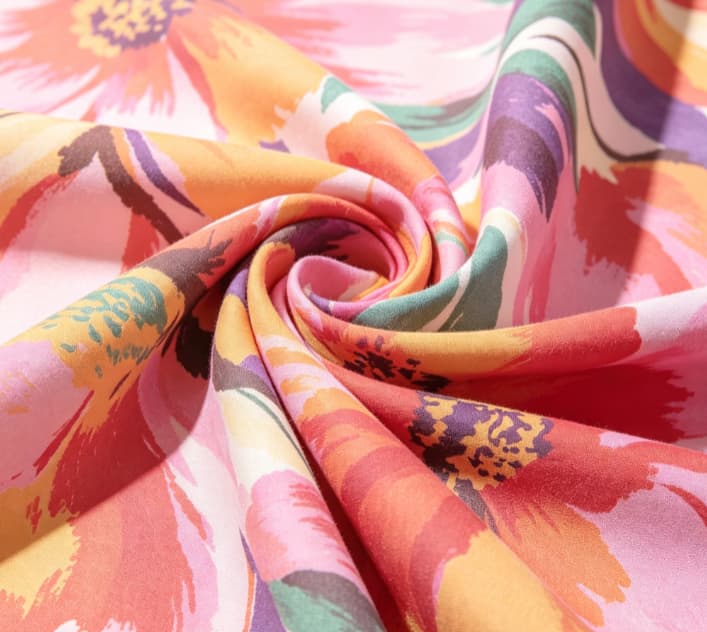
In the context of children’s fabrics, this means every pattern — whether it’s a dreamy forest, a smiling bear, or an educational alphabet map — can be rendered in high definition with precise color reproduction that captures emotional warmth and visual clarity.
The Safety and Science Behind Kids’ Fabrics
Children’s skin is delicate and absorbent, making fabric safety a matter of genuine health concern. That’s why Class A safety certification, often aligned with OEKO-TEX Standard 100 or equivalent national standards, has become an essential prerequisite for children’s textile manufacturing.
These fabrics are tested against more than 100 harmful substances, including formaldehyde, azo dyes, heavy metals, and volatile organic compounds (VOCs). The use of formaldehyde-free digital inks, combined with water-based pigment systems, ensures zero irritation while maintaining vivid color performance.
Moreover, advanced digital printing avoids traditional steaming and washing steps that could introduce chemical residues. This ensures that the printed fabric remains safe even after multiple washes — ideal for bedding, pajamas, or baby blankets.
The science goes further into fiber-level engineering. By combining microfiber yarns with high-density weave structures, manufacturers can produce a luxuriously soft touch with enhanced durability. The fibers’ capillary channels enable breathability and moisture regulation — keeping children cool, dry, and comfortable through play and sleep alike.
What Makes Digital Printing Unique
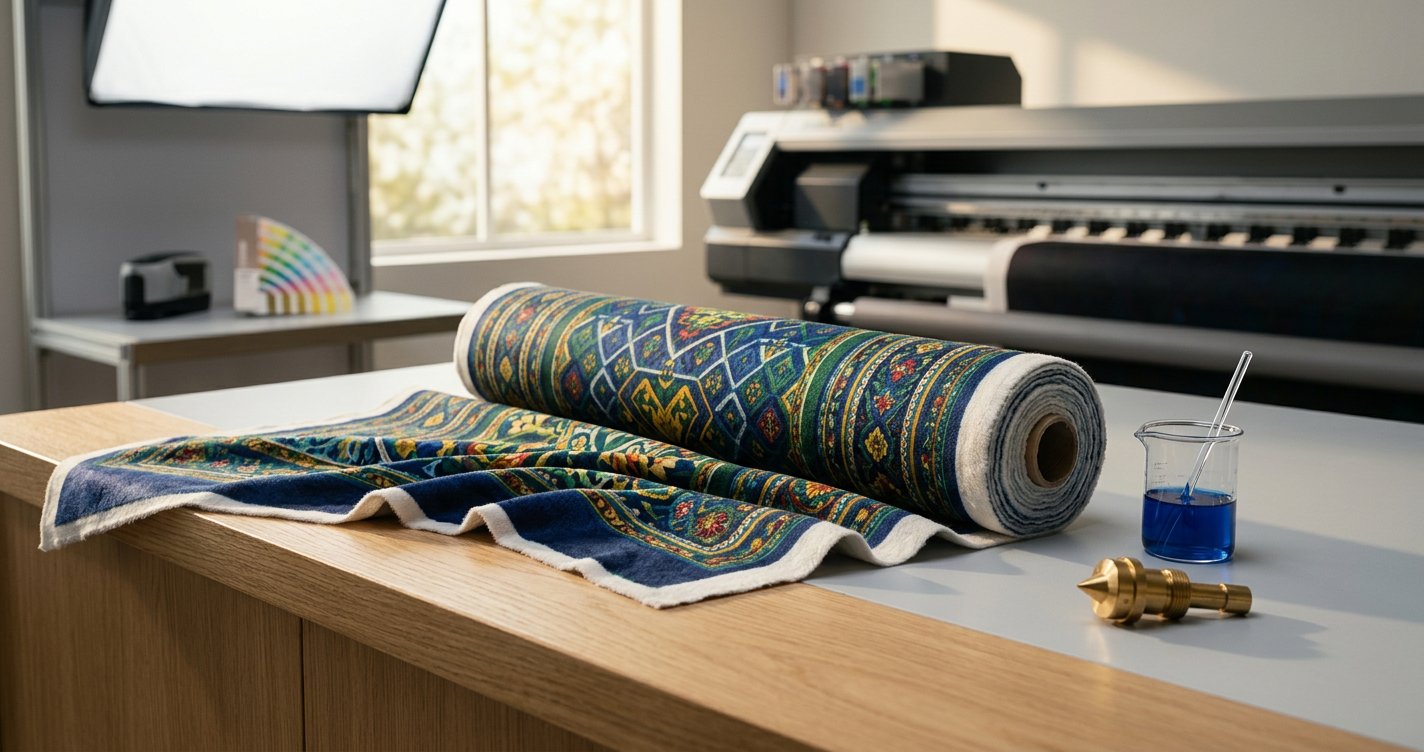
Digital printing isn’t merely an alternative technology — it’s an integrated ecosystem of color science, data control, and textile chemistry. At its core, the process involves several sophisticated stages:
• Design Digitization and Color Profiling: Designers use advanced color management systems to translate creative visuals into precise RGB or LAB profiles that match printer capabilities. This ensures every cartoon character or floral pattern remains faithful in tone and brightness.
• Pre-Treatment of Fabric: Before printing, fabrics are coated with a special receptive layer that improves ink absorption and fixation. This guarantees sharp contours and prevents color bleeding, even on soft cotton or blended textiles.
• Inkjet Printing Process: High-resolution nozzles, often with up to 1200 dpi precision, spray nanoliter droplets of eco-friendly pigment inks directly onto the fabric. The accuracy ensures consistent tone transition and lifelike imagery — ideal for children’s prints that depend on emotional storytelling.
• Fixation and Finishing: Using controlled heat or UV curing, pigments bond permanently with the fabric fibers. The result is outstanding colorfastness, wash resistance, and texture integrity.
Digital printing thus merges artistic freedom with industrial precision, offering designers the opportunity to experiment fearlessly while ensuring manufacturers maintain consistency and quality.
Design Philosophy: Beyond Cute — Toward Meaningful Imagination
Modern parents and children are both design-conscious. The new generation of digitally printed children’s fabrics reflects a deep understanding of developmental psychology and emotional design.
Designers are moving beyond traditional cartoon repetition toward story-based pattern narratives. A fabric set might depict an entire fairytale scene — a bear wandering through the Hundred Acre Wood, a rocket exploring planets, or alphabet animals marching across a learning landscape.
Each color is carefully chosen to evoke emotion and support cognitive development. For example:
• Blue and Green tones induce calmness and security, ideal for bedtime products.
• Warm Yellows and Oranges encourage joy, optimism, and curiosity — suitable for daytime playwear.
• Contrasting Bright Colors helps infants strengthen visual focus and perception.
Moreover, many modern prints integrate educational content — shapes, numbers, geography, and nature themes — allowing children to interact with their environment through fabric.
The result is not just visual delight but a multisensory learning experience, turning every pillow, shirt, or bedsheet into a gentle teacher.
Engineering Comfort: Material Science Meets Tender Skin
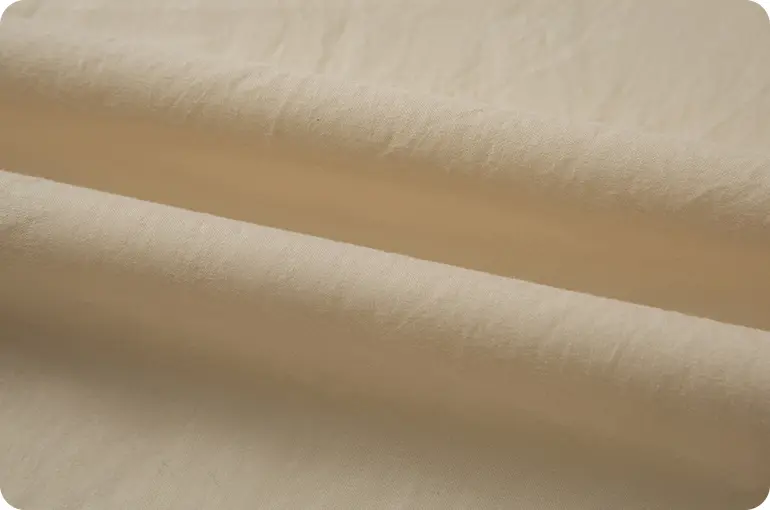
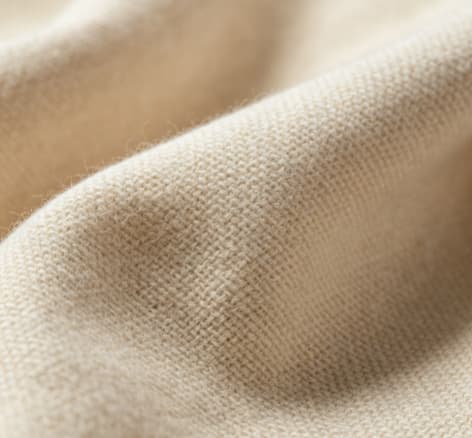
A key differentiator for premium digital printed children’s fabrics lies in material composition. Most manufacturers employ combed cotton, organic cotton, modal blends, or recycled polyester microfibers to achieve specific tactile and performance goals.
These fabrics undergo extensive mechanical testing to ensure compliance with strict standards of:
Tensile Strength – ensuring tear resistance during active play.
Pilling Resistance – keeping surfaces smooth even after repeated washing.
Moisture Management – supporting airflow and temperature balance.
Colorfastness – maintaining brilliance through hundreds of wash cycles.
The tactile softness often comes from enzymatic finishing — a gentle biochemical process that removes surface fuzz from cotton fibers, leaving a silky feel without synthetic coating.
The combination of softness, breathability, and hypoallergenic treatment turns each digitally printed sheet or outfit into a second skin for children.
Applications Across the Children’s Industry
The versatility of digitally printed fabrics has expanded far beyond apparel. They now dominate in:
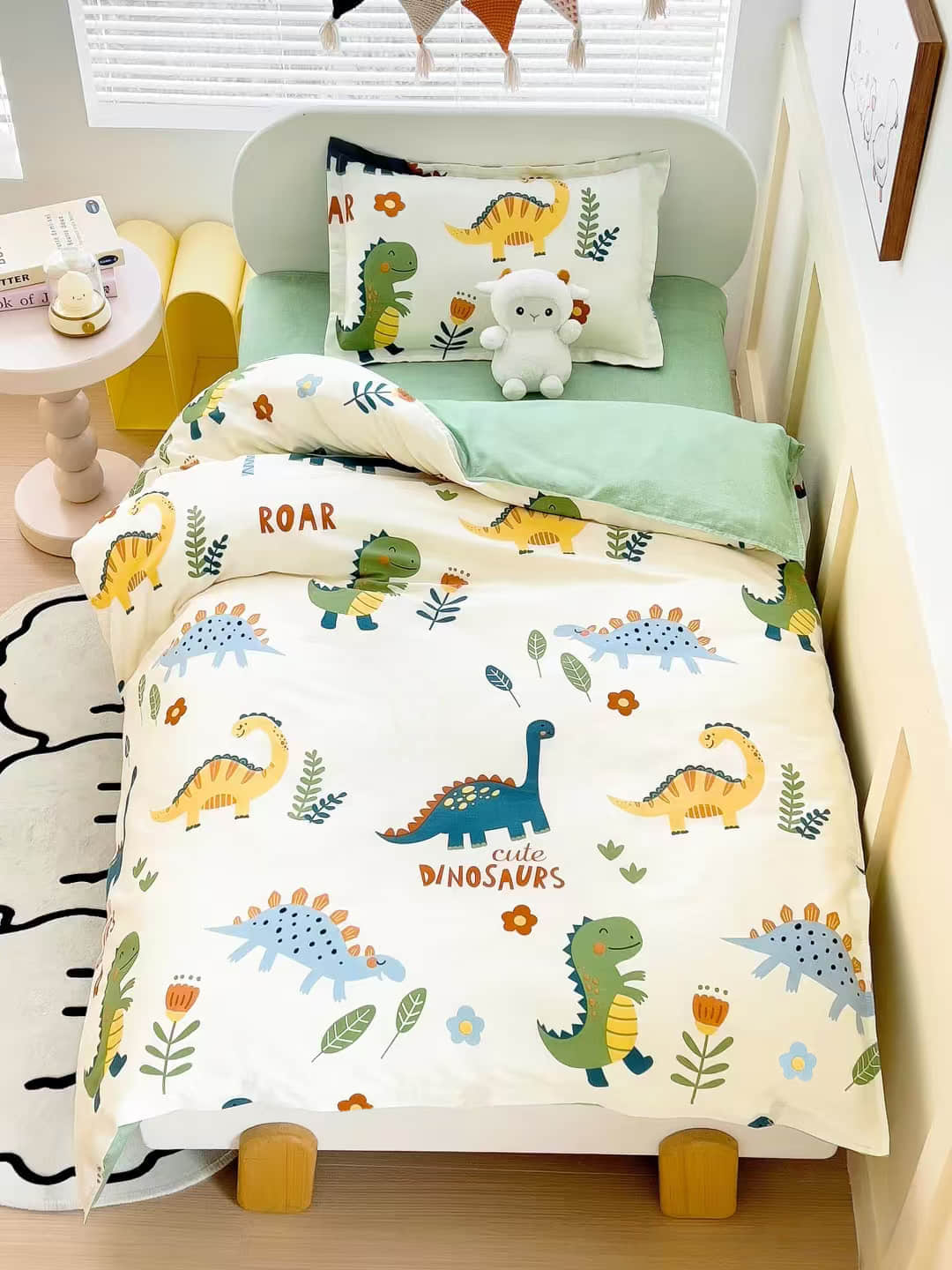
Children’s Bedding & Home Textiles – duvet covers, pillowcases, curtains, and quilts that transform bedrooms into imaginative worlds.
Kids’ Fashion & Accessories – dresses, T-shirts, backpacks, and hats featuring crisp, vibrant designs.
Educational Fabrics – interactive wall hangings and play mats with alphabets, maps, or story scenes printed in ultra-high-definition detail.
Event & Promotional Products – pop-up tents, toy storage covers, and school decorations benefiting from rapid on-demand digital production.
Manufacturers offering customization options can adapt the same fabric base to different applications with minor production adjustments — a flexibility impossible in the pre-digital era.
Economic and Environmental Impact
The digital transformation is not just an aesthetic evolution but an economic and ecological milestone.
Digital printing dramatically reduces production waste, energy consumption, and chemical discharge. Studies show that switching from rotary screen printing to digital methods can reduce carbon emissions by up to 80%.
For manufacturers, the ability to print on demand eliminates the need for high-volume inventory, lowering warehouse costs and enabling flexible small-batch production. This model is ideal for children’s fashion, which thrives on seasonal refresh and fast trend turnover.
Additionally, sustainable materials — such as organic cotton, bamboo viscose, and recycled PET — align with the eco-conscious values of millennial parents. When paired with water-based digital inks, the result is a product that meets both ecological and emotional expectations.
Industry Trends and Future Prospects
The next decade of children’s fabric development will be defined by three intertwined trends:
Smart Textiles for Kids: The integration of sensors or temperature-responsive pigments that react to the child’s body heat or the surrounding environment, adding interactive playfulness.
AI-Driven Design Customization: Using algorithms to generate unique pattern variations, ensuring that no two garments are identical — personalizing the child’s world through data-driven creativity.
Sustainable Digital Dye Chemistry: The rise of bio-based pigment inks that eliminate petrochemical dependence, combined with low-energy fixation technologies.
Manufacturers who invest in these areas will not only capture market share but redefine the emotional connection between technology and childhood.
The Psychology of Color and Comfort in Child Development
Beyond aesthetic charm, digitally printed fabrics influence early emotional and cognitive growth. Psychologists emphasize that color exposure during early development can shape a child’s mood regulation, creativity, and attention span.
For instance:
Pastel tones in bedding promote relaxation and deeper sleep.
Bright multi-color prints in playwear enhance motor coordination and confidence.
Soft textures stimulate tactile curiosity — a key factor in sensory learning.
This intersection between design, psychology, and material science underscores why fabric development is no longer just industrial but profoundly human-centered.
Weaving the Future of Imagination
The world of children’s textiles is entering a golden era — one where the artistry of imagination converges with scientific precision and sustainable innovation. The Fantasy Kids’ Dreams collection represents this evolution perfectly: pure fabrics, advanced digital printing, and designs that nurture both joy and curiosity.
Through every stitch and pixel, these fabrics affirm a philosophy — that comfort, creativity, and care can coexist beautifully. They are not just garments or bedding pieces; they are gentle carriers of childhood wonder.
In every bear’s smile, every tree branch, and every starlit pattern, digital printing captures something timeless: the belief that children’s dreams deserve to be seen, felt, and worn — vividly, safely, and sustainably.