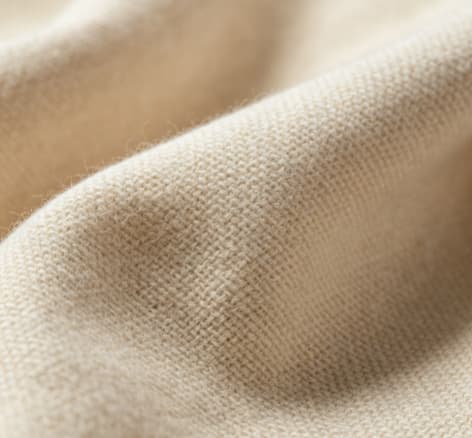
Why Cotton Digital Print Fabric Dominates Summer Apparel
The Unmatched Comfort of Natural Cotton Fibers
Summer clothing needs fabrics that are soft, breathable, and functional. Digitally printed cotton is an attractive option for the modern wardrobe. Cotton is known for its skin-friendliness, and its smooth, comfortable texture minimizes skin irritation—ensuring comfort even after prolonged wear in hot environments. Unlike synthetic fabrics that tend to trap heat and moisture, cotton’s porous structure ensures airflow, keeping the body cool and dry even in humid and stuffy climates.
Cotton has the remarkable ability to absorb up to 27% of its weight in moisture without feeling damp, making it an excellent choice for summer wear, whether you’re spending time outdoors or in warm indoor settings. This moisture-wicking property is essential for hot-weather clothing, as it efficiently pulls sweat away from the skin and allows it to evaporate quickly, helping to avoid the sticky discomfort associated with less breathable materials. For those who value all-day comfort, cotton digital print fabric offers a lightweight and breathable fit that adapts seamlessly to various activities, from casual outings and beach trips to running everyday errands.
Beyond comfort, cotton’s natural softness improves with each wash, maintaining a plush texture that retains its quality over time. This durability makes cotton digital print fabric a cost-effective choice for brands and consumers alike, as garments resist thinning, pilling, or stretching even with regular use. As sustainable fashion gains traction, cotton’s biodegradable nature also adds eco-friendly value, aligning with the growing demand for earth-conscious textile choices in the summer apparel market.
Digital Printing Technology Redefines Fabric Aesthetics
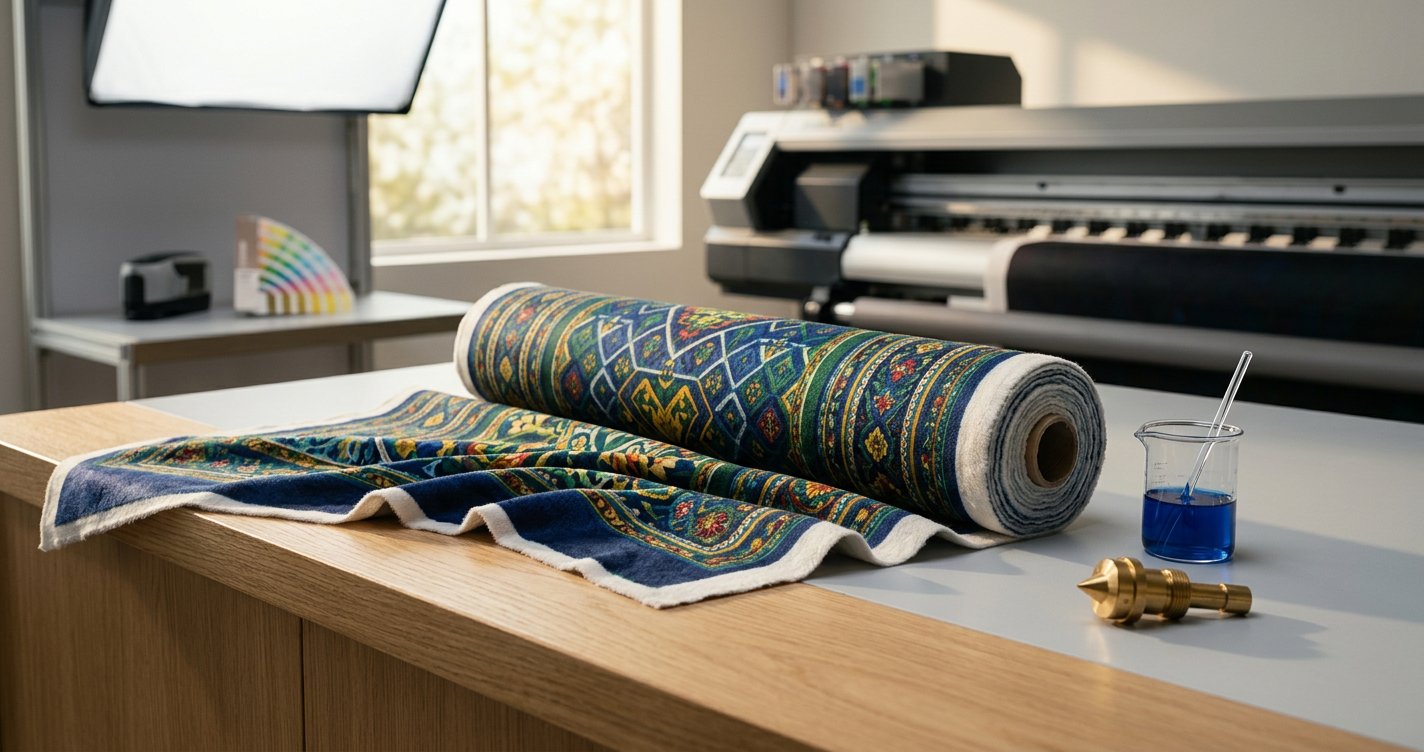
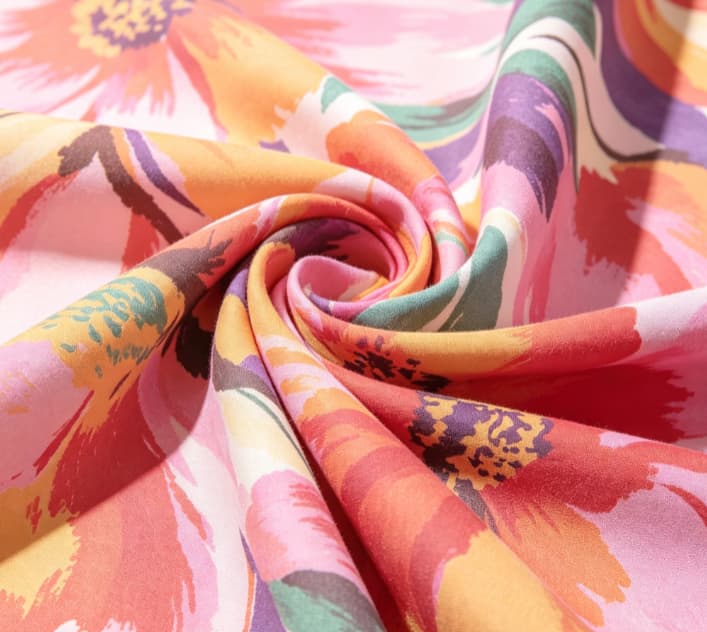
The advent of digital printing has revolutionized cotton fabric, shifting its role from a straightforward material to a medium for intricate, high-definition designs, solidifying its presence as a summer fashion essential. In contrast to traditional screen printing, which restricts the use of complex colors and detailed patterns, digital printing employs cutting–edge inkjet technology to apply elaborate designs directly onto cotton fibers. This creates crisp, vibrant prints with exceptional accuracy. From delicate floral patterns and tropical themes to sleek geometric shapes and bespoke brand designs, this innovation accommodates a wide range of summer style choices.
A key advantage of digital printing for cotton fabric is its color retention capabilities. High-quality reactive and pigment inks bond deeply with cotton fibers, resisting fading even after repeated washes and exposure to sunlight—an essential feature for summer clothing that faces frequent UV radiation and laundering. Market data shows that digitally printed cotton fabrics maintain 92% of their original color vibrancy after 50 washes, compared to just 68% for traditionally printed cotton, making them far more suitable for long-term summer wear.
Digital printing also offers design flexibility and fast production turnaround, allowing brands to create small-batch, on-demand designs that align with fast-changing summer fashion trends. This agility reduces overproduction and waste, supporting sustainable manufacturing practices. For consumers, this means access to unique, exclusive patterns that stand out from mass-produced apparel, making cotton digital print fabric a favorite for statement summer pieces like sundresses, casual shirts, and lightweight loungewear.
Key Advantages of Soft Cotton Digital Print Fabric for Summer Wear
Breathability and Temperature Regulation
Summer apparel’s primary function is to keep the wearer cool, and soft cotton digital print fabric excels in temperature regulation thanks to its inherent fiber structure. The open weave of high-quality cotton allows unobstructed airflow, pushing warm air away from the body and drawing in cooler external air—a natural cooling system that outperforms many synthetic blends. This breathability is especially valuable in tropical and subtropical climates, where humidity and heat peak during summer months.
To highlight the performance gap between cotton digital print fabric and other common summer materials, the table below compares key comfort metrics:
| Fabric Type | Breathability Score | Moisture Absorption | Heat Retention |
|---|---|---|---|
| Cotton Digital Print Fabric | 9.2/10 | 27% of weight | Low (1.5/10) |
| Polyester Blend | 5.8/10 | 8% of weight | High (7.2/10) |
| Linen | 8.9/10 | 22% of weight | Moderate (3.1/10) |
| Viscose | 7.5/10 | 19% of weight | Moderate (4.3/10) |
This data confirms that cotton digital print fabric offers the optimal balance of breathability and moisture management for summer, outperforming synthetic options and matching or exceeding natural alternatives like linen. The fabric’s lightweight nature—typically ranging from 100–180 GSM for summer apparel—adds to its cooling effect, avoiding the heavy, restrictive feel of thicker fabrics.
Versatility in Summer Clothing Design
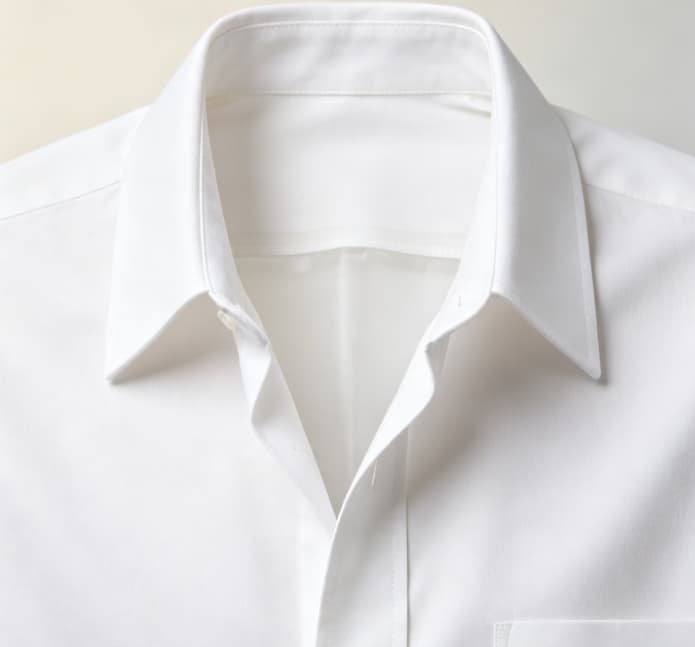
Soft cotton digital print fabric’s adaptability makes it suitable for nearly every category of summer clothing, from casual everyday wear to resort and vacation styles. Its soft drape works beautifully for flowy sundresses, maxi skirts, and loose blouses, while its stable weave holds structure well for button-down shirts, shorts, and kids’ summer outfits. The fabric’s compatibility with various sewing and finishing techniques also allows designers to create diverse silhouettes, from relaxed boho styles to sleek, modern cuts.
Custom digital print cotton fabric for summer dresses is particularly popular, as designers can print seasonal patterns like tropical leaves, citrus fruits, and pastel florals that capture the essence of summer. For casual wear, lightweight cotton digital print t-shirt fabric offers softness and print clarity, making it ideal for graphic tees and vacation-themed tops. The fabric also works well for accessories like scarves, headbands, and tote bags, creating coordinated summer looks that appeal to fashion-forward consumers.
This versatility extends to different consumer demographics, including adults, children, and even infants. Cotton’s hypoallergenic properties make soft cotton digital print fabric safe for sensitive baby skin, while its durable construction stands up to the active wear of children’s clothing. For adult consumers, the fabric’s mix of comfort and style caters to both casual daily wear and semi-formal summer occasions, solidifying its position as a versatile staple in seasonal wardrobes.
Eco-Friendly and Skin-Safe Properties
As consumers become more mindful of textile sustainability and skin health, soft cotton digital print fabric has emerged as a responsible choice for summer clothing. Most high-quality cotton digital print fabric uses OEKO-TEX® certified inks and materials, free from harmful chemicals like formaldehyde, heavy metals, and azo dyes. These certifications ensure the fabric is safe for direct skin contact, even for those with sensitive skin or allergies—a critical factor for summer clothing worn close to the body for hours.
Digital printing technology also reduces environmental impact compared to traditional printing methods. Traditional screen printing uses large amounts of water, energy, and excess ink, leading to higher waste production. In contrast, digital printing applies ink only where needed, reducing ink consumption by up to 40% and water usage by 60%. Many manufacturers also use organic or recycled cotton for their digital print fabric lines, further lowering the carbon footprint of summer apparel production.
The global demand for sustainable printed cotton fabric for summer wear has grown 18% annually since 2022, driven by consumer preferences for eco-friendly fashion. Brands that prioritize soft cotton digital print fabric in their summer collections not only meet market demands but also contribute to reducing the fashion industry’s environmental impact, creating a win-win for businesses, consumers, and the planet.
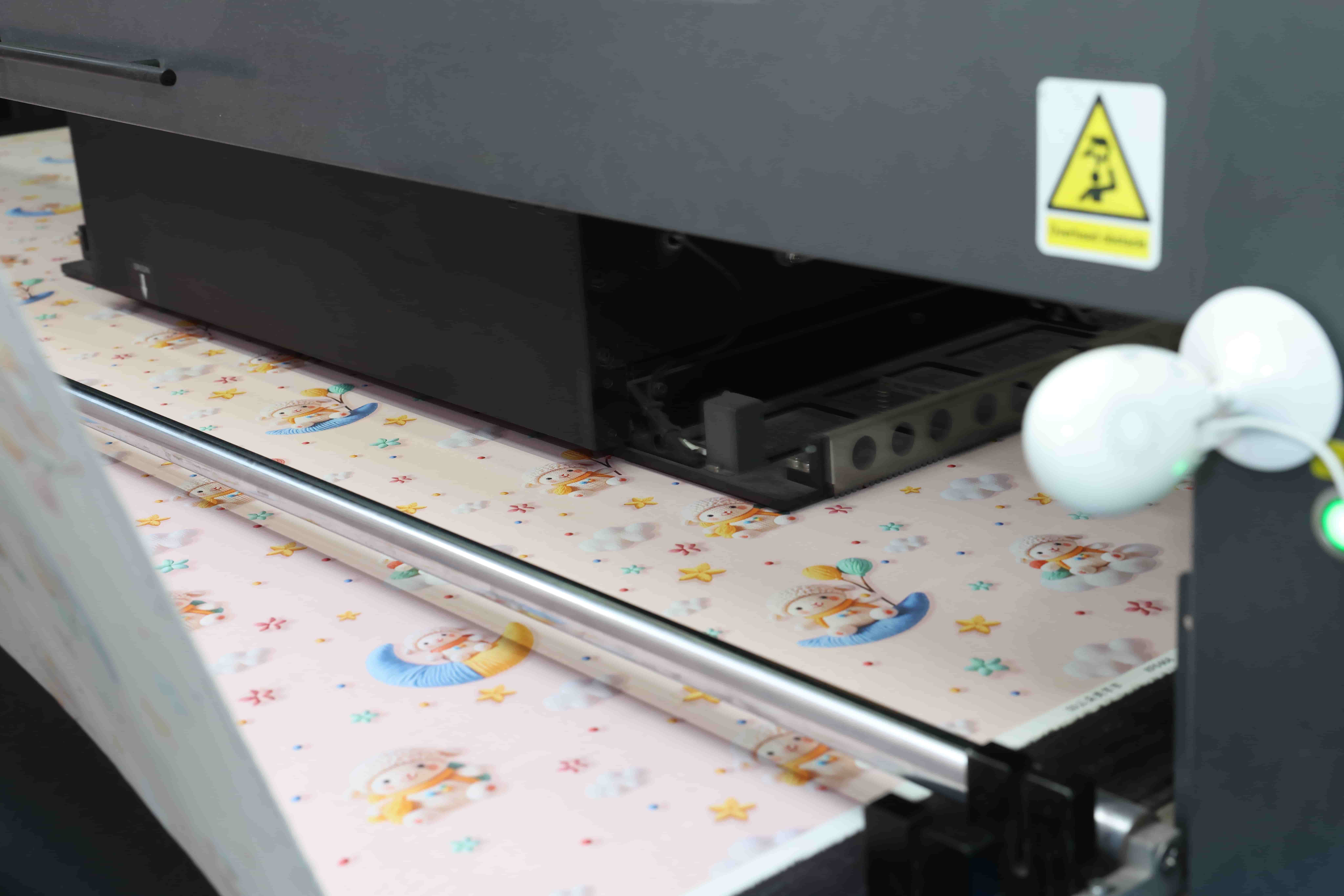
How to Select Premium Soft Cotton Digital Print Fabric for Summer Apparel
Evaluating Fabric Quality and Weave
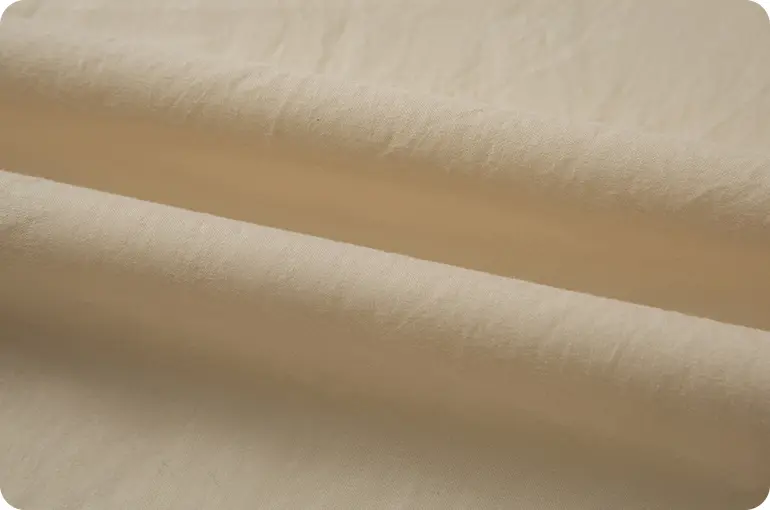
Not all cotton digital print fabric is created equal, and selecting premium material is key to creating high-quality summer clothing. The first factor to assess is the cotton fiber quality—long-staple cotton (like Pima or Egyptian cotton) produces softer, more durable fabric with smoother prints, while short-staple cotton may feel rough and fade faster. A simple touch test can reveal fiber quality: premium fabric feels smooth and plush, with no coarse or scratchy texture.
The weave density also impacts performance, with a balanced weave (100–180 GSM) ideal for summer. Too tight a weave reduces breathability, while too loose a weave leads to stretching and poor print definition. High-quality fabric should have a consistent weave with no loose threads or uneven surfaces, ensuring prints are sharp and garments hold their shape. Checking the fabric’s weight is also important: lightweight options (100–140 GSM) work for dresses and blouses, while mid-weight (140–180 GSM) suits shirts and shorts.
Assessing Print Clarity and Color Fastness
For cotton digital print fabric, print quality directly affects the aesthetic and longevity of summer clothing. Premium fabric features sharp, clear prints with no blurring, smudging, or color bleeding, even in intricate design details. Color fastness is another critical metric—summer clothing faces frequent sun exposure and washing, so fabric should resist fading and discoloration. A quick test involves rubbing the fabric with a white cloth; no color transfer indicates high color fastness.
Reputable manufacturers provide test reports for color fastness to washing, light, and perspiration, with ratings of 4–5 on the grey scale indicating premium quality. These ratings ensure that vibrant summer prints remain vivid for the entire season and beyond, maintaining the garment’s visual appeal. Choosing fabric with high-quality digital prints also adds value to clothing lines, as consumers are willing to invest in pieces that retain their beauty over time.
Matching Fabric to Clothing Type and Target Market
Selecting the right soft cotton digital print fabric involves aligning material properties with the intended clothing type and consumer base. For women’s summer dresses, flowy, lightweight fabric with bold, colorful prints is ideal, while men’s casual shirts benefit from mid-weight fabric with subtle, refined patterns. Kids’ clothing requires durable, easy-care fabric with fun, playful prints that can withstand frequent washing and active play.
Understanding the target market’s preferences is also key: eco-conscious consumers prioritize organic cotton digital print fabric with sustainable certifications, while fashion-focused buyers seek on-trend prints and unique designs. For wholesale and retail businesses, offering a mix of classic and trendy prints ensures broad appeal, catering to both timeless style lovers and trend followers. By matching fabric choices to consumer needs, brands can maximize the market potential of their summer apparel lines.
Market Trends and Growth of Cotton Digital Print Fabric in Summer Fashion
Rising Demand for Custom and Trend-Driven Prints
The summer apparel market is increasingly driven by personalized and trend-driven designs, boosting demand for high-quality cotton digital print fabric. Digital printing’s ability to produce custom prints with no minimum order quantity allows brands to offer personalized clothing, a feature that resonates with modern consumers seeking unique items. Custom printed cotton fabric for summer resort wear, in particular, has seen a 32% growth in demand, as travelers seek vacation-specific clothing with exclusive designs.
Social media and fashion influencers also shape print trends, with tropical, bohemian, and minimalist designs dominating summer fashion cycles. Digital printing’s fast turnaround lets brands quickly adapt to these trends, launching new prints within weeks rather than months. This agility keeps summer collections fresh and relevant, driving sales and customer engagement. As print personalization becomes a standard expectation, cotton digital print fabric will remain a cornerstone of seasonal fashion production.
Sustainable Manufacturing Shaping the Industry
Sustainability is no longer a niche trend but a core requirement in the textile industry, and cotton digital print fabric leads the shift toward eco-friendly summer apparel manufacturing. Leading manufacturers are adopting closed-loop production systems, recycling water and ink to reduce waste, and using renewable energy sources. The use of organic cotton in digital print fabric has also increased, with 37% of summer apparel brands now prioritizing organic options to meet consumer demand.
Government regulations and industry certifications also push sustainable practices, with standards like GOTS (Global Organic Textile Standard) and OEKO-TEX® becoming mandatory for many global markets. Brands that use certified soft cotton digital print fabric gain a competitive edge, appealing to eco-conscious consumers and meeting retail partner requirements. This shift toward sustainability is expected to continue, with digital printing and organic cotton set to dominate the summer fabric market in the coming years.
Global Market Projections for Cotton Digital Print Fabric
The global digital textile printing market is projected to reach $26.5 billion by 2033, growing at a CAGR of 4.5%, with cotton fabric accounting for 78% of natural fiber printed materials. Summer apparel is the fastest-growing segment, driven by rising disposable incomes, fashion consciousness, and demand for comfortable seasonal clothing. In North America and Europe, cotton digital print fabric for summer wear accounts for 41% of total digital printed textile demand, while the Asia-Pacific region shows the highest growth rate at 7.2% annually.
This growth is fueled by the rise of fast fashion, e-commerce, and sustainable fashion movements, all of which favor the flexibility, quality, and eco-friendliness of cotton digital print fabric. For fabric suppliers and clothing brands, investing in high-quality soft cotton digital print fabric for summer collections presents significant growth opportunities, tapping into a market that values comfort, style, and sustainability in equal measure.
Conclusion
Soft cotton digital print fabric stands as the ultimate choice for summer clothing, combining the timeless comfort of natural cotton with the innovative aesthetics of digital printing technology. Its unbeatable breathability, moisture-wicking properties, and skin-safe nature make it perfect for hot summer days, while its versatile design options and durable prints cater to diverse fashion preferences. As the market shifts toward sustainability and personalized style, cotton digital print fabric continues to lead the summer apparel industry, offering value to brands and consumers alike.
Whether used for casual everyday wear, resort fashion, or kids’ clothing, premium soft cotton digital print fabric delivers on comfort, style, and durability, making it an indispensable material in seasonal wardrobes worldwide. For brands looking to create standout summer collections and consumers seeking high-quality, eco-friendly clothing, cotton digital print fabric is the clear and optimal choice.