Premium Cotton 100 is one of the most preferred materials in textiles and garments due to its purity, comfort, and application range that covers fashion to home textiles as well as industrial uses. With end-users becoming more conscious about quality, sustainability, and a good feel on the skin, manufacturers, brands, and designers have started focusing intently on this material. For anyone involved in any part of the textile sector or simply an everyday user searching for high-quality cotton products, understanding what exactly defines Premium Cotton 100and how it performs across different scenarios is essential. This guide will deeply analyze aspects related to properties, features, advantages, applications, and production considerations of premium cotton 1 o,o shedding light on why it still drives purchasing decisions nd inspires product innovations.
Overview of Premium Cotton 100 and Its Importance in the Textile Industry
Premium Cotton 100 refers to cotton material composed purely of high-quality cotton fibers with no blending or modification from synthetic or alternative natural fibers. The purity and consistency add value, ensuring a highly soft, durable, and naturally functioning end product. Cotton is one of the most widely used natural fibers in the world; thus, better-defined categories such as Premium Cotton 100 help separate general baseline offerings from those products that provide enhanced levels of comfort and reliability.
In the past few years, with the increasing global demand for natural and breathable textiles, it has firmly placed Premium Cotton 100 in a leading position. Consumers are seeking products made of materials that allow their skin to breathe comfortably and reduce irritation for daily wear: “Premium cotton 100 is fully compliant with such requirements because it contains properties which are completely biodegradable and renewable by nature; suitable for any type of fabric construction.” Its high quality supports long-lasting garments and home textile articles that can be used repeatedly without losing comfort.
Key Characteristics That Define the Quality of Premium Cotton 100
Premium Cotton 100 contains several major characteristics by which its performance, texture, and value can be determined. Fiber quality is core to its classification, hence only the best cotton fibers are selected and processed. The measurable difference that long and strong fiber makes in behaving like a fabric, where durability and softness become an application requirement, cannot be overemphasized.
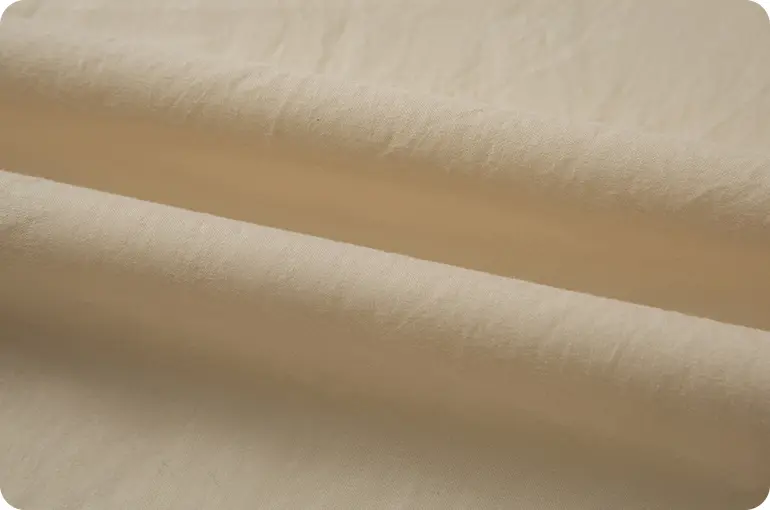
Softness is one of the most widely appreciated characteristics of Premium Cotton 100. The material possesses a naturally smooth texture that feels good on contact with skin and is therefore suitable for apparel, bedding, as well as accessories. Because its fibers are thoroughly combed, cleaned, and processed, they always remain even to provide low low-friction surface resulting in high comfort.
Another defining feature is breathability. Air can move through Premium Cotton 100 to keep someone’s body temperature regulated and cool all day long. This function of air movement also relates to the absorption of moisture because cotton naturally takes in sweat from the human body and releases it through evaporation.
Durability is another big plus. Premium Cotton 100 holds its shape and strength long after lower-grade cotton has given out. The high-quality fibers do not easily break, pill, or thin out. Appearance and texture will be maintained even through several wash cycles.
And as a very important added value to the material, it is naturally hypoallergenic. Premium Cotton 100 contains no synthetic fibers or chemical additives and leaves no harsh residue; therefore, suitability for sensitive skin, baby products, and medical textiles can be ensured at the same time that such purity benefits consumers specifically responding negatively to synthetic fabrics.
Understanding the Production Process Behind Premium Cotton 100
The cotton to be used must have long, fine, and clean fibers. Such cotton can only grow under particular conditions of the climate and soil, and is carefully picked so as not to mix with other varieties or damage any part of its fiber during harvesting operations carried out totally by hand in most areas producing this type of high-quality raw material for Premium Cotton 100.
After harvesting, the cotton is taken to ginning, where fibers are separated from seeds and impurities. Advanced machinery of fiber cleaning and sorting by which debris is removed, as well as uniformity is ensured. Premium Cotton 100 Extra grade carding and combing aligns the fibers, removing short strands . Combing removes irregular fibers, enhances smoothness, and increases the tensile strength final yarn. All this happens in a highly advanced modern spinning mill.
Spinning turns the prepared fibers into yarn. The type of spinning also matters to softness and strength. Ring-spun cotton is mostly used for Premium Cotton 100 because it produces smoother, finer yarns than open-end spinning. After spinning, further quality checks are conducted on the yarn to test consistency and fiber strength.
The weaving or knitting phase determines the fabric structure, density, and texture. It can be tightly woven to attain a crisp and durable fabric or loosely knitted to acquire elasticity and softness. In whichever mode of construction, strict quality controls ensure that the finished fabric maintains the purity and characteristics expected of Premium Cotton 100.
The fabric is given a finish. A final treatment of softening and pre-shrinking or an eco-friendly wash process to enhance the final feel and maintain fiber stability without harmful chemicals.
How Premium Cotton 100 Performs in Everyday Use
Premium Cotton 100 is selected for the high performance it delivers in regular use-by the benefits added to comfort, hygiene, and durability. Be it apparel, bed linen, or any other accessory, the results remain consistent.
Breathability is one of the most apparent aspects of its performance. Air can easily flow through Premium Cotton 100 fibers, hence reducing overheating in hot weather conditions and also preventing moisture buildup. This makes it suitable for T- T-shirts and other wearables close to the skin, as well as bed linen.
Moisture absorption plays a key role in comfort. Premium Cotton 100 can absorb up to a large percentage of its own weight in water, which makes it more comfortable when engaging in any physical activity or during hot weather conditions. The garment’s ability to naturally wick away sweat from the body reduces odor and irritation.
It also keeps us comfortable all year long. In the colder months, Premium Cotton 100 acts as an insulating layer, helping to keep warmth in while still breathing. Suitable for both light and insulating garments, depending on the thickness and construction of the fabric.
Another feature related to its outstanding performance is durability. Premium Cotton 100 can survive frequent washings, changes in temperatures, and long hours of wearing. The fibers remain strong and hold their shape well with time, thus suitable for garments of daily use, children’s clothes, as well as home textiles that are constantly being cleaned.
Applications of Premium Cotton 100 Across Different Industries
Premium Cotton 100 is widely used across several industries because of its adaptability and reliable performance. Here are the key sectors where this material plays an essential role.
Clothing and Apparel
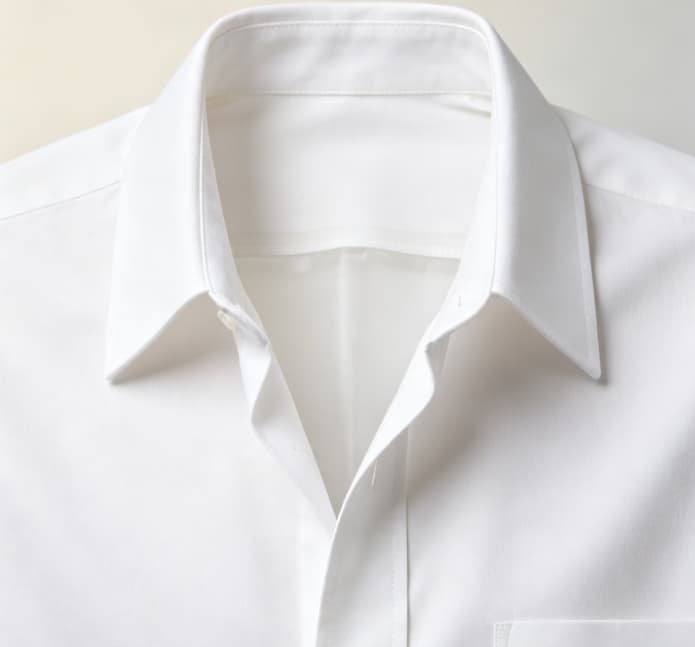
The apparel industry remains one of the largest users of Premium Cotton 100. As consumers increasingly seek clothing that combines comfort with durability and skin-friendly qualities, developers and manufacturers respond by providing such products to them. Its end uses are T-shirts, shirts or tops, dresses, lounge or sleepwear, babywear, socks, underwear, and seasonal wear. Designers use its versatility in creating both casual as well as premium garments wherein consistent performance along with aesthetic appeal is delivered.
Home Textiles
Premium Cotton 100 is also widely used for bedding, towels, blankets, and quilts, as well as pillow and cushion covers. The softness of the material adds to sleeping comfort while its strength assures long use of both attractiveness and serviceability in home textiles. For families who want their home fabrics to last long but be breathable at the same time, Premium Cotton 100 still remains an option.
Luxury Goods and Designer Collections
High-end brands favor Premium Cotton 100 for its smoothness and the superior feel applied to the touch. Most often, it is used with complex weaving techniques or special finishing processes to result in luxury shirts, scarves, and even some textiles made in limited editions. The fabric carries purity and consistency that work well in such collections where craftsmanship and exclusivity play a central role.
Medical, Baby, and Sensitive-Skin Products
Premium Cotton 100’s hypoallergenic properties make it suitable for bandages, gauze, baby clothing, diapers, baby blankets, and maternity products. Because these items require materials free from irritants, the purity of Premium Cotton 100 offers strong benefits.
Industrial Use and Specialty Textiles
Premium Cotton 100 is applied in special textile sectors beyond the normal consumer market, where absorption, purity, and durability are highly required. Industrial wipers or cleaners and polishing clothes together with laboratory textiles of high grade incorporate this material due to its consistency and performance.
Sustainability and Environmental Benefits of Premium Cotton 100
Organic cotton fibers are biodegradable and renewable. Sustainability is Premium Cotton 100’s major supply to the global environmental markets because it contains reduced water, organic fertilizers, and integrated pest management in its farming process. The footprint speaks volumes; hence, more farmers will be inspired to emulate similar best practices as they produce for Premium Cotton 100.
Suppliers of Premium Cotton 100 incorporate responsible production standards, which include certifications allowing them to prove and validate their eco-friendly practices. Such certification programs permit chemical-free processing, low carbon emissions, or involve support for fair labor practices. Textile companies are increasingly adopting circular modes of production; therefore, with an implementation based on consumer preference towards sustainability, consumer-favored long-lasting material-Premium Cotton 100, fits well.
Reusability and recyclability further strengthen its environmental value. Products made from Premium Cotton 100 can be reused or recycled, or they biodegrade completely naturally without releasing any harmful microplastics or chemicals into the environment.
The Market Outlook for Premium Cotton 100
Premium Cotton 100 will keep on expanding its global market as people prefer comfortable, high-quality, and sustainable goods. Long-term growth for natural fibers has been secured in a constant demand for them, particularly in countries with an increasing middle-class population and developing textile manufacturing industries.
Manufacturers and suppliers are experimenting with new spinning techniques, better cotton, and the construction of the fabric itself. This makes Premium Cotton 100 competitive with synthetics while maintaining superior natural characteristics.
More brands are using and promoting Premium Cotton 100 as a quality product in their marketing campaigns and labels to consumers. The front-facing consumer approach helps build awareness in developing its proposition.
Choosing High-Quality Premium Cotton 100 Products
Consumers and businesses interested in Premium Cotton 100 products should know the parameters by which to judge their quality. Long staple fiber yarns, type of weave or knit construction, fabric density, and finish processes all play a role in the end-use performance characteristics. A premium quality product will have a smooth hand feel that retains its shape after washing with an even texture throughout the fabric. Certificates or transparent information from suppliers provide added assurance.
The lightweight and breathable fabrics are intended for summer clothing, while the densely woven fabrics can also be used as durable workwear or bedding. Therefore, an accurate specification helps suppliers deliver exactly what was expected to ensure proper implementation of sourcing that garment makers and designers intended for the application.
Conclusion
100% pure cotton is among the most dependable and adaptable natural materials of the textile sector. Its softness, strength, comfort, and a combination of features allow it to be used widely in apparel and home textiles and several other end-uses where specific properties are required. Premium cotton 100 remains an integral part of innovations and new developments as an increasing share of final consumers demand high-quality products made from natural fabrics.