Cotton is one of the oldest and most important natural fibers on the planet, but not all of it is created equally. Today, the textile market is concerned with the term “premium cotton”, which is associated with quality, softness, and longevity. However, many consumers still have questions about the exact nature of the product: what makes it different? The answer is a combination of knowledge regarding fiber science, agricultural methods, craftsmanship, and benefits associated with performance that distinguish top-quality cotton from regular or common-grade cotton.
Below, we discuss the fundamental factors that contribute to the value of premium cotton and explain why both consumers and manufacturers are interested in purchasing it.
Superior Fiber Quality: The Foundation of Premium Cotton
The most fundamental difference lies in the length, strength, and purity of the cotton fibers.
• Longer Staple Length
Premium cotton varieties—such as extra-long staple (ELS) cotton—have fibers significantly longer than regular cotton.
Longer fibers mean:
Fewer exposed fiber ends
Less fraying and fuzz
Stronger, smoother yarn
Enhanced durability
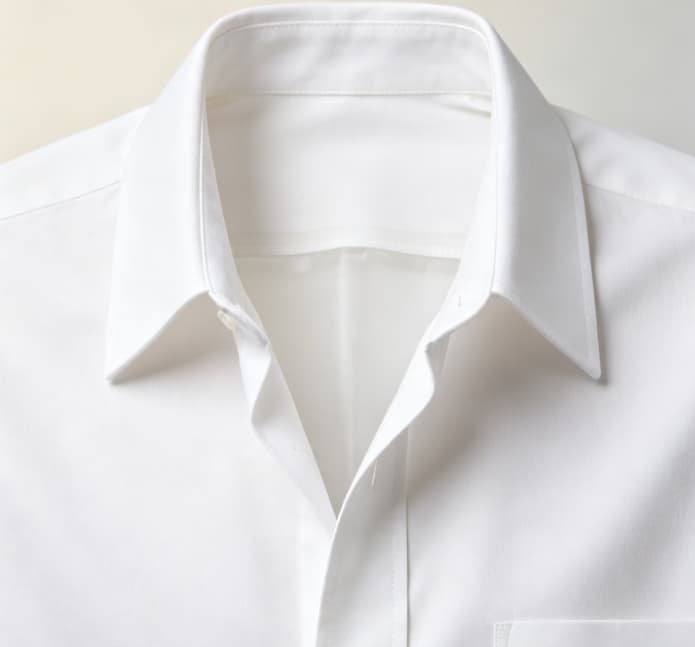
This is why garments made with premium cotton resist pilling and maintain a refined appearance even after many washes.
• Higher Fiber Strength
Stronger fibers withstand tension better during spinning and weaving, enabling:
Tighter weaves
Finer, more luxurious fabric surfaces
Reduced breakage during production
As a result, premium cotton fabrics feel smoother and last longer.
Exceptionally Soft Hand Feel
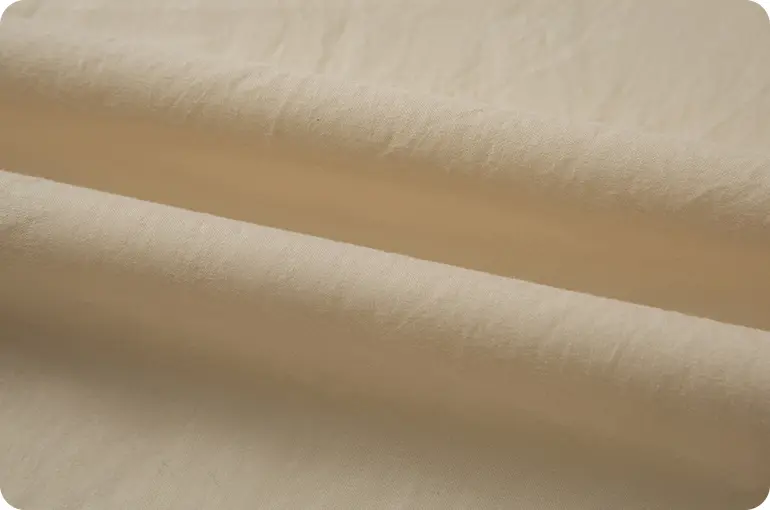
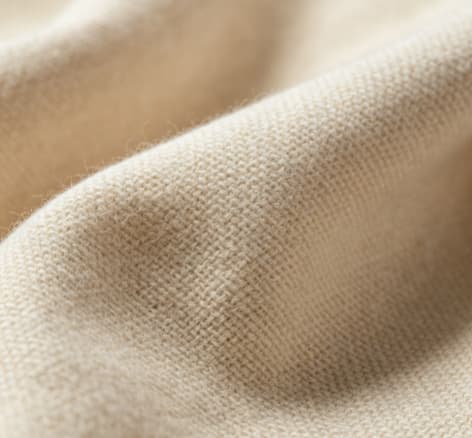
One of the biggest selling points of premium cotton is the sensation when touched.
Thanks to its long fibers and refined processing, it provides:
A silkier surface
Minimal fiber ends poking out
A naturally breathable softness
This is why premium cotton is often used for high-end T-shirts, bedding, underwear, and baby products. The softness is not created artificially; it is an inherent result of the cotton’s natural structure combined with high-grade spinning techniques.
Enhanced Durability and Longevity
Consumers often think premium cotton is only about softness—but its lifespan is equally important.
High-grade cotton fabrics:
Retain their shape longer
Resist thinning and tearing
Keep colors vibrant after repeated laundering
Maintain structural integrity under regular wear
In long-term cost-per-wear calculations, premium cotton often costs less than cheaper alternatives because it lasts significantly longer.
Better Color Absorption and Dyeing Performance
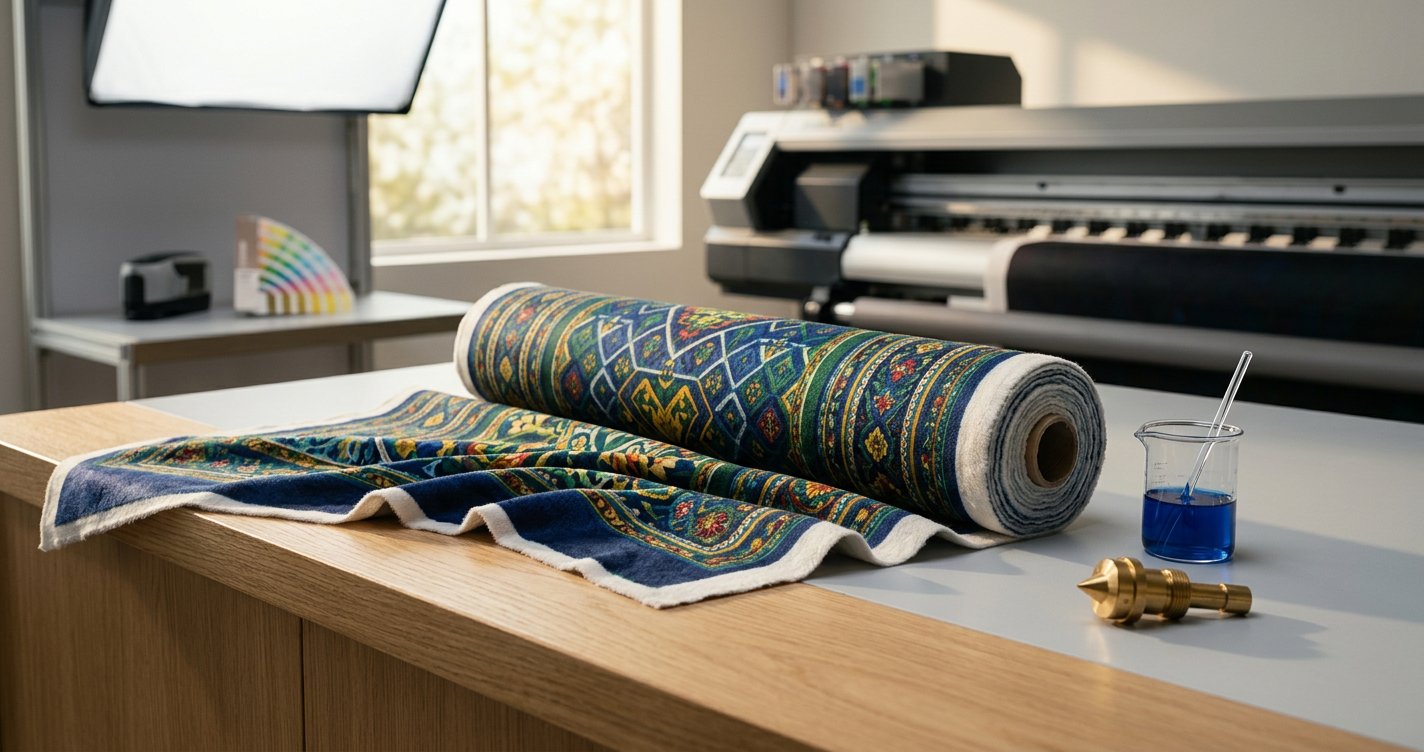
Premium cotton’s purity and fiber density allow it to absorb dyes more evenly. This leads to:
Richer, deeper color shades
Fewer patchy or uneven dye areas
Higher colorfastness
Stronger resistance to fading in sunlight and washing
For brands and designers, this means better aesthetics and more reliable results.
Cleaner, Safer, and More Sustainable Cultivation
Another major cost factor is how premium cotton is grown.
Premium cotton farms tend to use:
More controlled irrigation
Higher-quality seeds
Stricter harvesting standards
Reduced pesticide usage
Better soil and crop rotation management
Organic or sustainably farmed premium cotton costs more to produce, but it results in:
Cleaner raw fibers
Reduced chemical residue
Lower environmental impact
Many consumers now choose premium cotton because it aligns with their values regarding sustainability and health.
Advanced Spinning and Finishing Techniques
Producing premium cotton fabrics involves:
Combing to remove short fibers
Ring spinning for smoother yarn
Mercerization for lustre and strength
Specialized finishing for softness or wrinkle resistance
These processes require more time, technology, and expertise—directly influencing cost but significantly improving fabric performance.
Skin-Friendly and Hypoallergenic Properties
Premium cotton is naturally:
Non-irritating
Breathable
Absorbent
Free of harsh chemicals (especially organic types)
People with sensitive skin or allergies often prefer premium cotton because it minimizes itching, overheating, and discomfort.
Ethical and Traceable Production
Many premium cotton products are certified under systems such as:
OEKO-TEX®
GOTS (for organic cotton)
BCI
Fair Trade Cotton
These certifications guarantee:
Safer working conditions
Ethical sourcing
Environmental protections
Transparent manufacturing
Consumers today are willing to pay extra for ethical and transparent products.
Prestige, Branding, and Consumer Perception
Premium cotton also has a market-driven value.
For many buyers:
It symbolizes quality
It conveys luxury
It signals better craftsmanship
Brands that use premium cotton capitalize on this perception to position their products as superior. While perception alone doesn’t define value, it reinforces the consumer’s willingness to pay more.
Long-Term Value and Cost Efficiency
When comparing premium cotton to regular cotton, the initial cost difference is noticeable—but the long-term value often surprises people.
Premium cotton:
Lasts significantly longer
Needs fewer replacements
Maintains comfort and appearance
Delivers consistent performance over time
This means premium cotton products offer better cost-per-use, making them an investment rather than simply a purchase.
Why Premium Cotton Is Truly Worth the Price
Premium cotton commands a higher price because it delivers higher value across every stage—from the field, to the factory, to the final product in a consumer’s home. Its superior fiber length, enhanced softness, durability, dye performance, skin safety, and sustainability all contribute to its premium status.
In an industry where quality matters deeply, premium cotton stands out as a natural fiber that balances luxury with performance—making it absolutely worth the price for consumers who prioritize comfort, longevity, and responsible production.