Introduction
If you’ve ever walked through a bedding or clothing store, you’ve probably noticed how often “100% cotton” appears on product labels. At first glance, most of them look the same, yet the price differences can be quite large, with some positioned as everyday basics and others clearly labeled as premium.
This naturally raises a question: what really explains the gap? Is premium 100% cotton fabric actually better for everyday use, or is the difference mostly driven by branding and presentation?
The answer matters because the fabrics we use every day—bedsheets, shirts, towels, and loungewear—stay in constant contact with our skin and directly affect comfort, sleep quality, and even skin sensitivity. In the following sections, we’ll look at what truly changes when cotton is classified as “premium,” focusing on fiber structure, weaving methods, durability, and long-term performance.
What is Premium 100% Cotton Fabric?
Understanding the “Cotton” Category
At a basic level, a fabric labeled “100% cotton” contains only cotton fibers—no polyester, nylon, or other synthetic blends. But this label alone tells you almost nothing about how the fabric feels, how long it will last, or how it performs in everyday use.
Two shirts can both say 100% cotton, yet one feels rough while the other feels smooth and premium. The difference usually comes from the cotton type, yarn processing, knit structure, and finishing. Premium 100% cotton fabric refers to cotton textiles produced using higher-grade raw materials and superior manufacturing techniques, often including:
Extra-long staple or long-staple cotton fibers
Combed or compact-spun yarns for strength and smoothness
High thread count (typically 200+ threads per square inch)
Mercerization treatment for luster and dye uptake
Finer yarn counts (such as 100s)
These technical characteristics translate directly into observable differences: hand feel, color retention, resistance to pilling, and behavior after repeated washing. Choosing premium 100% cotton fabric means investing in these measurable attributes.
Haihui Textile Premium Cotton 100 Product Specifications
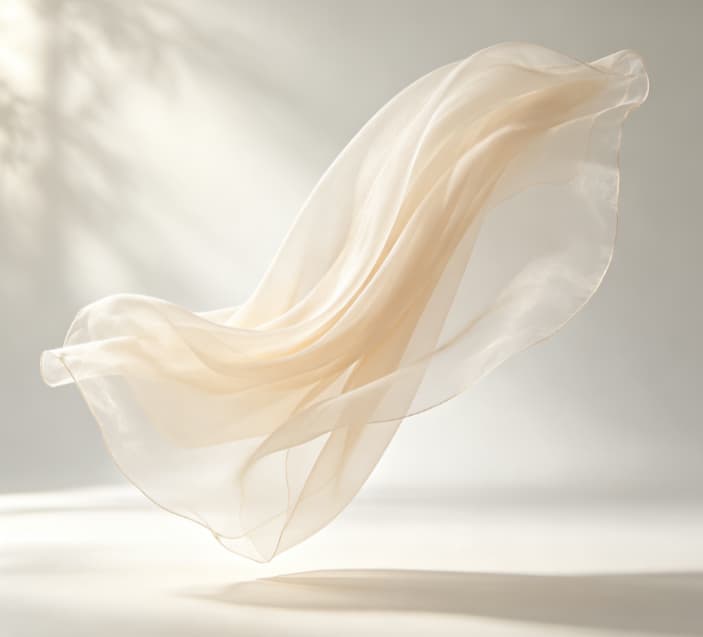
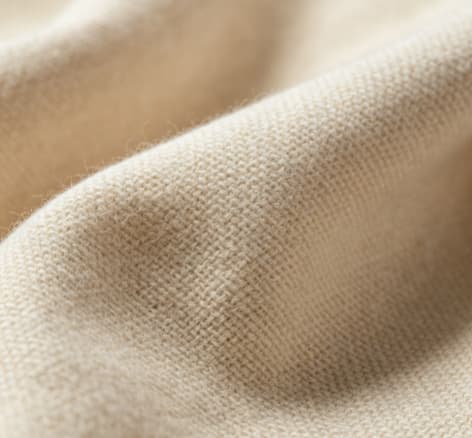
Haihui Textile’s premium 100% cotton fabric is crafted from extra-long staple cotton, with filament-fine yarns that weave a fabric of silky-soft feel and cloud-like touch. The use of extra-long staple cotton means each cotton fiber is longer than standard cotton fibers, which has profound implications for strength, softness, and durability.
The fabric features a high-thread-count weave that lends resilient structure with fluid drape and wrinkle resistance. Enhanced by a mercerization process, it achieves a luminous sheen that endures through seasons. From premium bedding to refined shirts, this premium 100% cotton fabric elevates daily rituals with its sophisticated texture—offering effortless luxury in every thread.
What Makes Cotton “Premium”? — The Determinants of Quality
Not all cotton is created equal. Four interrelated factors determine where a cotton fabric falls on the quality spectrum. Understanding these factors helps you identify genuine premium 100% cotton fabric.
Staple Length — The Most Important Single Factor
The most fundamental distinction between premium and non-premium cotton is staple length—the average length of individual cotton fibers before they are spun into yarn. Standard commodity cotton uses shorter staple fibers, typically around one inch in length. Premium cottons such as Pima, Egyptian, and Supima use extra-long staple (ELS) fibers that can exceed 1.5 inches. Why does this matter? Longer fibers have fewer ends per square inch of fabric. Fewer ends mean a smoother surface, less pilling, and greater tensile strength.
Premium 100% cotton fabric, made from the longest fibers, can be almost as smooth and lustrous as silk. Fabric made using shorter fibers is less durable. In fact, Supima cotton—a premium extra-long staple cotton—is twice as strong as regular cotton, which makes for extraordinarily resilient products. The longer fiber resists pilling, breaking, and tearing. Short staple cotton has more joins, leaving the surface less even, creating a coarser feel and shorter lifespan. This is why premium 100% cotton fabric is prized for longevity.
Yarn Processing — Carded vs. Combed Cotton
Even the same staple length can produce different quality outcomes depending on how the fibers are processed into yarn. Carded yarn passes through a carding machine that separates and aligns fibers but leaves shorter fibers intact. Combed yarn undergoes an additional combing process that removes shorter fibers (up to 15% of the material) and aligns the remaining fibers perfectly parallel.
Due to the elimination of weaker, shorter fibers, combed cotton yarn possesses greater tensile strength and fewer weak spots. The fibers in combed yarn have high parallel straightness, evenness, and smoothness. For the user, combed cotton translates to a smoother texture, reduced pilling, better dye penetration, and longer fabric life. Premium 100% cotton fabric uses combed yarns as a baseline specification—this is non‑negotiable for true premium quality.
Thread Count — More Is Not Always Better
Thread count measures the total number of horizontal and vertical threads in one square inch of fabric. Standard cotton thread counts are around 150, while good-quality sheets start at 180. Generally, 200 to 600 TC stands for high-quality fabric, with 300 to 400 TC proven most comfortable for high-end bedding.
However, thread count can be misleading. Some manufacturers use multi-ply yarns to artificially inflate numbers. A 1,000 thread count sheet made from four-ply yarns may actually have fewer individual fibers per square inch than a 400 thread count sheet made from single-ply, extra-long staple yarns. The rule of thumb: focus on the quality of the yarn—not just the number. Premium 100% cotton fabric achieves its high thread count using fine, single-ply, combed yarns, producing fabric that is both durable and luxuriously soft.
Finishing Treatments — Mercerization and Chemical Processing
Even after weaving, finishing treatments determine final fabric quality. Mercerization is a chemical treatment where cotton fibers or fabrics are treated with sodium hydroxide to permanently impart a greater affinity for dyes and various chemical finishes. The effects are improved lustre, higher ability to absorb dyes, better dimensional stability, higher mechanical properties, and smoothness. Mercerizing also gives cotton cloth increased tensile strength and greater absorptive properties.
Haihui Textile’s premium 100% cotton fabric is enhanced by mercerization, achieving a luminous sheen that endures through seasons. For the consumer, mercerized cotton feels smoother, looks shinier, holds color better wash after wash, and resists shrinkage more effectively than non‑mercerized cotton. This finishing step is a hallmark of genuine premium 100% cotton fabric.
How Premium 100% Cotton Fabric Compares in Everyday Use
Standard 100% cotton provides comfortable wear, but it lacks some crispness, wrinkles easily, and is prone to deformation after washing. Premium 100% cotton fabric addresses each of these weaknesses systematically.
Feel and Comfort — The Immediate Difference
The most noticeable difference between standard and premium 100% cotton fabric is something you can feel in seconds. Premium extra-long staple cotton fabrics feel noticeably smoother against the skin, with fewer rough spots or irregularities. The longer fibers create a more uniform fabric surface.
Haihui’s premium 100% cotton fabric is described as having a cloud-like touch with a silky-soft feel. This characteristic matters greatly for everyday use—whether in a shirt worn all day against your skin, or in bedsheets you sleep on for hours. Lower‑grade cotton can feel coarse, scratchy, or irritating, particularly for sensitive skin.
Breathability and Moisture Management
Cotton overall is a super‑breathable fabric; it is comfortable and not itchy on the skin. However, not all cotton breathes equally. Premium 100% cotton fabric, due to its finer yarns and optimized weaving structures, offers superior ventilation. Tighter twist and finer count cotton fabrics reduce surface contact points, making them less prone to inducing friction and sticky sweat.
Premium cotton’s natural breathability and moisture‑wicking properties deliver non‑clingy comfort for year‑round wear. When you move or sweat, premium 100% cotton fabric pulls moisture away from your skin faster and allows it to evaporate more readily, keeping you dry and comfortable.
Durability and Longevity
Durability is where the gap between standard and premium 100% cotton fabric becomes most apparent. The durability of high‑quality cotton ensures that your bedding or apparel will withstand the test of time. Unlike cheaper materials that may fray, fade, or lose shape after a few washes, premium cotton maintains its integrity and appearance for years.
Because Supima is twice as strong as regular cotton, products made from premium 100% cotton fabric keep their form longer. In practical terms, a premium cotton shirt stays crisp through more wash cycles. Premium cotton sheets resist thinning and developing thin spots where the wearer’s body lies.
Resistance to Pilling and Fading
Pilling occurs on fabric surfaces when short or broken fibers group together and become tangled in tiny knots. Poor quality cotton fibers easily cause pilling; short fiber length is a key contributor. 100% cotton can pill significantly if it uses low‑quality short‑staple fibers, low yarn twist, or a loose knit construction.
Premium 100% cotton fabric, with its extra‑long staple fibers and combed yarn construction, is dramatically more resistant to pilling. Additionally, premium cotton absorbs dye better because of its more uniformly sized, fine fibers, which allow dyes to penetrate fully, resulting in vibrant colors that resist fading over time. This is another reason to choose premium 100% cotton fabric for frequently used items.
Wrinkle Management
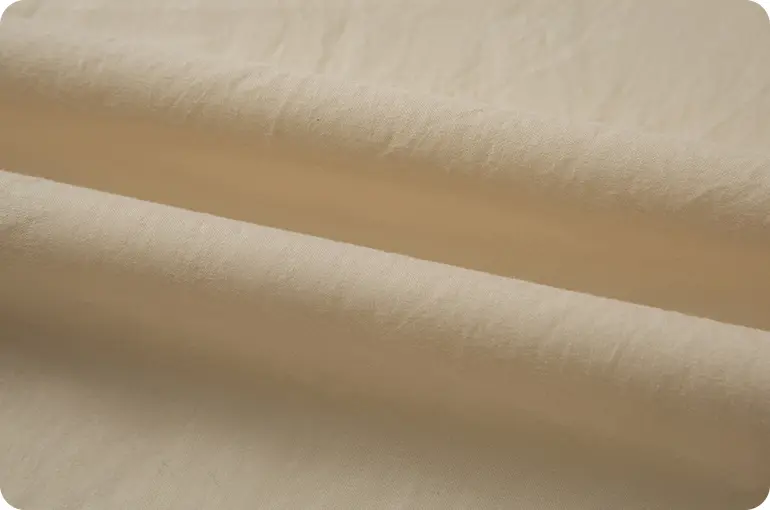
While no cotton is completely wrinkle‑free, premium 100% cotton fabric wrinkles less and recovers better than standard cotton. The high‑thread‑count weave lends resilient structure with fluid drape and wrinkle resistance. The combination of longer fibers and tighter weave means fewer creases after washing, and any wrinkles that do form tend to relax quickly with body heat or light ironing.
Comparison — Premium 100% Cotton vs. Other Common Fabrics
| Parameter | Premium 100% Cotton Fabric | Standard 100% Cotton | Cotton-Polyester Blend | Linen |
|---|---|---|---|---|
| Fiber staple length | Long or extra-long | Short (under 1 inch) | Variable | Long (typically) |
| Yarn processing | Combed | Carded | Combed or carded | N/A |
| Softness | High — smooth, silky | Moderate — can feel rough | Moderate | Low initially, softens |
| Breathability | Excellent | Good | Moderate | Excellent |
| Durability | Very high — 2x strength of standard cotton | Moderate | High | High |
| Pilling resistance | High | Low | Low | Low |
| Wrinkle resistance | Moderate | Poor | Good | Poor |
| Color retention | Excellent — deep, long-lasting | Moderate | Good | Good |
| Environmental factors | Biodegradable, renewable | Biodegradable, renewable | Contains plastic fibers | Biodegradable |
| Price | Higher | Low to moderate | Low to moderate | High |
This table shows that premium 100% cotton fabric occupies the optimal balance point for most everyday users: it delivers superior softness and breathability compared to standard cotton, avoids plastic content, and is more available and affordable than linen for bedding.
Is the Higher Price Worth It for Everyday Use?
Calculating Long-Term Value
The higher upfront cost of premium 100% cotton fabric makes economic sense when you consider lifespan. A set of premium cotton sheets might cost 3–4 times as much as a standard set but last 5–10 times longer. Standard 100% cotton bedsheets can show wear within 1–2 years, while premium 100% cotton fabric sheets often remain in excellent condition for 5 years or more with proper care.
Consider per‑use cost: 730 uses over 2 years for a 50-standard set = 7 cents per use. A 150 premium set over 8 years (2,920 uses) = just over 5 cents per use—and provides superior comfort throughout. Over time, premium 100% cotton fabric is actually more economical.
Health and Skin Sensitivities
For individuals with skin allergies or sensitivities, premium 100% cotton fabric offers meaningful health advantages. Organic cotton, grown without pesticides, is less allergenic than conventional cotton. Premium long‑staple cotton, even when not certified organic, typically uses fewer chemical treatments and finishes than lower‑grade cotton, reducing skin irritation potential. Many dermatologists recommend premium 100% cotton fabric for patients with eczema or contact dermatitis.
Sleep Quality Improvement
The impact of bedding on sleep quality is often underestimated. Premium 100% cotton fabric sheets, with their superior breathability and moisture‑wicking properties, help regulate body temperature throughout the night. Fewer temperature fluctuations mean fewer sleep disruptions. Many users report significantly better sleep quality after switching to premium 100% cotton fabric bedding.
Real-World Application Scenarios
Everyday Bedding for Home Use
For daily sleeping, premium 100% cotton fabric sheets offer the best combination of comfort, durability, and value. The natural breathability prevents night sweats; the durable construction withstands weekly washing; and the natural softness requires no chemical fabric softeners that can irritate skin.
Luxury Hotel and Hospitality
Five‑star hotels almost exclusively use premium 100% cotton fabric linens. The reasons are practical: premium cotton withstands the harsh commercial laundry process—high heat, strong detergents, repeated cycles—far better than standard cotton. It also maintains a crisp, inviting appearance that signals cleanliness and quality to guests.
Apparel — Premium Shirts, Loungewear and More
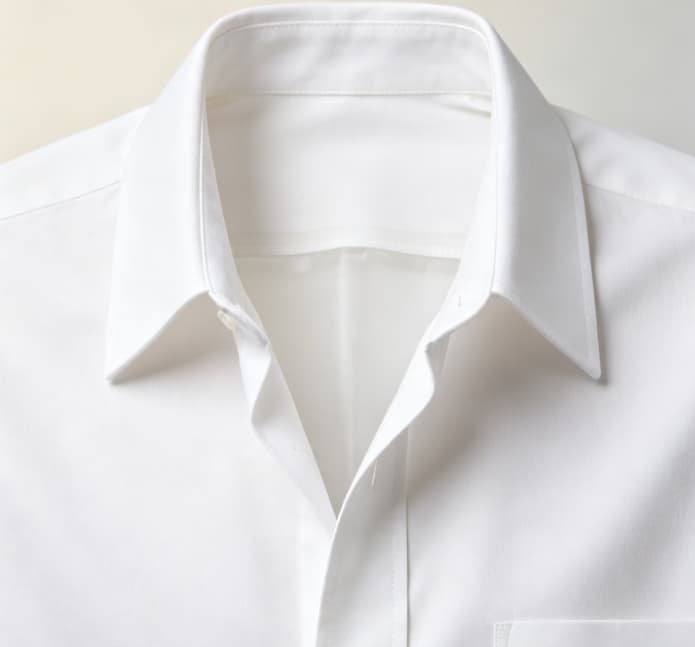
Brands positioning themselves at the higher end of the retail market choose premium 100% cotton fabric because consumers can feel the difference immediately. A premium cotton dress shirt drapes better, feels softer against the skin, and resists looking shabby after a day of wear. Loungewear made from premium 100% cotton fabric provides an elevated “lazy day” experience.
Children’s Bedding and Clothing
For babies and young children with developing skin, premium 100% cotton fabric is the recommended choice. Its lack of irritating chemical residues—combined with exceptional softness—makes it ideal for sensitive young skin. The added durability also withstands the frequent washing required when raising children.
E‑Commerce Brands and Interior Decorators
Online bedding companies that build brand loyalty rely on premium 100% cotton fabric for their core products. The non‑pilling, non‑fading fabric ensures fewer returns and negative reviews based on premature wear. Interior designers specify premium 100% cotton fabric for client projects because it reliably photographs well and retains high‑end visual appeal.
Proper Care and Maintenance for Premium Cotton
To preserve the qualities of premium 100% cotton fabric, proper care is essential.
Washing: Use warm water (30‑40°C) or cold water. Cold water is best for preserving fibers. Avoid hot water, which causes shrinkage and fading.
Detergent: Use a mild, liquid‑based detergent. Harsh detergents can strip natural softness. Avoid fabric softeners—they coat fibers and impair breathability.
Drying: Air dry or tumble dry on low heat. High heat damages cotton fibers and accelerates shrinkage.
Frequency: Wash bedding every 7–10 days to balance cleanliness and softness.
Storage: Store in a cool, dry place away from direct sunlight, which degrades natural fibers over time.
With proper care, premium 100% cotton fabric bedding will last 5–10 years, delivering consistently superior comfort throughout its lifespan.
Sustainability and Environmental Impact
Premium 100% cotton fabric offers significant environmental advantages over synthetic alternatives:
Biodegradability – Cotton decomposes naturally, unlike polyester, which persists for centuries.
Renewable resource – Cotton is grown annually, not extracted from petroleum.
Water efficiency – Organic and premium cotton farming methods typically use more efficient irrigation.
Reduced chemical use – Premium cotton manufacturers often avoid heavy chemical treatments.
Certification labels such as OEKO‑TEX STANDARD 100 verify that premium 100% cotton fabric has been tested for harmful substances and is safe for human health.
FAQ
Q1: What is the difference between regular 100% cotton and premium 100% cotton fabric?
Premium cotton is made from longer staple fibers and uses combed yarn, higher-quality weaving, and often mercerization. These improvements result in a smoother texture, better durability, stronger color retention, and significantly reduced pilling compared to standard cotton.
Q2: Is premium 100% cotton fabric worth it for everyday use?
Yes, especially for daily-use items like bedsheets, towels, and shirts. While the initial cost is higher, the longer lifespan, improved comfort, and better appearance retention make it more cost-effective over time.
Q3: Can you feel the difference between standard and premium 100% cotton fabric?
Absolutely. Premium cotton feels noticeably smoother and softer against the skin, often with a silky touch. Standard cotton, especially after repeated washing, can feel rougher and less consistent in texture.
Q4: Is premium 100% cotton fabric suitable for sensitive skin?
Yes. The longer fibers and smoother surface reduce friction on the skin, making it more comfortable for sensitive users. Organic or certified premium cotton is even more suitable for allergy-prone or delicate skin types.
Q5: How should I care for premium 100% cotton fabric to maintain its quality?
Wash in cold or warm water using mild detergent, and avoid harsh chemicals or fabric softeners. Air drying or low-heat tumble drying is recommended to preserve fiber strength, softness, and long-term durability.
Conclusion: Quality You Can Feel and Measure
The difference between standard and premium 100% cotton fabric is both measurable and noticeable in everyday use. Longer staple fibers, combed yarns, and refined weaving techniques create a softer touch, stronger durability, and better breathability compared to regular cotton.
Although premium cotton costs more upfront, its longer lifespan and slower wear often make it more cost-effective over time. For items that stay in direct contact with the skin, such as bedding and clothing, the comfort difference becomes especially clear with daily use.
Not all “100% cotton” fabrics are the same, and understanding these differences helps you choose based on real performance rather than labels alone.