Introduction
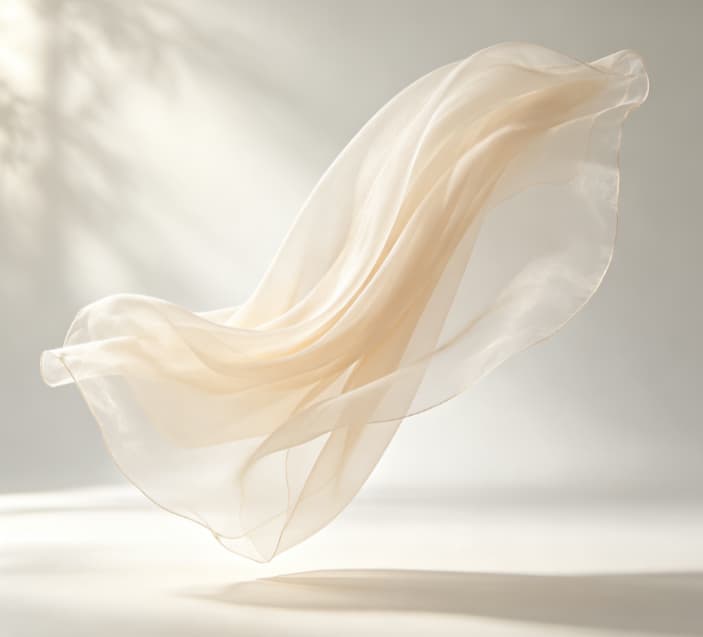
A water soluble liner is widely used because it provides structural support during textile manufacturing and then completely dissolves in water, leaving zero residue behind. Traditional stabilizers like tear-away or cut‑away remain as permanent backing, which compromises fabric drape, adds weight, and requires labor-intensive removal. This material solves all these problems in one move. It disappears without a trace.
This singular advantage—full support during production, complete disappearance afterward—has propelled water soluble liner from a niche embroidery accessory to an essential component across multiple industries.
How It Actually Works—The Science of Disappearing Support
Understanding why this material is so effective starts with its fundamental principle: a temporary substrate that washes away.
The Core Mechanism
A water soluble liner is typically made from PVA (polyvinyl alcohol) or other water-soluble polymers. During embroidery, stitching, or composite layup, the liner acts as a sacrificial scaffold—holding delicate fabrics in place, preventing distortion, and providing a stable base for dense stitching. Once the process is complete, it is dissolved in water (cold, warm, or hot, depending on the formulation). Some variants dissolve at low temperatures (40‑60°C), which is critical for protecting heat-sensitive fabrics like silk and lace.
The result? The final product retains its natural hand, drape, and appearance, with no stiff backing or visible residue. This is physically impossible with traditional stabilizers, which either must be cut away (leaving a permanent edge) or torn away (risking fabric damage). This liner simply disappears.
Oxygen Depletion? No—Full Dissolution
It’s worth distinguishing a water soluble liner from other temporary materials. While some rely on oxygen depletion, this liner relies on molecular dissolution. When immersed, water molecules penetrate the PVA matrix, breaking hydrogen bonds and dispersing the polymer chains. The material literally returns to solution, leaving no fibers, no film, and no adhesive residue behind. This is why it’s the only viable choice for lace, free‑standing embroidery, and technical textiles where any remaining backing would ruin the product.
This liner isn’t just “removable”—it‘s fully eliminable. That distinction makes all the difference in high‑end textile applications.

Water Soluble Liner vs. Traditional Stabilizers—A Side‑by‑Side Comparison
To appreciate why this dissolvable support has become the standard, compare it directly against traditional alternatives.
| Stabilizer Type | Méthode de suppression | Residue Left Behind | Best For | Drawbacks |
|---|---|---|---|---|
| Water Soluble Liner | Dissolves completely in water | None—zero residue | Lace, freestanding embroidery, sheer fabrics, medical textiles, automotive composites | Requires water access; slightly higher material cost |
| Tear‑Away Stabilizer | Manually torn away after stitching | A small fringe or rough edge can distort delicate fabrics | Medium‑weight woven fabrics like cotton, poplin, and denim | Leaves visible edge; can’t be used on sheer or lightweight fabrics |
| Cut‑Away Stabilizer | Trimmed with scissors, remains permanently | Entire stabilizer stays behind (though trimmed) | Stretch fabrics, knits, and heavy embroidery that require ongoing support | Adds weight and stiffness; visible through lightweight fabrics |
| Heat‑Removable Stabilizer | Removed with heat (iron or heat gun) | None, but requires careful temperature control | Heat‑stable fabrics only | Can damage heat‑sensitive materials; less common |
This liner is the only option that offers full support during production and absolute zero residue afterward. For high‑value projects where the final product must be completely free of backing material—lace, embroidered patches, medical gowns, automotive interior trim—it is not just the best choice; it’s the only viable choice.
Key Applications Driving Adoption
This material has moved far beyond home embroidery. Here’s where it’s making the biggest impact.
Embroidery and Lace Making (The Original Use Case)
This is where water soluble liner first gained prominence—and where it remains indispensable. Freestanding lace designs are specially digitized for this product. After stitching, the stabilizer is removed, and beautiful lace remains with no backing. Nothing else can achieve this result.
For machine embroidery, it can be used as both backing (under the fabric) and topping (over the fabric). As a topping, it prevents stitches from sinking into pile fabrics like towels and fleece, keeping lettering crisp and details sharp. One industry practice: use two layers of fabric‑type water soluble liner for most free‑standing lace designs, ensuring sufficient stability during high‑density stitching.
Technical Textiles and Medical Applications
PVA‑based water soluble liner is used in medical surgery gowns and other healthcare textiles where disposability and hygiene are paramount. The material serves as a temporary carrier during manufacturing, then washes away—leaving only the medical‑grade fabric behind.
Automotive Composites
While less commonly discussed, water‑soluble materials are appearing in automotive applications. Patents describe such liners used in synthetic casting tapes and composite manufacturing, where the liner provides shape and support during layup and then dissolves, leaving a clean composite part.
Embroidery Digitizing for Complex Designs
A water soluble liner enables embroidery designs that would be impossible with permanent stabilizers. Complex 3D appliqué, cutwork, shadow work, and thread sketching all rely on the liner‘s temporary support and complete removability. Badgemaster® 80‑micron material, for example, is a heavyweight option that dissolves completely in warm water—perfect for badges, heirloom embroidery, and cutwork.
Material Composition—What Makes It Soluble?
Not all water soluble liner products are identical. Understanding the material science helps you choose the right one.
PVA (Polyvinyl Alcohol) — The Industry Standard
The vast majority of these liners are made from PVA, a synthetic polymer that dissolves readily in water but remains stable during dry storage and handling. PVA‑based water soluble liner offers excellent tensile strength during stitching, resists tearing, and dissolves completely without leaving microplastic residue.
Manufacturing Process
A high‑quality water soluble liner is produced by extruding an aqueous solution of water‑soluble resin (or melting the resin), stretching the extruded material into fine fibers using high‑speed gas flow, heating the fibers to evaporate water, and then collecting them into non‑woven fabric. The resulting non‑woven liner has fine fiber diameters (often below 30 microns) and controlled basis weight (typically 5 to 500 g/m²).
Low Formaldehyde—An Environmental Assurance
For applications where safety is critical (medical textiles, children‘s apparel, food‑contact manufacturing), it’s essential to choose a product with verified low formaldehyde content. Industry standards set formaldehyde levels below 25 PPM for compliance with global safety regulations.
S‑Line.S water soluble liner meets this standard, ensuring safe use across sensitive applications. Always verify the technical data sheet for your specific product.
Water Temperature Matters
Different formulations dissolve at different temperatures: cold‑water soluble variants dissolve in room‑temperature water, warm‑water soluble variants require 40‑60°C (protects delicate fabrics), and hot‑water soluble variants need higher temperatures (used for industrial processes). For delicate fabrics like silk and lace, low‑temperature soluble variants are critical.
Real‑World User Scenarios—Who Needs This Material?
This product serves very different users across distinct contexts.
The Professional Embroiderer
You run an embroidery business producing custom patches, lace, and freestanding designs. Your customers expect a professional finish with no visible backing. A water soluble liner lets you create patches that are soft, flexible, and indistinguishable from the fabric itself. One embroidery professional reported using this liner extensively for lace and freestanding pieces—the only way to achieve true no‑backing results.
The Medical Textile Manufacturer
You produce disposable surgical gowns that require a temporary carrier during automated cutting and folding. The carrier must hold its shape through high‑speed manufacturing, then dissolve completely during the first wash cycle—leaving zero contaminants on the finished gown. The liner‘s low formaldehyde content (<25 PPM) meets medical safety standards.
The Lace Designer
You create intricate, freestanding lace designs that exist only as stitched thread, with no fabric base. Without a water soluble liner, these designs would collapse during stitching. After embroidery, you submerge the piece in warm water—the liner dissolves, and only the lace remains. This is literally impossible with any other stabilizer type.
The Quilter Doing Thread Sketching
You want to add detailed thread sketching to a quilt top without leaving a stiff backing behind. Hoop the fabric with this liner, stitch your design, then rinse. The material disappears, leaving only the thread art on soft, drapable fabric. Traditional stabilizers would permanently stiffen the quilt.
Environmental and Safety Considerations
As sustainability concerns grow, the industry has responded with improved environmental profiles.
Biodegradability
PVA‑based water soluble liner is water‑soluble and biodegradable under appropriate conditions. Unlike plastic‑based tear‑away stabilizers that persist in landfills, this liner returns to the water system and breaks down naturally. The global water‑soluble polymers market, which includes these materials, is projected to reach USD 65‑72 billion by 2033‑2034, growing at a CAGR of 5.5‑6.7%—driven in large part by demand for sustainable textile solutions.
Low Formaldehyde Compliance
The best products maintain formaldehyde content below 25 PPM, meeting strict international safety standards. This is particularly important for applications involving direct skin contact or food‑adjacent manufacturing.
No Microplastic Pollution
When a water soluble liner dissolves, it breaks down into molecular components, not microplastic particles. This distinguishes it from many synthetic stabilizers that shed microplastics during removal.
Water Soluble Liner vs. Water Soluble Film—Know the Difference
The market offers two distinct product categories: water soluble liner (non‑woven fabric) and water soluble film (solid sheet). Choose the right one for your application.
Water soluble liner (non‑woven) — Has a fabric‑like texture, feels soft and fibrous, provides excellent thread grip and stitch hold, dissolves completely but may leave slight fiber residue in hard water, ideal for embroidery backing, lace, patches, and freestanding designs.
Water soluble film (solid sheet) — Is transparent and plastic‑like (e.g., Sulky Ultra Solvy), provides very high clarity for precise placement, dissolves completely with zero residue, can be slippery during hooping, ideal for topping (over fabric), precise pattern placement, cutwork, and 3D appliqué.
For lace and freestanding embroidery, many professionals use either two layers of fabric‑type water soluble liner or one layer of film‑type, depending on density. For dense, high‑stitch‑count designs, a fabric‑type liner provides better stability and thread hold.
FAQ
Q1: Can I use a water soluble liner on any fabric?
Yes, it is compatible with most fabrics, but testing is recommended before full production. For more delicate materials such as silk, low-temperature dissolving variants are preferred to avoid distortion. A small sample test helps ensure stable results in actual production conditions.
Q2: How long does it take for a water soluble liner to dissolve?
Dissolution time usually ranges from 5 to 20 minutes depending on water temperature, thickness, and movement. Warm water (around 40–60°C) generally speeds up the process compared to cold water. Continuous soaking and gentle agitation help achieve more consistent dissolving results.
Q3: Does a water soluble liner leave any residue after dissolving?
High-quality water soluble liner products are designed to dissolve completely without residue. However, lower-grade materials may leave a slight film, especially in hard water conditions or when rinsing is insufficient. Proper rinsing and correct processing conditions help ensure a clean finish.
Q4: Can I use it as both backing AND topping?
Yes. A water soluble liner can be applied both underneath the fabric as a backing layer and on top as a topping layer. This dual application improves stitch stability and definition, especially on textured fabrics such as towels, fleece, and terry cloth.
Q5: How do I store a water soluble liner?
Store it in a dry, sealed environment away from humidity and direct moisture exposure. Since a water soluble liner reacts easily to water, it should always be kept in airtight packaging or containers and handled in low-humidity conditions to maintain performance quality.
The Clear Choice for Dissolvable Support
A water soluble liner is not just another stabilizing material—it is designed to provide reliable support during production and then completely dissolve afterward, leaving no residue, no stiffness, and no compromise in the final result. This makes it suitable for a wide range of applications, including freestanding lace, decorative textile elements, technical fabric components, and composite material processing.
Whether you are a textile manufacturer, a production technician, or a creative user exploring advanced fabric techniques, a water soluble liner enables results that are difficult to achieve with conventional support materials. Its function is simple, but its impact on workflow and finishing quality is significant.
The principle is straightforward. The performance speaks for itself.
Ready to upgrade your textile process?
Explore our S-Line.S water soluble liner series, designed with:
- Low formaldehyde content for safer production environments
- Multiple solubility options to match different processing needs
- Stable and consistent performance across industrial applications
A material designed to support your process—and disappear when it’s no longer needed.