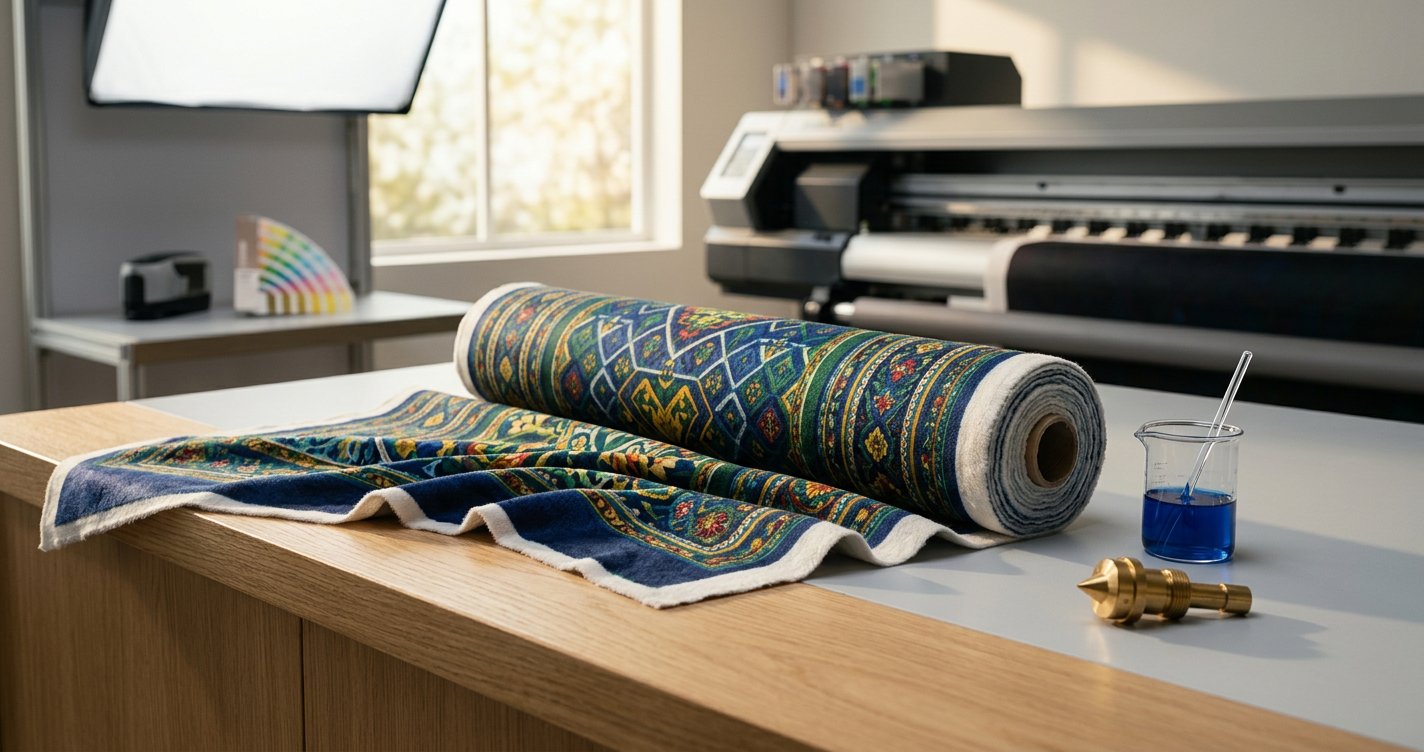
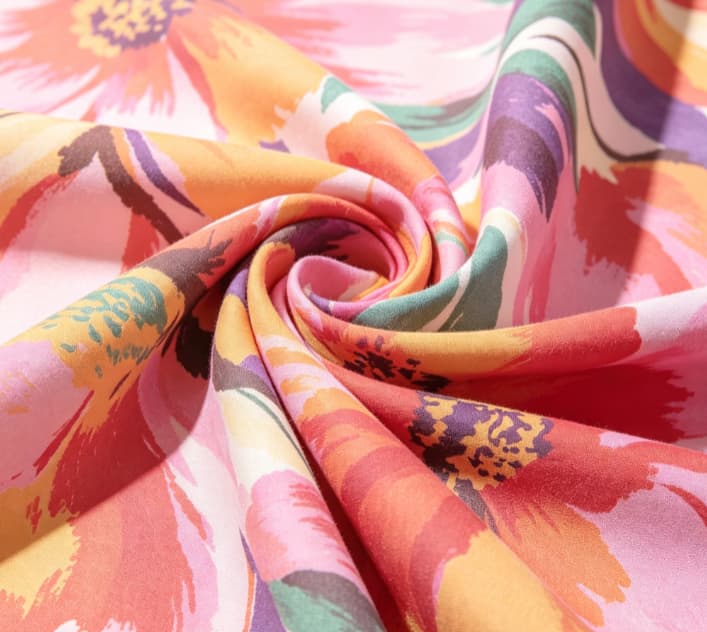
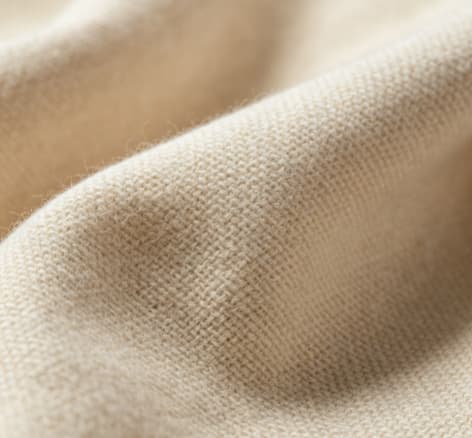
Printed fabric is no longer just a decorative choice; it has become a central component of modern textile design and production. Across fashion, home interiors, and technical textiles, printed patterns shape a product’s character while influencing performance, usability, and consumer perception. From bold graphics on apparel to subtle motifs on upholstery, printed fabric plays a role in combining aesthetics, innovation, and functionality.
Historically, printed fabrics were primarily a medium for artistry. Artisans applied hand-block, screen, or stencil techniques to cotton, silk, and linen to create distinctive visuals. Modern manufacturing has elevated this practice, integrating technology with creative expression. Today, digital printing, sublimation, and other advanced methods allow for detailed, high-volume production without compromising precision or color fidelity. For brands and designers, printed fabric represents both a creative and strategic tool that communicates identity, trend awareness, and practical performance in a single product.
Printed fabric is also a key medium for bridging artistic vision with material science. Designers must consider fiber type, print method, and environmental exposure to ensure durability, comfort, and colorfastness. Each print is an intersection of art and engineering, shaping the fabric’s texture, weight, flexibility, and long-term usability. Understanding these interactions allows manufacturers to deliver textiles that meet the dual demands of aesthetics and function.
Printed Fabric in Fashion and Apparel
In fashion, printed fabric is far more than a visual accessory; it defines style, seasonal trends, and brand identity. Designers use prints to communicate mood, narrative, or cultural references, allowing clothing to convey meaning beyond silhouette and cut. Printed patterns provide differentiation in a highly competitive market, ensuring that garments stand out on shelves, online stores, or runways.
Key benefits of printed fabric in apparel include:
Visual differentiation: Patterns and motifs help garments attract consumer attention and establish a unique look.
Brand storytelling: Signature prints, logos, and recurring motifs reinforce brand identity and create recognizable collections.
Seasonal adaptability: Designers can update color palettes and pattern arrangements to reflect seasonal trends without changing base fabrics.
Cost efficiency: Printed effects can achieve complex textures and imagery without additional trims or labor-intensive processes.
Performance is as important as appearance. Quality printed fabrics retain flexibility, breathability, and comfort. Sublimation printing, for instance, embeds color into polyester fibers, preserving moisture-wicking and stretch properties. Screen printing or pigment-based methods can add subtle texture or surface weight to enhance garment drape and hand feel.
Printed fabrics also influence sustainability. Digital and water-based printing techniques reduce water consumption and minimize chemical waste compared to traditional methods, providing brands with both functional and environmental advantages. This combination of creativity, practicality, and eco-conscious production underscores why printed fabric is integral to contemporary fashion.
Printed Fabric in Home Textiles and Interior Design
Beyond apparel, printed fabrics shape the ambiance and style of interiors. Curtains, upholstery, cushions, bed linens, and decorative panels all rely on prints to convey color, pattern, and visual hierarchy. The right printed fabric can define a room, complement architecture, or highlight focal points in interior layouts.
Printed fabrics provide multiple advantages in interior applications:
Customization: Rooms can be tailored to specific color schemes, textures, or design themes.
Spatial perception: Large-scale prints can visually expand or contract room dimensions, adding depth or intimacy.
Functional cues: Printed motifs can guide use, such as delineating areas in multifunctional spaces or highlighting furniture edges.
Durability integration: Protective coatings and printing methods ensure fabrics maintain aesthetic quality under daily wear and exposure to light.
High-performance printed fabrics for interiors combine decorative appeal with functional durability. Techniques such as pigment printing with UV stabilization, reactive dyeing on cotton, or heat-transfer methods on synthetics ensure vibrant colors and long-lasting patterns. These fabrics not only enhance visual appeal but also meet functional requirements like fade resistance, abrasion tolerance, and easy maintenance.
Key Printing Methods and Their Impact on Fabric Performance
Not all printed fabrics behave the same. Printing techniques directly influence the visual effect, texture, and usability of the final product. Common methods include:
Screen Printing: Traditional and versatile; suitable for bold patterns, textured surfaces, and repeat motifs.
Digital Printing: Allows high-resolution, complex designs; ideal for short runs or customized production.
Sublimation Printing: Infuses dye into synthetic fibers, maintaining flexibility and moisture management.
Rotary / Roller Printing: Efficient for large-scale, repeated designs; often used in home textiles and apparel basics.
The choice of fiber affects print behavior. Cotton absorbs dyes differently than polyester or nylon, impacting vibrancy, washfastness, and fabric hand. Blended knits or stretch fabrics require careful ink selection to maintain elasticity and softness. Proper alignment of fiber, print method, and end-use ensures the printed fabric meets both visual and functional expectations.
Color, Pattern, and Functional Integration
Printed fabrics offer more than decorative appeal. Color, density, and placement influence not only aesthetics but also usability, comfort, and longevity.
Colorfastness ensures prints retain vibrancy across washes, sunlight exposure, and regular wear.
Pattern density affects drape, hand feel, and breathability; heavy ink layers may stiffen lightweight fabrics.
Strategic placement enhances ergonomics, hides wear-prone areas, or emphasizes design features.
Functional coatings integrate with prints for water resistance, UV protection, or antimicrobial properties.
This combination of decorative and functional features allows printed fabric to excel in sportswear, outdoor gear, and technical textiles. Prints can highlight ventilation zones, reflective panels, or ergonomic sections while maintaining a cohesive visual identity.

Sample Printed Fabric Applications by Type
| Tipo de tejido | Printing Method | Typical Application | Performance Notes |
|---|---|---|---|
| Cotton | Reactive Dye | T-shirts, bedding | Soft feel, colorfast, comfortable |
| Polyester | Sublimation | Sportswear, flags | Retains stretch, moisture-wicking |
| Lino | Screen | Curtains, decorative fabric | Textured surface, high opacity |
| Blended Knit | Digital | Activewear, casual wear | Custom motifs maintain elasticity |
| Canvas | Pigment | Bags, upholstery | Durable surface, weather-resistant |
| Nylon / Ripstop | Heat Transfer | Outdoor gear, jackets | Abrasion-resistant, lightweight |
This table demonstrates how material choice, print method, and intended use combine to define printed fabric performance. Manufacturers can match fabrics to design goals, environmental demands, and functional requirements for optimal results.
Challenges and Considerations in Printed Fabric Selection
Working with printed fabrics presents unique challenges. Manufacturers and designers must account for:
Batch color consistency: Maintaining uniform color across production runs is crucial, particularly for natural fibers and blended fabrics.
Print durability under stress: Frequent washing, abrasion, and exposure to sunlight can degrade patterns without appropriate treatment.
Compatibility with finishes: Coatings for water resistance, flame retardancy, or anti-microbial properties may affect print vibrancy.
Sustainability considerations: Water-based inks, low-impact dyes, and digital printing minimize environmental impact while maintaining print quality.
Careful planning ensures that printed fabrics deliver on aesthetic and functional promises. Balancing creativity, performance, and environmental responsibility allows manufacturers to produce textiles that satisfy both consumer expectations and industry standards.
Printed Fabric as a Strategic Material Choice
Printed fabric represents a convergence of design, function, and strategy. It allows brands to differentiate products, reinforce identity, and integrate performance features directly into the textile. By selecting appropriate fiber types, printing techniques, and pattern designs, manufacturers can create products that are visually compelling, functionally reliable, and market-ready.
Trends in sustainable inks, digital customization, and smart textiles expand the potential of printed fabrics even further. Designers can respond quickly to market shifts, create limited editions, and develop multifunctional textiles without compromising quality. In this way, printed fabrics bridge artistry with industrial efficiency, making them indispensable in modern textile design and manufacturing.