The word “premium” travels easily in the textile world. It appears on product tags, wholesale catalogs, sourcing platforms, and marketing brochures. Yet in modern textile manufacturing, the term only has meaning when it can be traced back to measurable fiber characteristics and controlled production systems. Coton de qualité supérieure is not a mood, not a color palette, and not a price tier. It is a technical outcome.
In global textile supply chains, cotton quality is no longer judged by appearance alone. Laboratories measure fiber length, strength, uniformity, maturity, and micronaire. Spinning mills monitor yarn evenness and twist balance. Weaving facilities track density, stability, and shrinkage. When these variables align under controlled conditions, the result can legitimately be called Premium Cotton. When they do not, the label is simply decoration.
Modern manufacturing has raised the bar. Automated ginning, high-speed ring spinning, compact spinning systems, and digital fabric inspection all make it possible to produce consistent high-grade cotton textiles at scale. At the same time, this technological sophistication exposes exaggeration. If the fiber base is weak, no finishing process can permanently transform it into Premium Cotton. The foundation always reveals itself over time—through pilling, breakage, color fading, or structural distortion.
To define true Premium Cotton, we need to move systematically from fiber origin to finished fabric performance. Every stage matters.
Fiber Length: The Structural Core of Premium Cotton
Fiber length, often referred to as staple length, forms the structural backbone of any cotton yarn. Long-staple fibers interlock more effectively during spinning. They create smoother yarn surfaces, fewer protruding ends, and stronger tensile integrity. Short fibers, by contrast, produce more uneven yarns, more hairiness, and greater susceptibility to abrasion.
Among globally recognized long-staple varieties, Egyptian cotton et Pima cotton are frequently referenced because of their naturally extended fiber length and superior strength potential. However, the name alone does not guarantee Premium Cotton. Fiber classification must still pass objective testing standards.
In practical manufacturing terms, longer fibers allow mills to spin finer yarn counts without sacrificing strength. Finer yarns lead to lighter, smoother fabrics with enhanced drape and breathability. They also reduce breakage rates during weaving. This translates into production efficiency and structural stability in the finished fabric.
When evaluating Premium Cotton, staple length is not a minor specification—it is the primary determinant of whether high-performance yarn engineering is even possible.
Fiber Strength and Maturity: Durability Beyond Surface Feel
Strength determines how a cotton fiber behaves under stress. During spinning, fibers undergo mechanical tension. During weaving, yarns are pulled repeatedly across looms. During consumer use, fabrics endure friction, laundering, and stretching. Weak fibers fail early.
Premium Cotton requires above-average tensile strength. Strong fibers reduce yarn breakage during production and improve resistance to tearing in finished textiles. Over time, this results in garments and bedding that maintain integrity after repeated washing cycles.
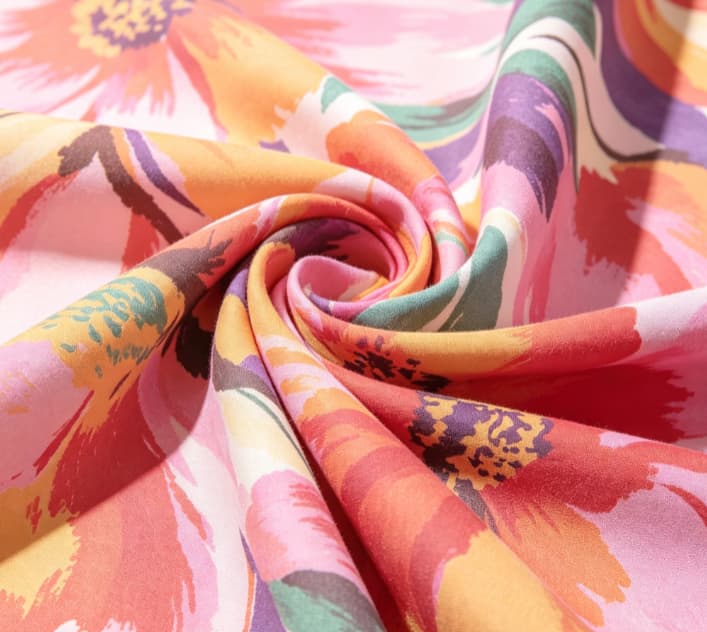
Fiber maturity is equally significant. Mature fibers absorb dye more evenly, resulting in consistent coloration. Immature fibers tend to create uneven dye uptake, leading to blotchy surfaces or fading. In high-end textile applications, dye uniformity is not cosmetic; it signals structural consistency at the microscopic level.
Durability is not an abstract promise. It is embedded in fiber strength and maturity metrics long before a product reaches a store shelf.
Micronaire: The Balance Between Fineness and Maturity
Micronaire is a combined measurement of fiber fineness and maturity. It reflects how thick or thin individual cotton fibers are, and whether they have developed properly during growth. Both extremes can cause problems.
Fibers with excessively low micronaire values may be too thin and immature, leading to weak yarn and uneven dye absorption. Excessively high micronaire values can produce coarse textures and reduced flexibility. Premium Cotton typically falls within an optimal micronaire range that balances softness with structural reliability.
Modern textile laboratories use standardized airflow instruments to determine micronaire values. These measurements guide purchasing decisions for mills seeking consistent raw material input. Without controlled micronaire levels, even long-staple cotton can produce unpredictable fabric results.
Spinning Technology: Where Raw Fiber Becomes Structured Yarn
Fiber quality alone does not guarantee Premium Cotton. Spinning technology determines whether the fiber’s potential is fully realized.
Combing is a crucial step in premium yarn production. Unlike carding, which simply aligns fibers, combing removes short fibers and residual impurities. The result is a cleaner, more uniform sliver that can be spun into smoother yarn. Combed cotton yarns exhibit lower hairiness, improved strength, and enhanced surface refinement. True Premium Cotton textiles almost always rely on combed yarn.
Yarn count also plays a defining role. Higher yarn counts indicate finer threads. However, a high count alone is meaningless if the fiber strength is insufficient. Premium Cotton fabrics balance yarn count with fiber integrity, ensuring that fineness does not compromise durability.
Twist balance further influences performance. Too much twist creates stiffness; too little reduces strength. Precision-controlled twist ratios help maintain softness without sacrificing structural stability.
In modern spinning mills, computerized systems monitor yarn evenness in real time. Variations trigger adjustments immediately. This level of control is part of what differentiates industrial-scale Premium Cotton manufacturing from lower-tier operations.
Fabric Construction: Density, Stability, and Surface Integrity
After spinning, yarn enters weaving or knitting. Fabric construction amplifies or diminishes yarn quality.
High-density weaving improves durability and reduces transparency. However, density must align with yarn characteristics. Overly tight construction can create stiffness; insufficient density reduces longevity. Premium Cotton fabrics achieve balance through calculated thread counts and optimized loom tension.
Different weave structures also influence performance. Plain weaves emphasize durability and breathability. Twill weaves offer flexibility and wrinkle resistance. Satin weaves enhance smoothness and luster. Premium Cotton adapts to application demands while preserving fiber integrity.
Dimensional stability is another marker of quality. Fabrics must maintain shape after laundering. Controlled pre-shrinking processes reduce post-purchase distortion. Premium Cotton production integrates shrinkage control as a standard procedure rather than an afterthought.
Finishing Processes: Enhancing Without Masking
Finishing treatments refine texture and performance, but they cannot compensate for inferior fiber.
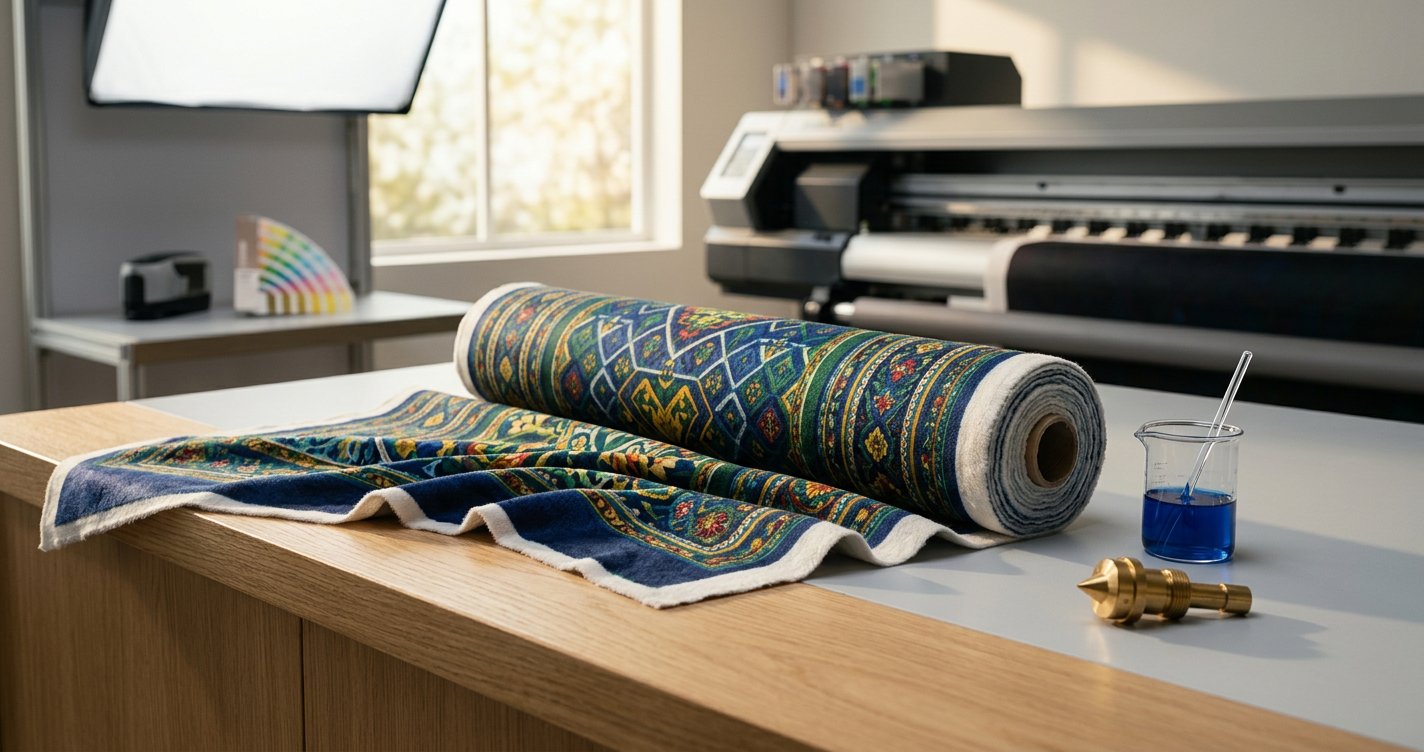
Mercerization, a treatment involving controlled tension and alkali exposure, increases luster and dye affinity. It also enhances strength. When applied to high-grade cotton, mercerization produces a silk-like sheen while maintaining breathability.
Enzyme washing removes surface fuzz and softens the hand feel. Proper enzyme treatment reduces pilling potential. In Premium Cotton textiles, finishing enhances natural fiber advantages rather than concealing structural flaws.
Pre-shrinking and heat-setting stabilize fabric dimensions. These processes are especially important in bedding and apparel applications where a consistent fit matters.
Finishing should never be mistaken for quality creation. It is quality refinement.
Quality Control Systems in Modern Textile Manufacturing
True Premium Cotton production depends on systematic testing at every stage.
Fiber batches undergo classification before entering spinning lines. Yarn uniformity is monitored electronically. Fabric inspection systems detect weaving defects using optical scanning technology. Finished goods are tested for tensile strength, color fastness, shrinkage rate, and pilling resistance.
Consistency across production batches defines premium manufacturing. A single high-quality roll of fabric does not establish reliability. Premium Cotton suppliers maintain reproducibility over thousands of meters.
Traceability is increasingly integrated into textile supply chains. Digital documentation tracks fiber origin, processing parameters, and testing outcomes. This transparency supports buyer confidence and long-term sourcing partnerships.
Application Performance: Where Premium Cotton Proves Itself
The ultimate definition of Premium Cotton lies in performance under real conditions.
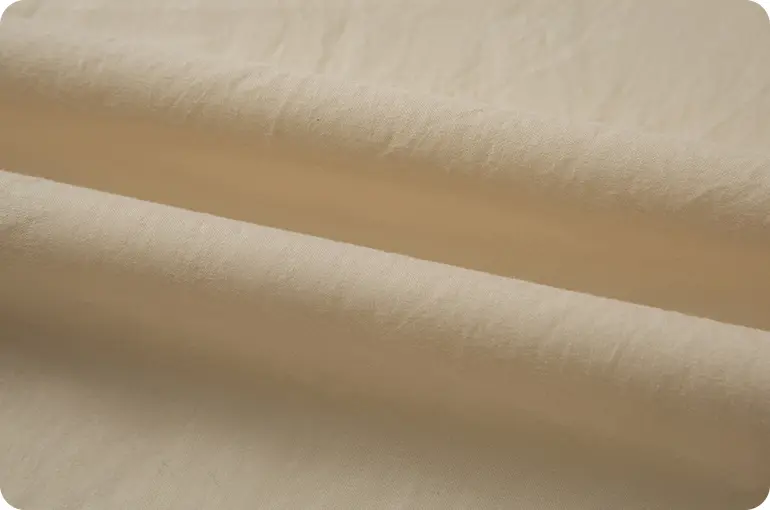
In high-end bedding, superior cotton maintains softness after repeated laundering. It resists thinning and retains color clarity. Breathability supports thermal regulation, enhancing comfort across seasons.
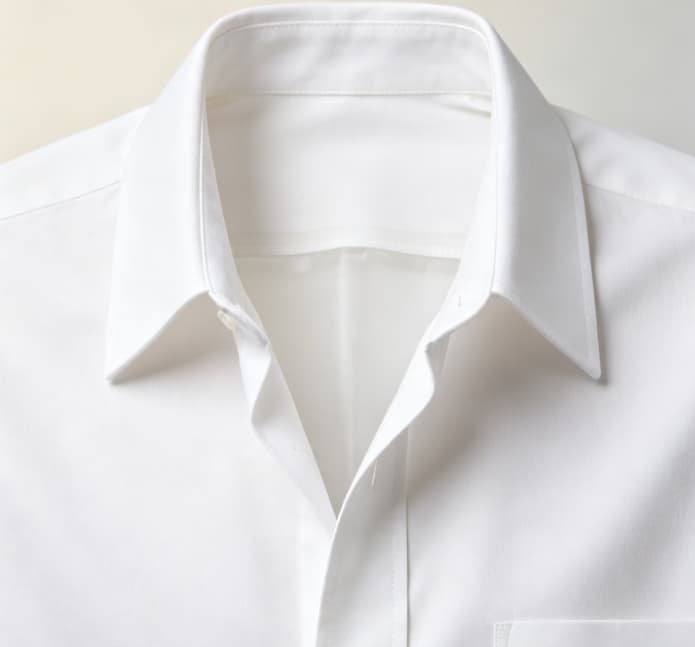
In apparel, Premium Cotton delivers structural resilience. Collars retain shape. Seams resist distortion. Fabric drapes naturally without losing integrity.
In hospitality environments, where linens endure frequent washing at elevated temperatures, durability becomes measurable in lifecycle cost. Premium Cotton reduces replacement frequency and maintains aesthetic standards.
Performance confirms the definition.
Identifying True Premium Cotton as a Buyer
Marketing claims alone are insufficient. Buyers seeking Premium Cotton should evaluate tangible indicators:
Verify staple length classification and fiber origin documentation.
Confirm whether the yarn is combed and specify the yarn count relative to the fiber grade.
Request laboratory testing data for strength, micronaire, and shrinkage performance.
Assess fabric density and finishing consistency across production samples.
These criteria shift the conversation from branding to specification.
Premium Cotton as a Manufacturing System
Premium Cotton is not defined by a single metric. It is the result of coordinated variables: fiber length, strength, maturity, micronaire balance, combed spinning, controlled twist, optimized weaving density, precise finishing, and rigorous quality control.
Modern textile manufacturing makes it possible to engineer this system consistently. It also makes superficial labeling easier to detect. Over time, structural truth reveals itself through performance.
When evaluated technically, Premium Cotton represents a measurable standard rather than an aspirational adjective. It is the outcome of disciplined material selection and controlled industrial execution. In a marketplace saturated with descriptive language, measurable quality remains the most reliable definition.